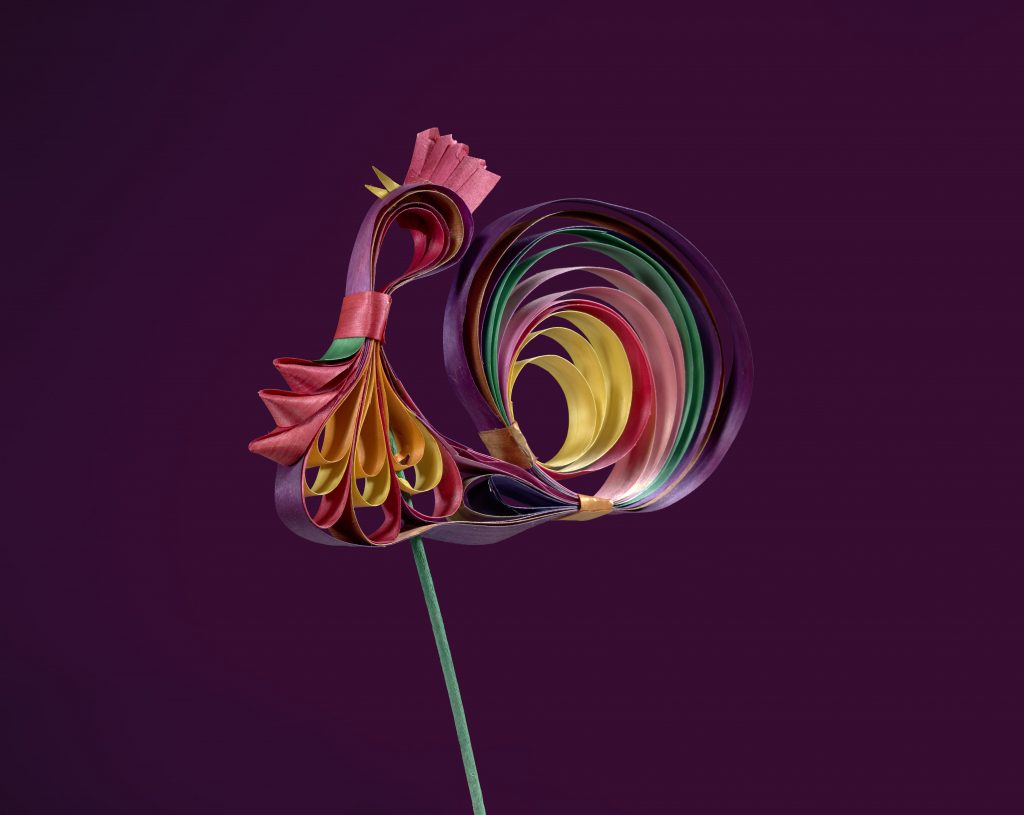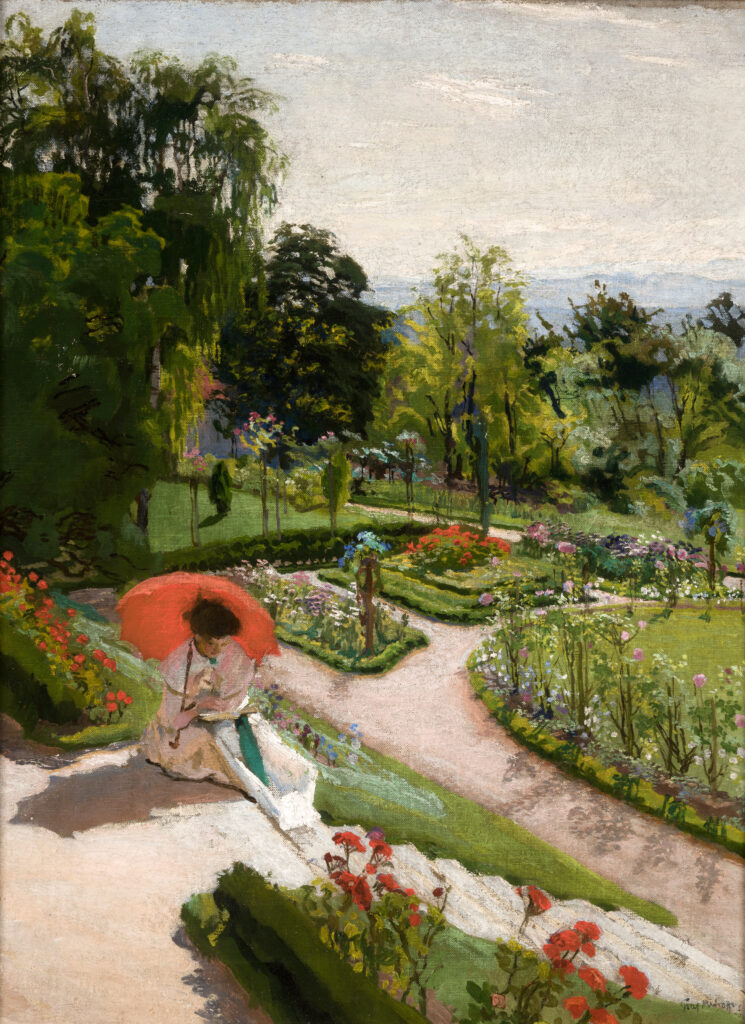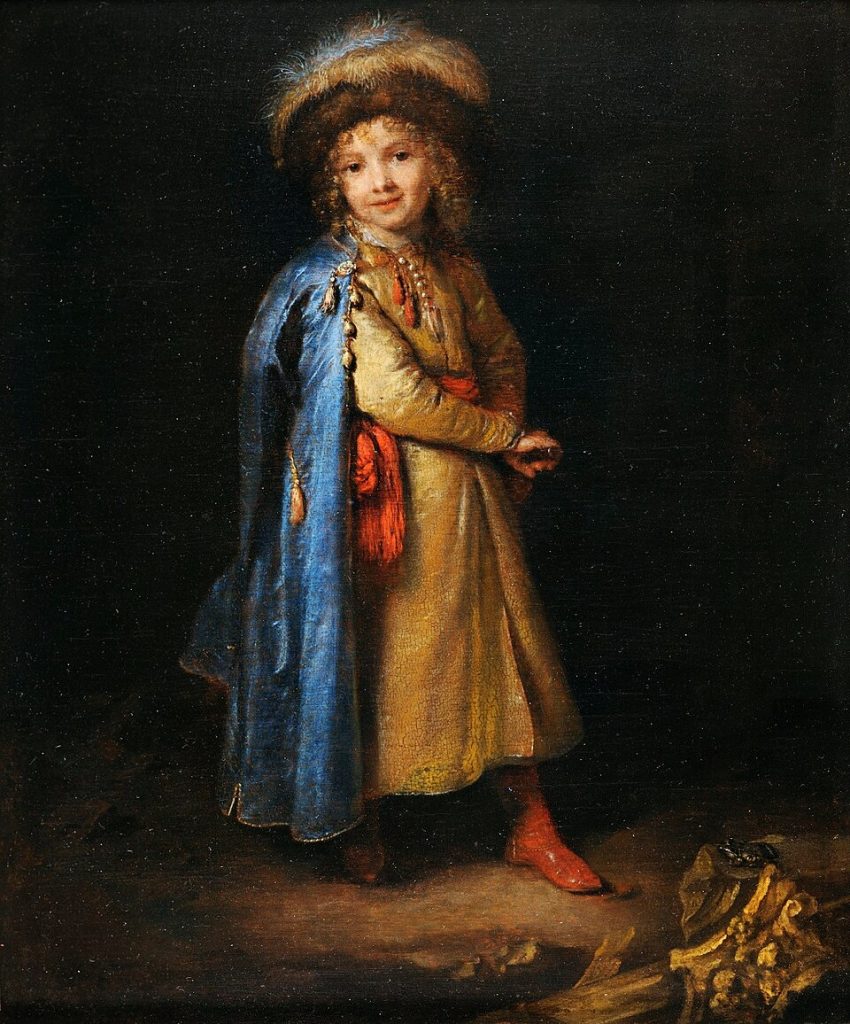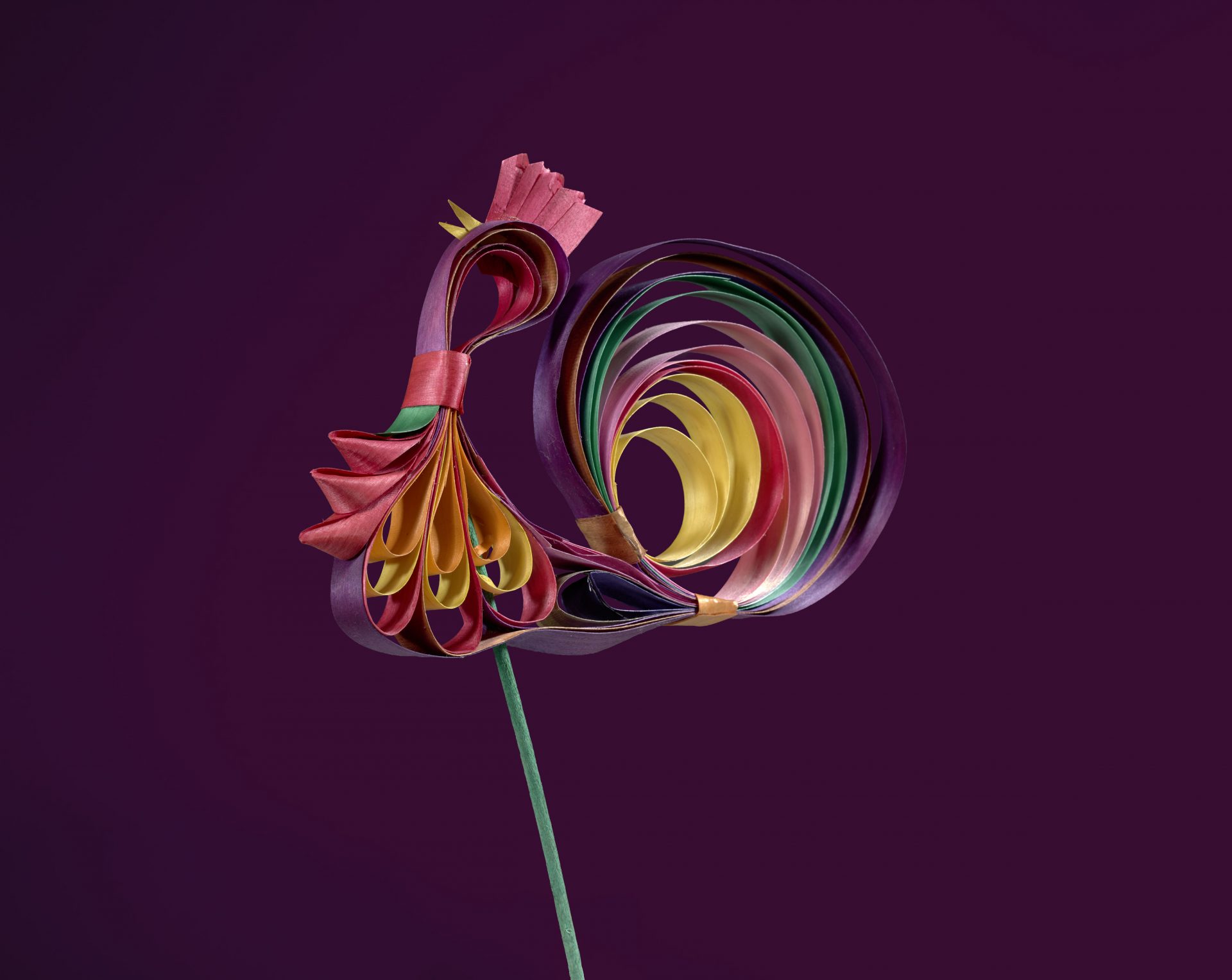
Cepelia (the Centre for Folk and Artistic Industry), which operated from 1949 to 1989, was an institution of immense social and cultural influence. Its legacy continues to stir emotions – sometimes conflicting – amongst museum professionals and specialists to this day. This exhibition on Cepelia tells the story of the ideas, ambitions, aesthetics and tensions that shaped Polish interiors in the second half of the 20th century and left a distinct mark on the collective memory.
The aesthetic drawing on folk art did not come out of nowhere; traces of it can be found in the crafts of earlier eras and, to this day, in design. And also in many a Polish kitchen cupboard, amongst cobalt-painted plates with floral patterns and others featuring abstract motifs… Does this look familiar? We invite you to the craft and design exhibitions at the National Museum in Kraków.
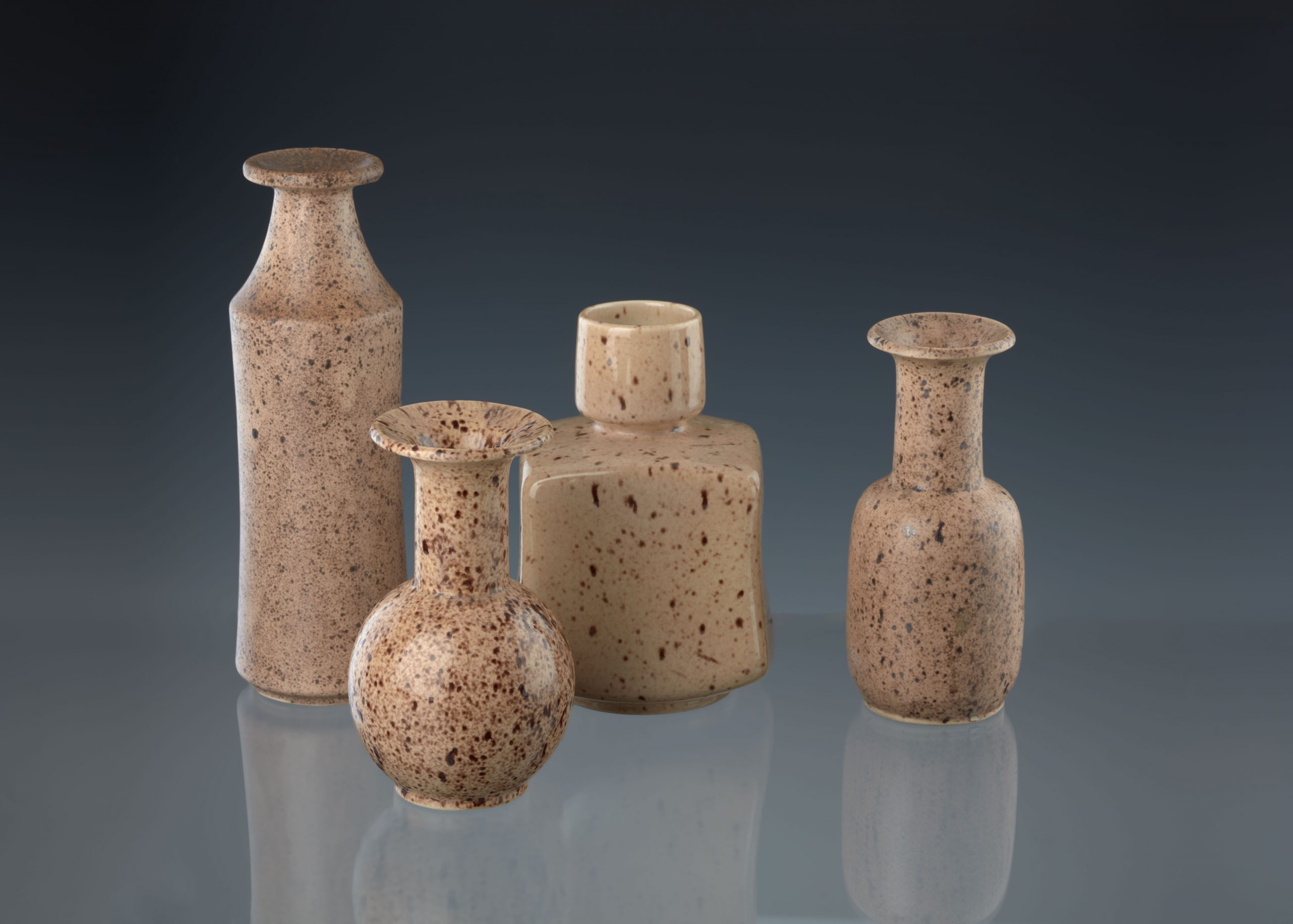
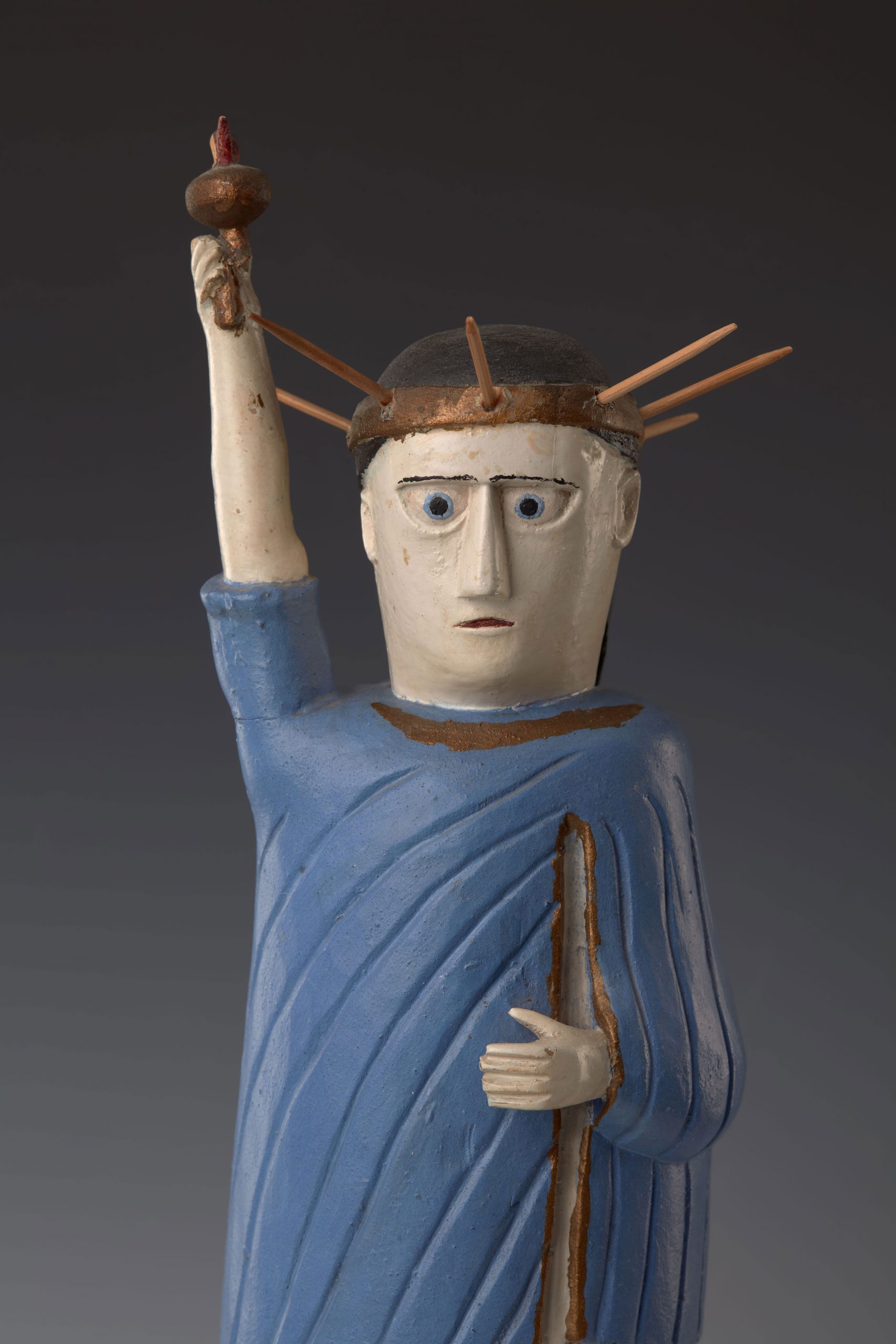
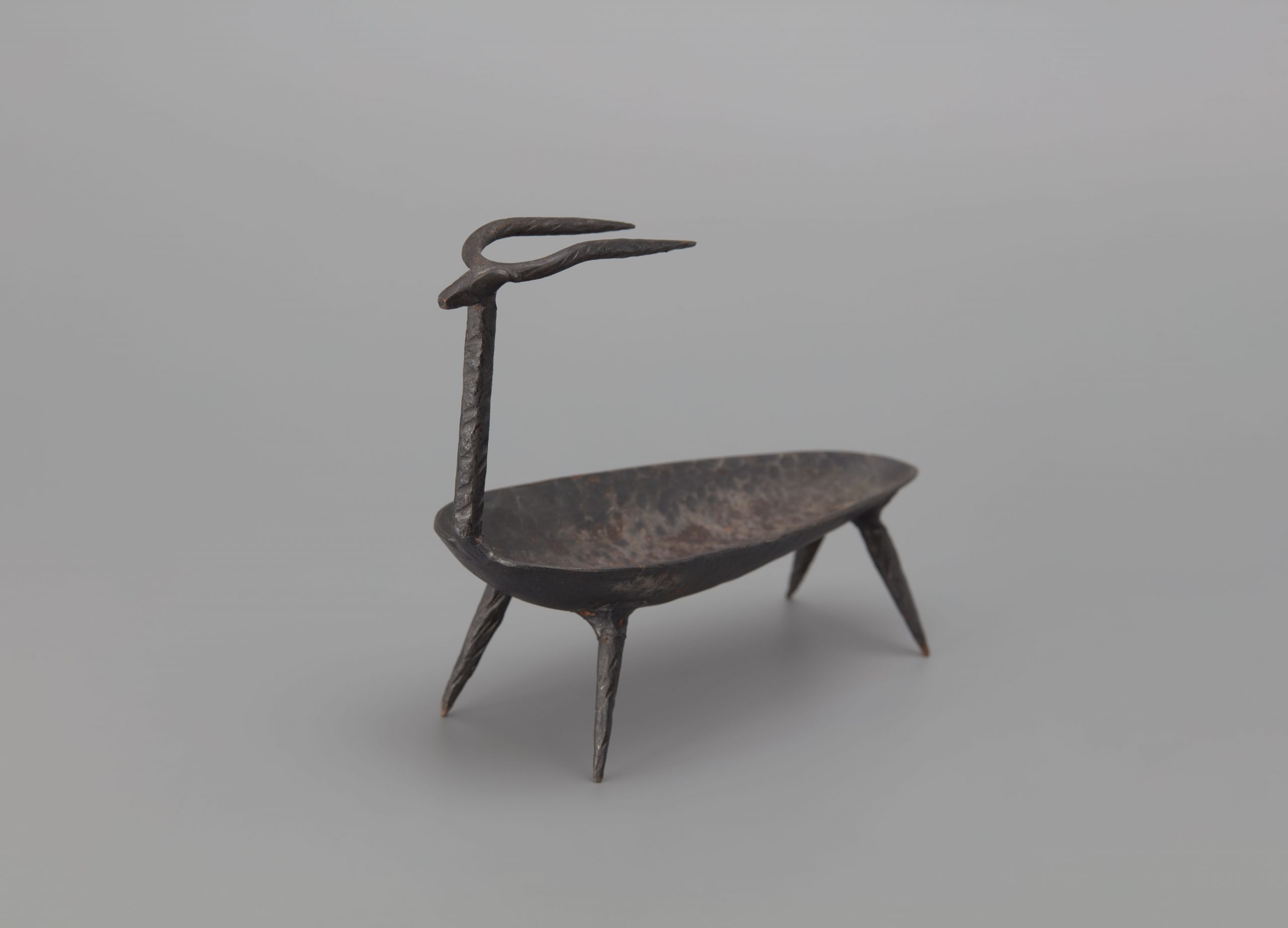
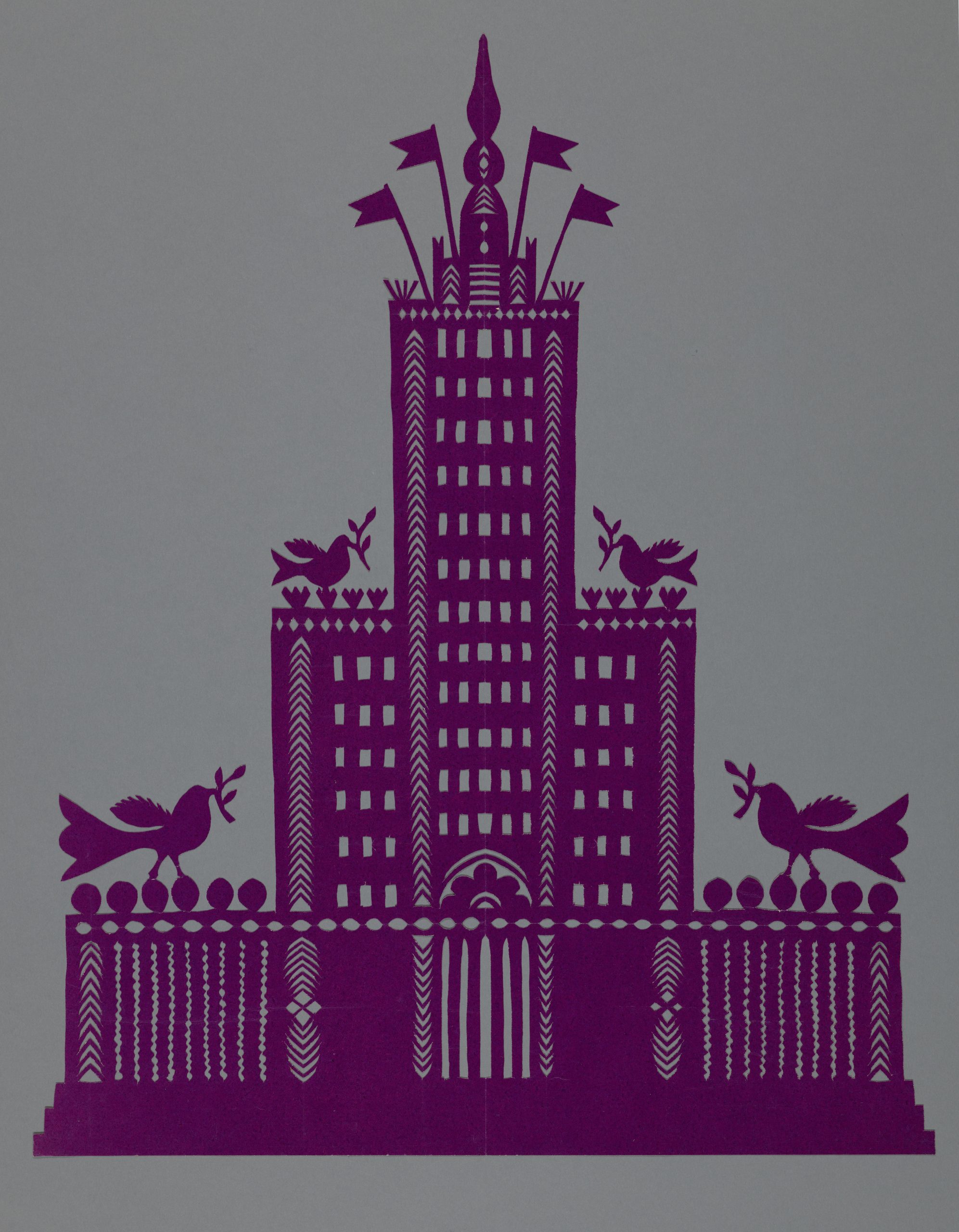
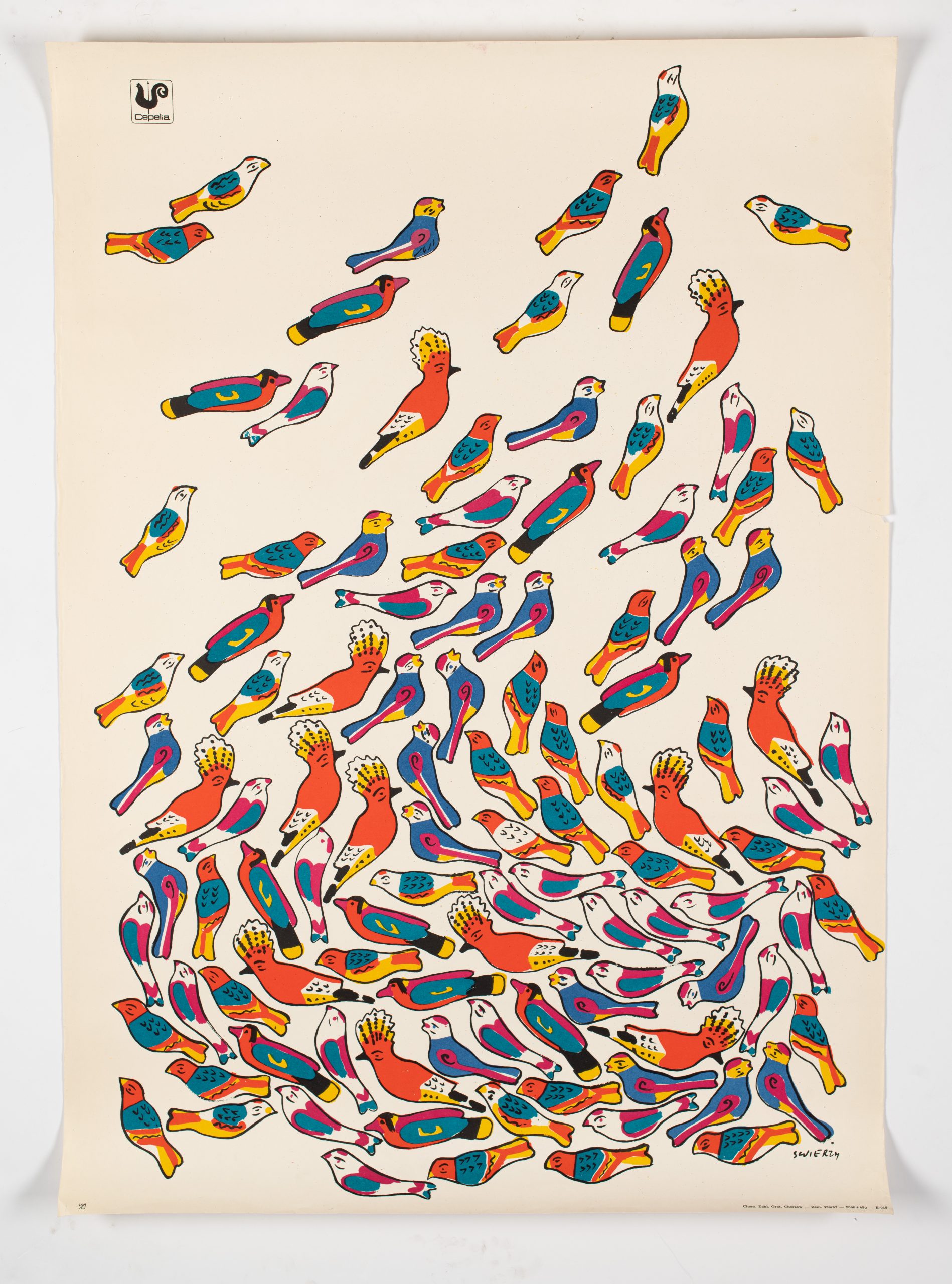
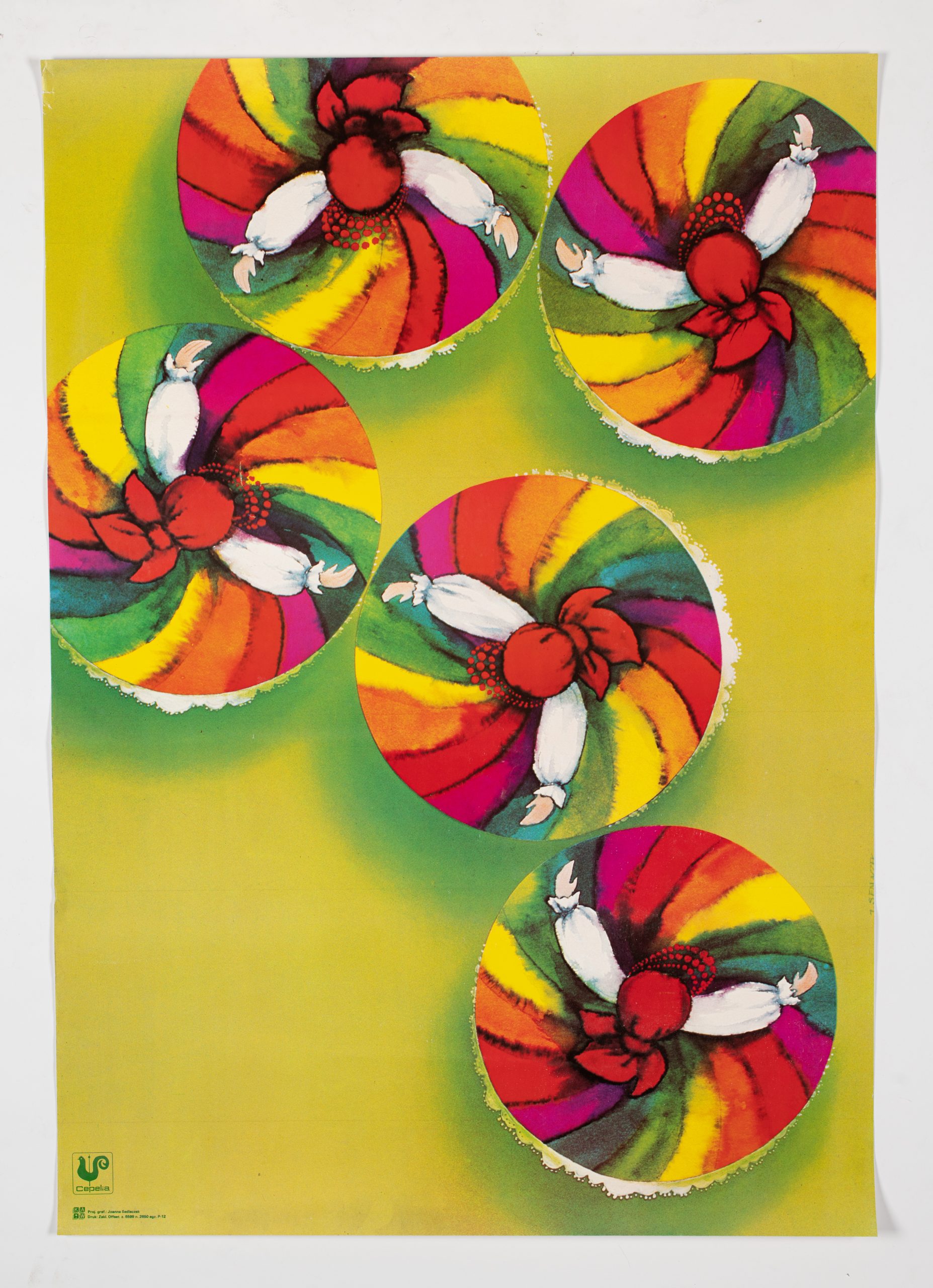
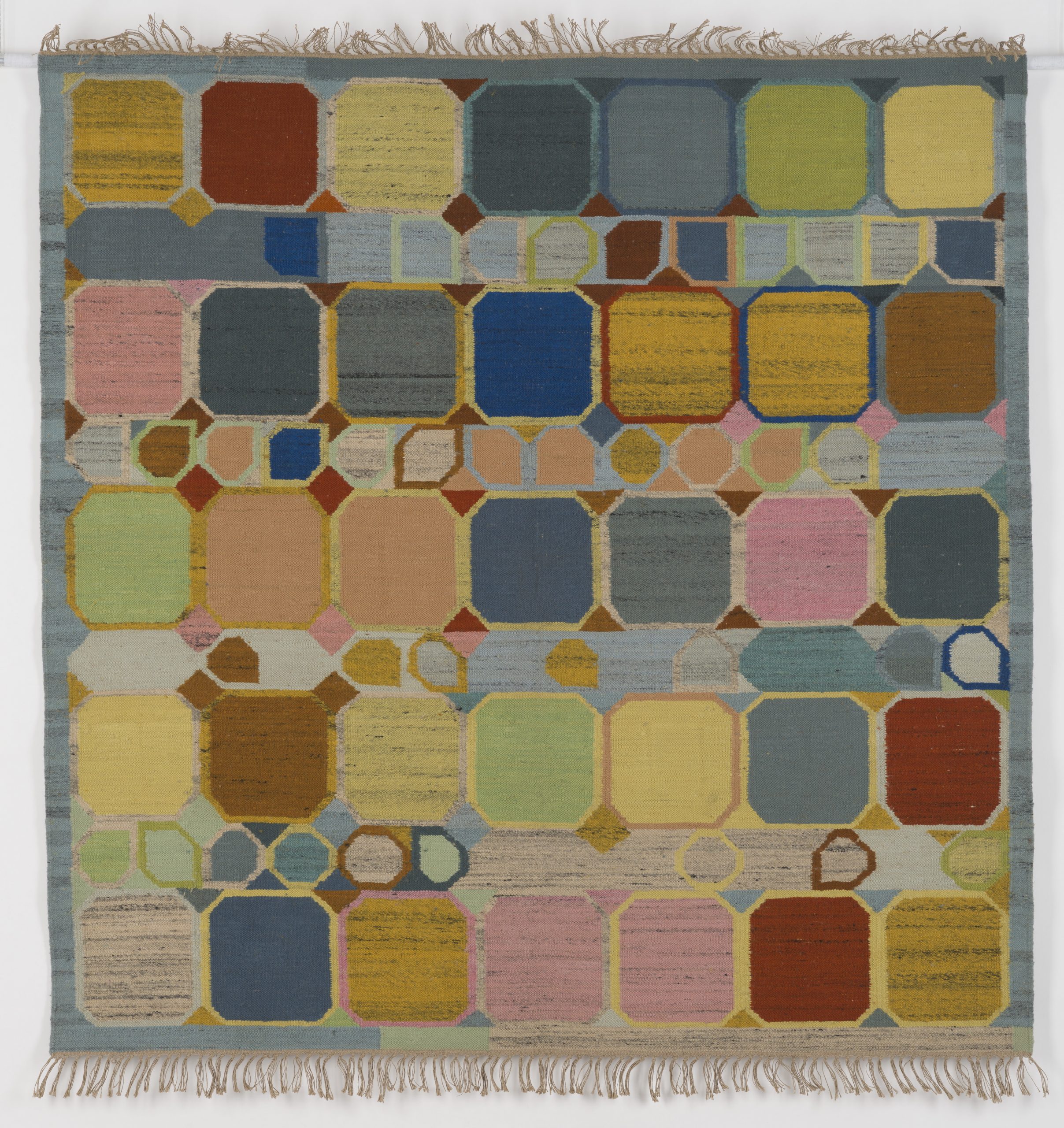
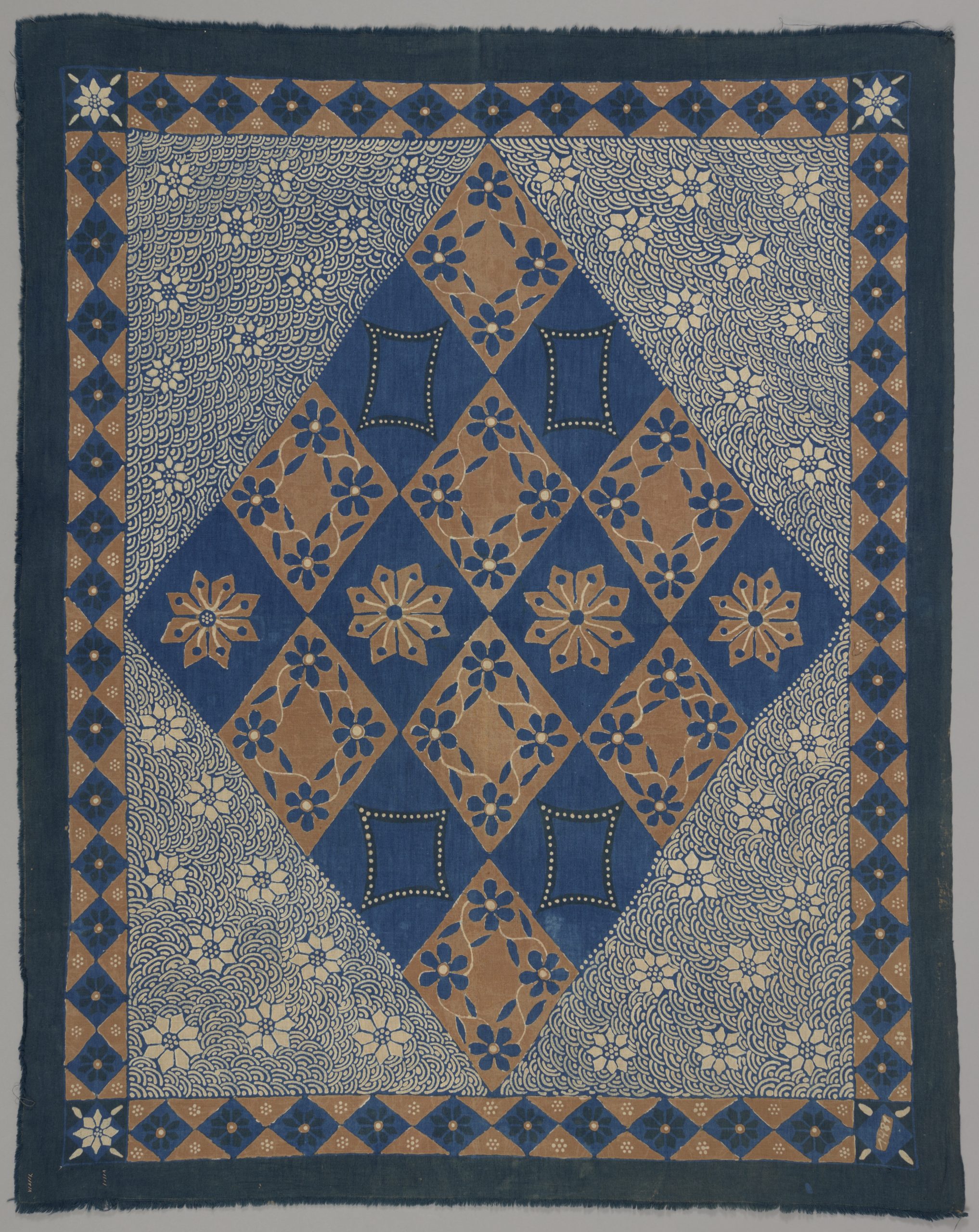
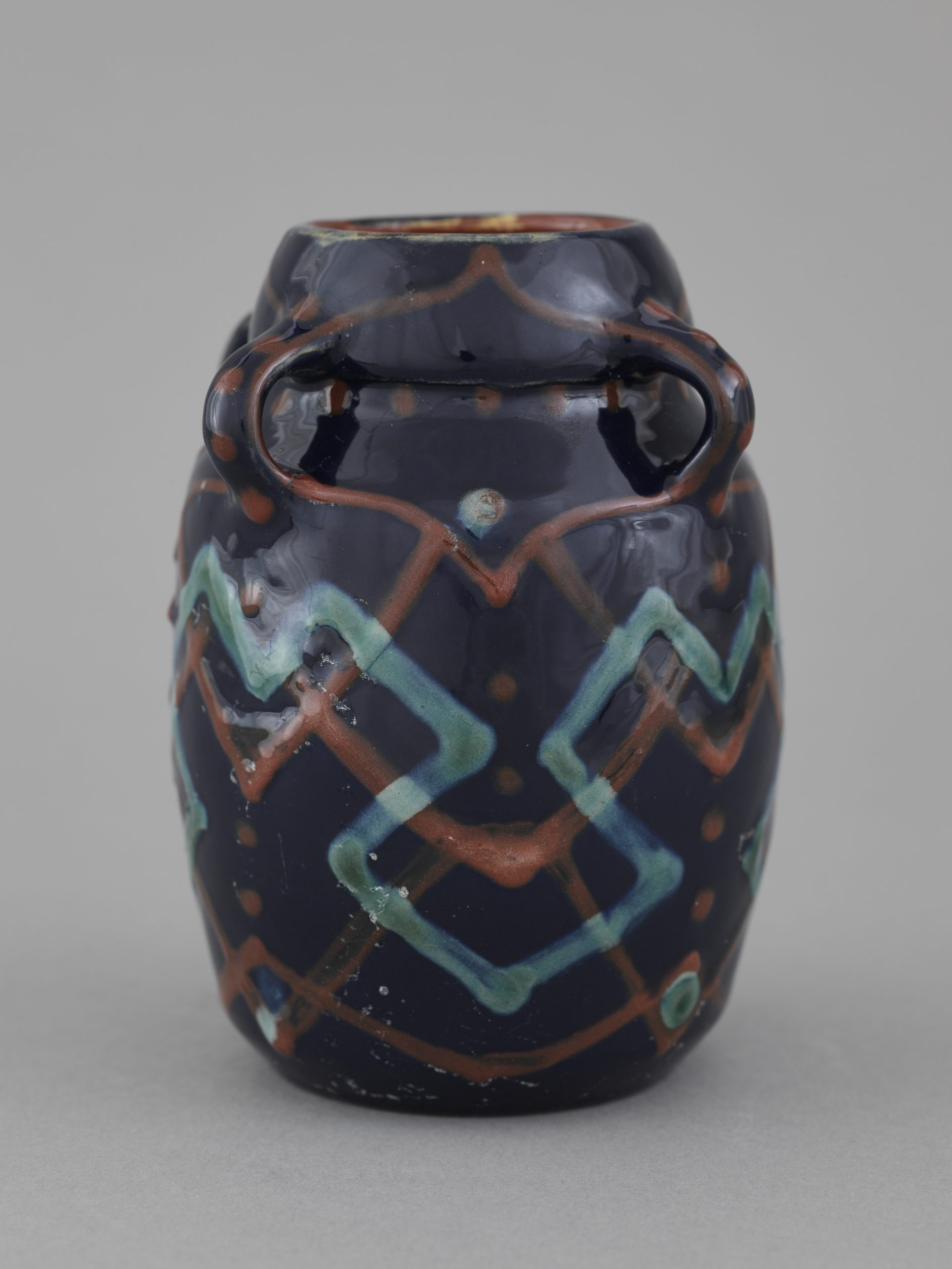
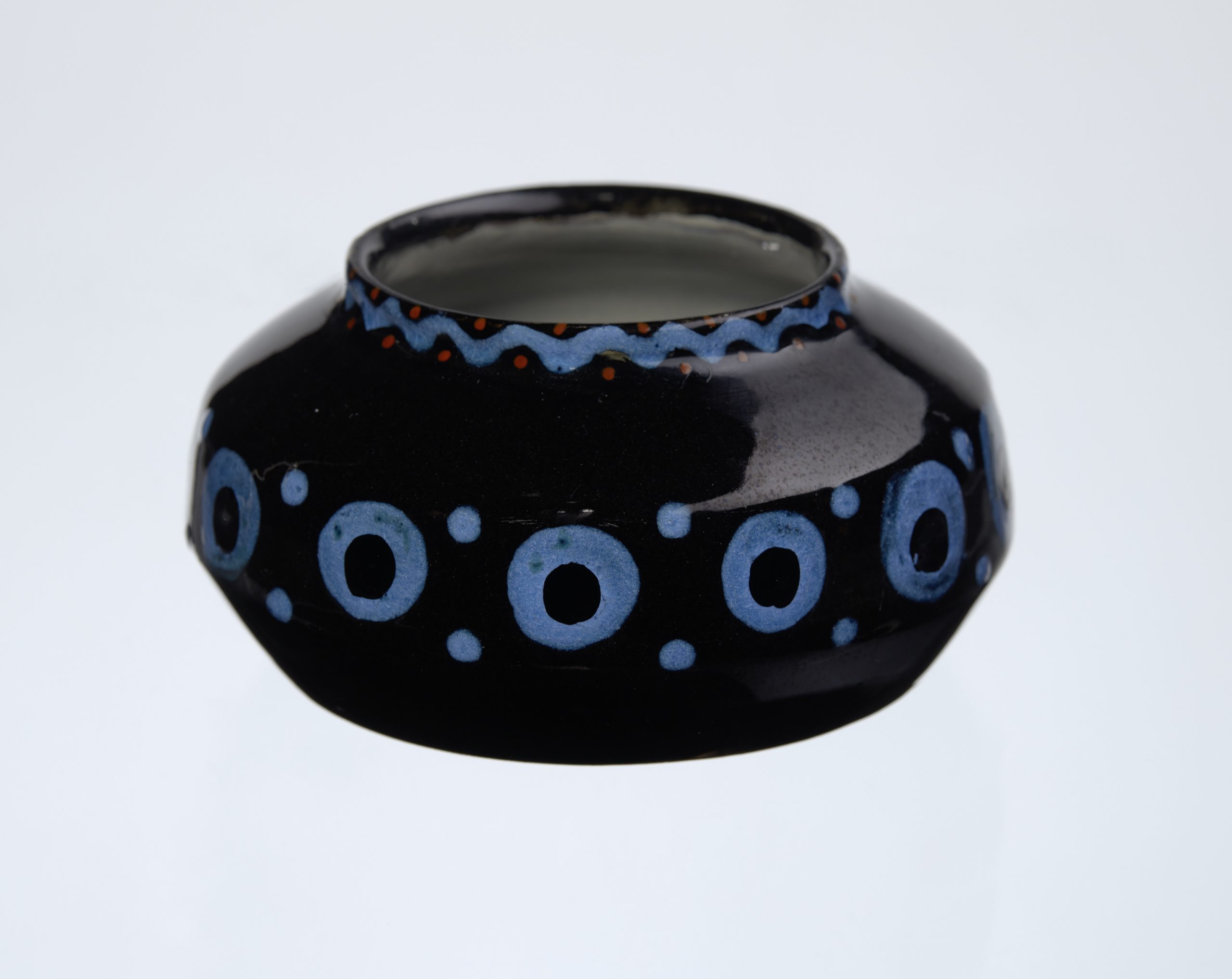
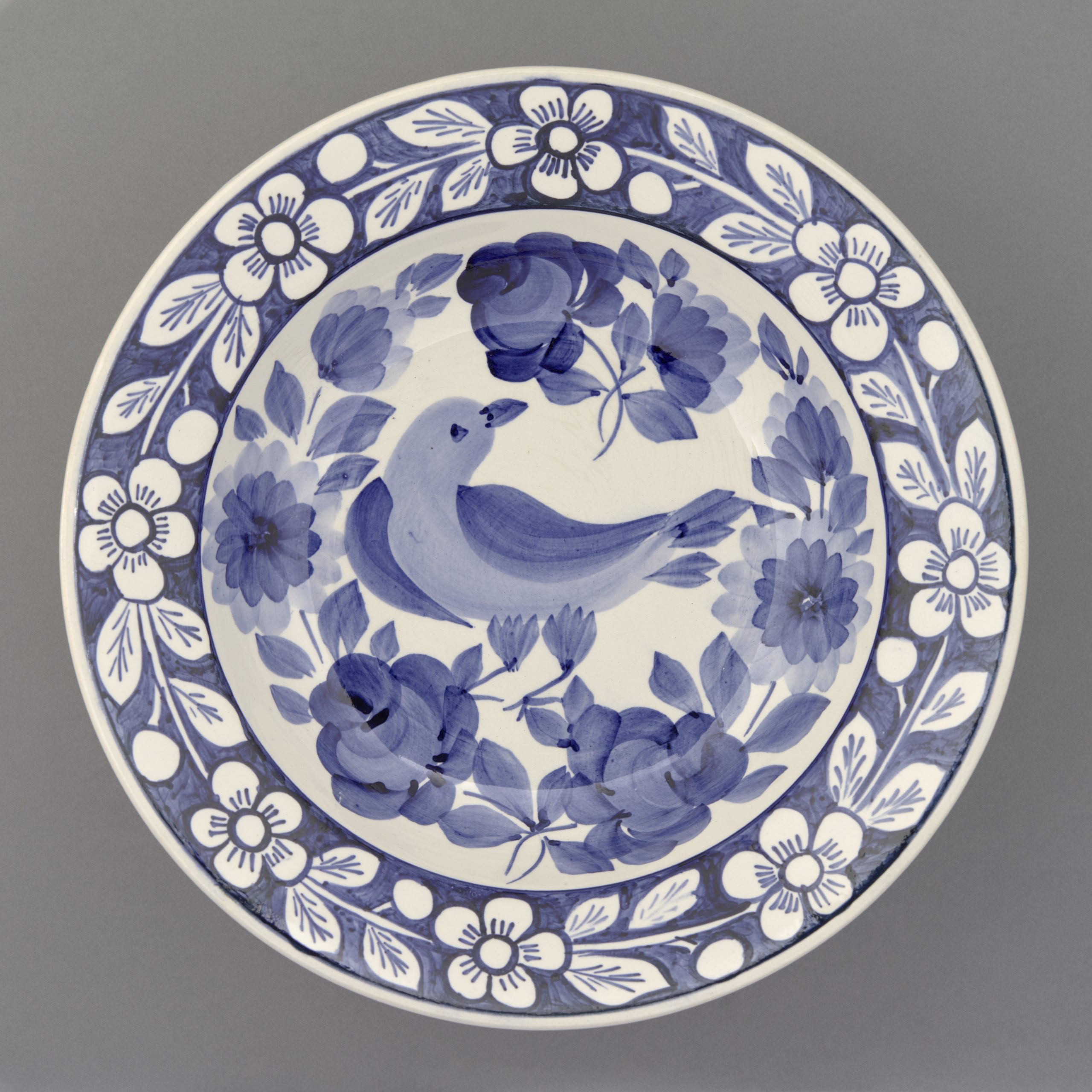
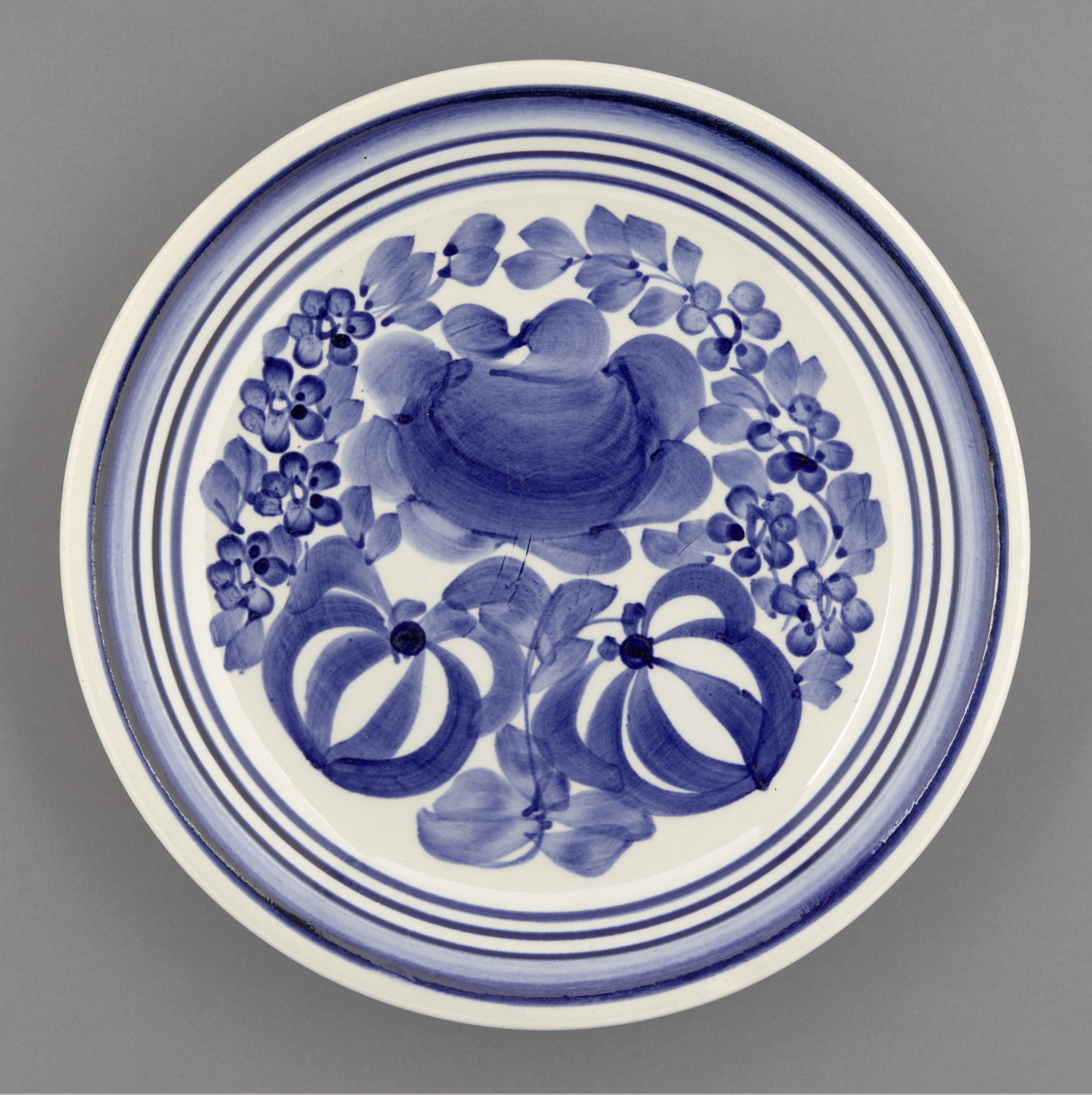
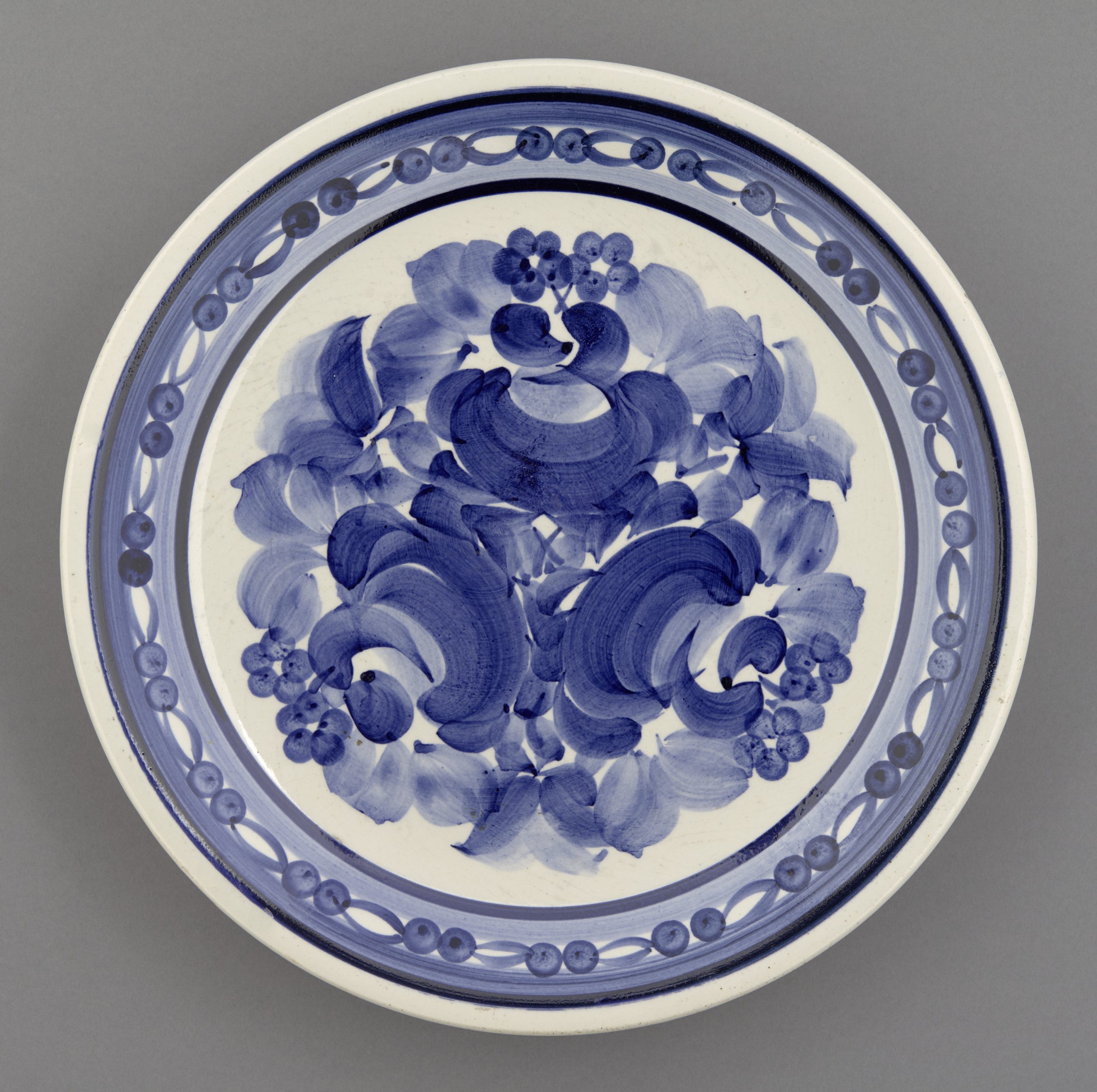
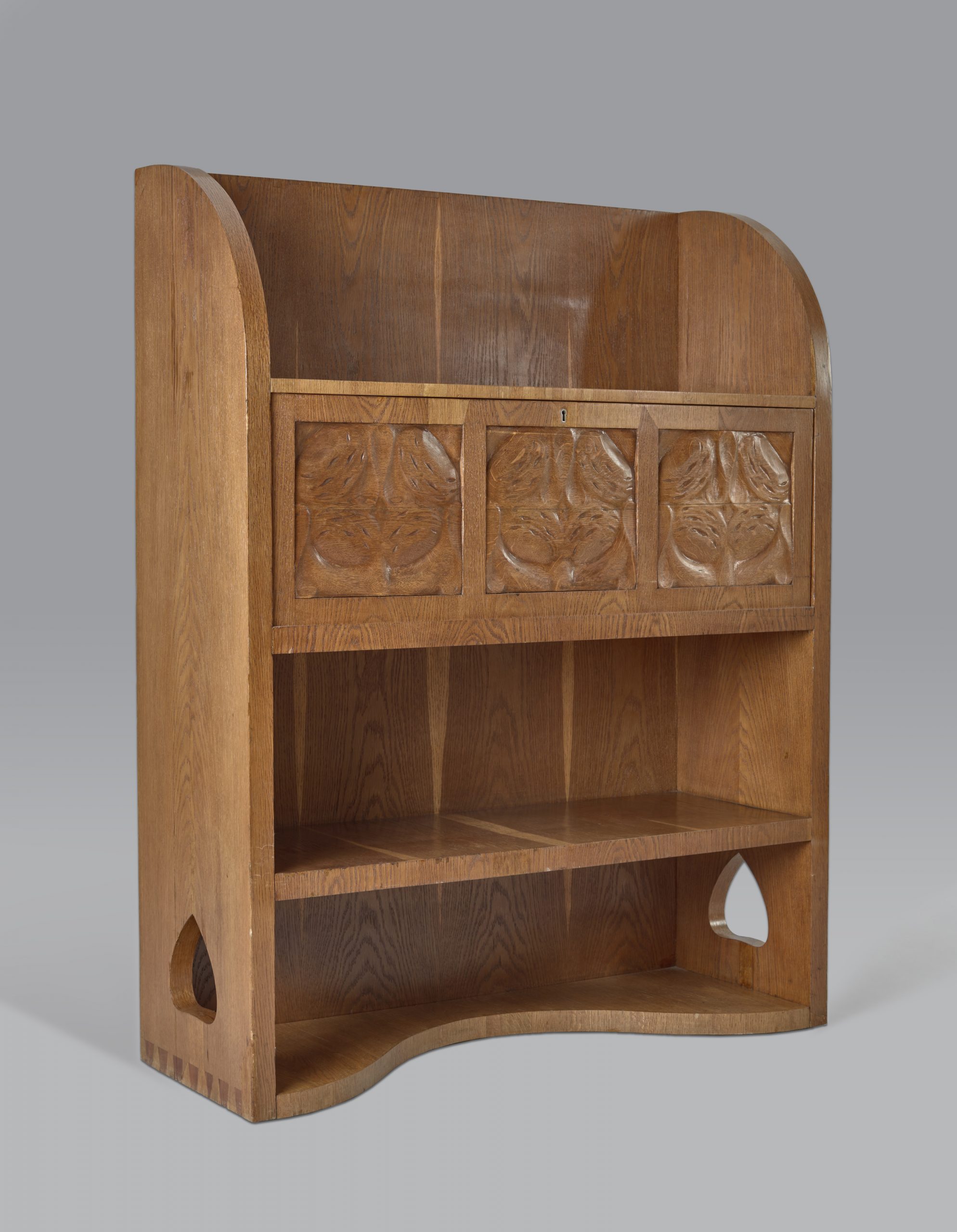
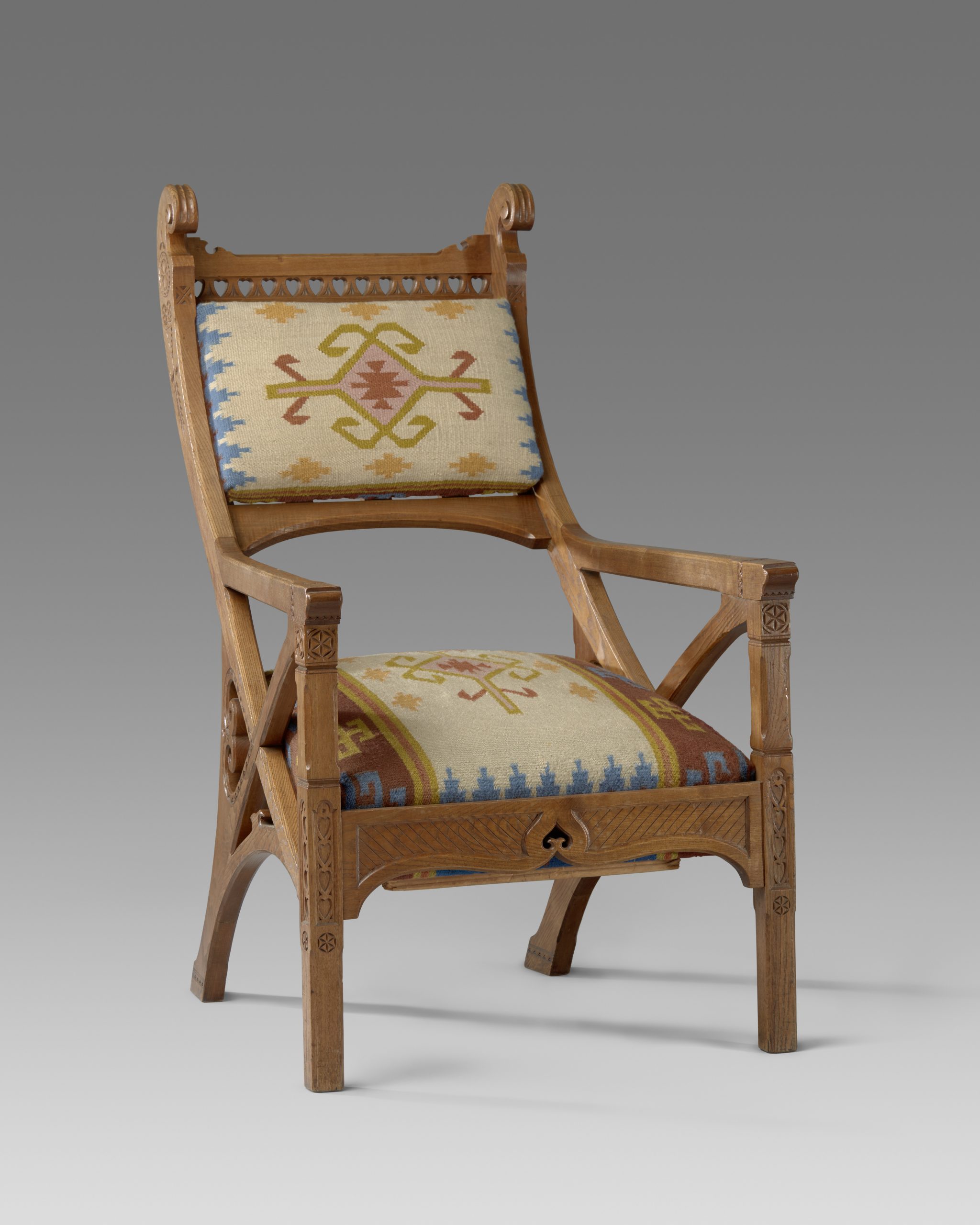
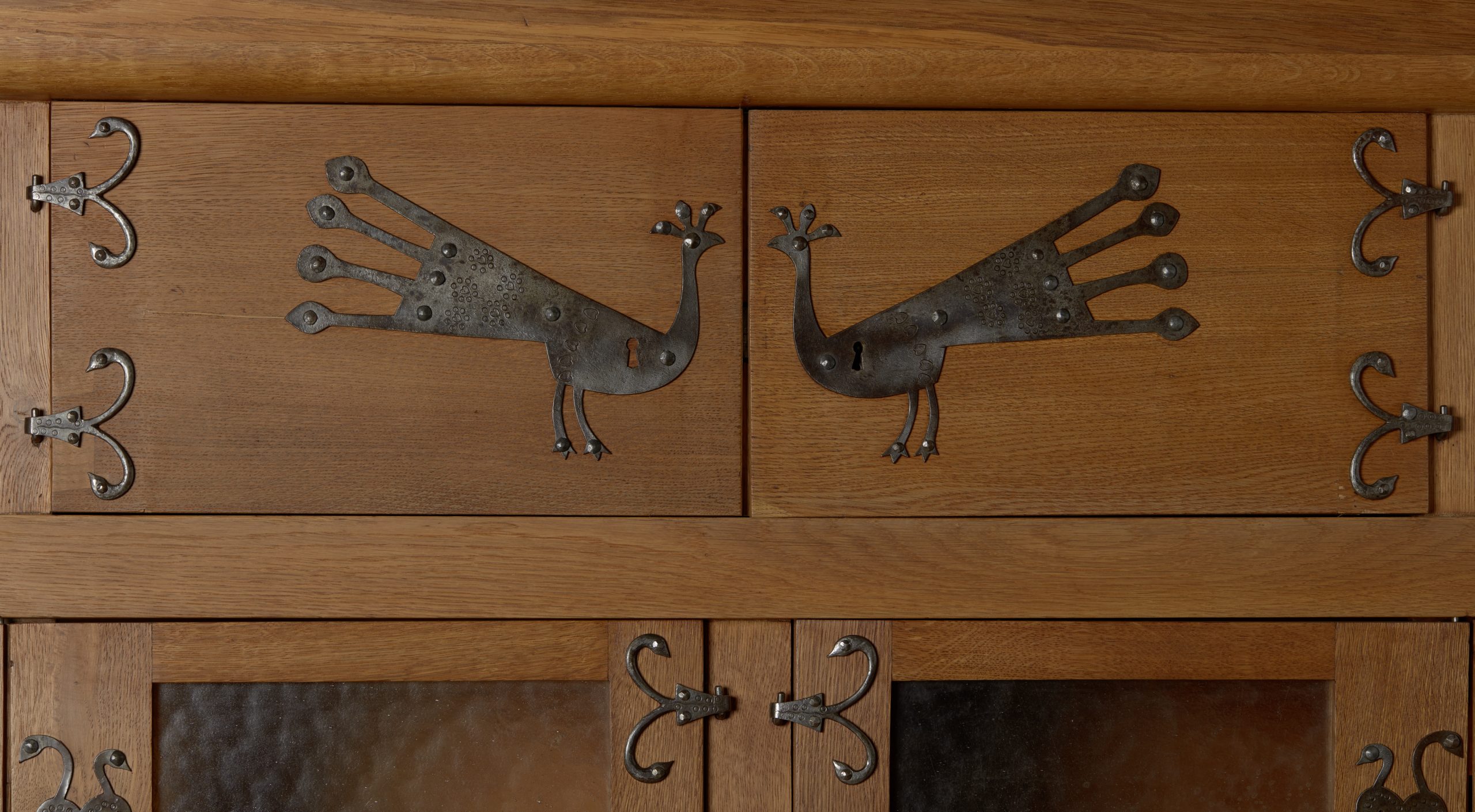
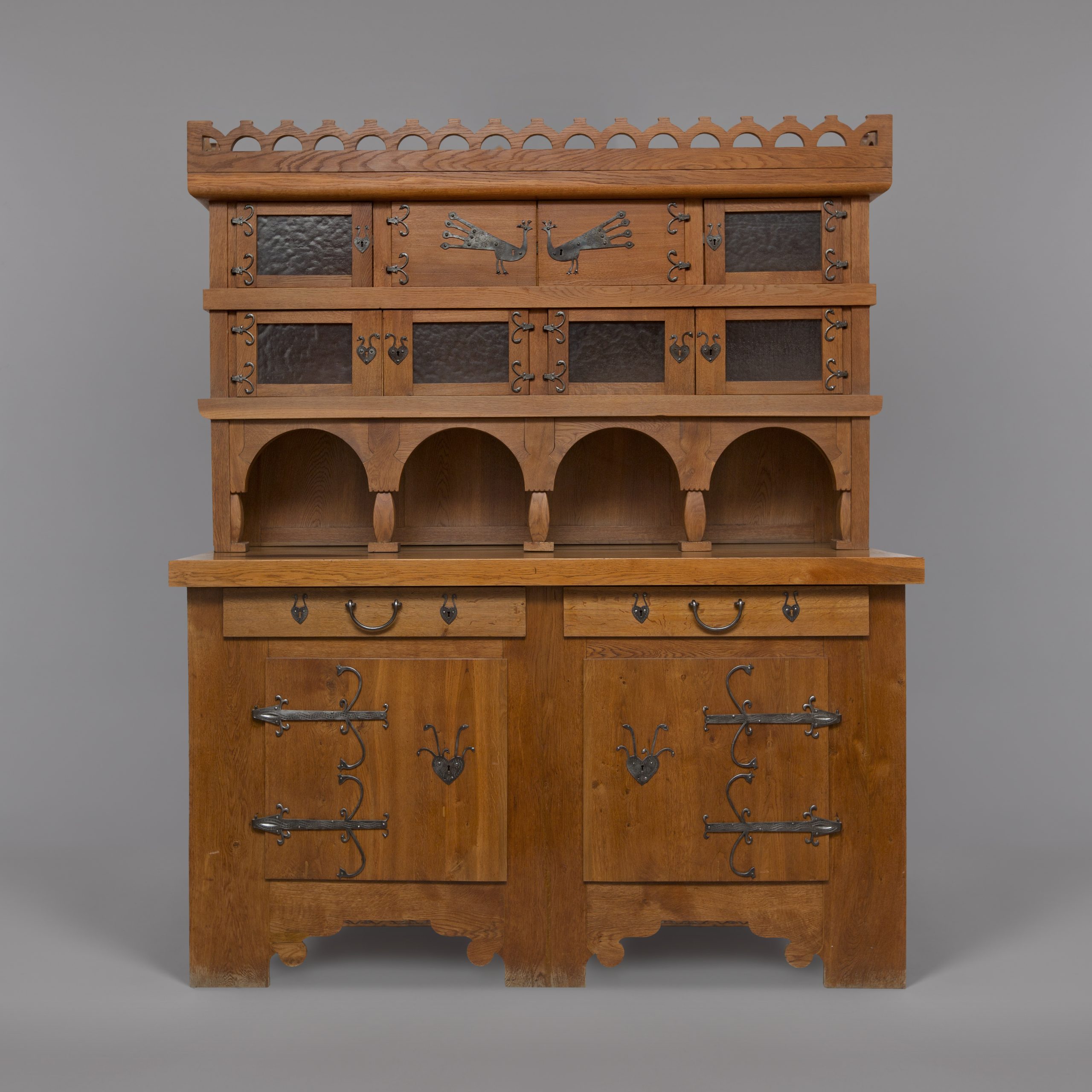
A critical, comprehensive exhibition devoted to one of the most influential institutions producing and distributing artistic objects and works of art. Cepelia’s aesthetic has been viewed in varying ways over the years. Mass-produced art was intermingled with original designs by outstanding artists from various creative fields, including poster art, textiles and ceramics.
The presentation of design at the MNK Szołayski – in the exhibition Objects – addresses the question of what was happening in Polish design prior to the period when Cepelia was active, as well as what took place after the Central Office closed. This retrospective exhibition explores this theme, focusing on the 20th century, beginning with the search for a national style in the folk culture of Podhale and the ornamental traditions of the Kraków region, and ending with brand-new examples of objects that can still be found in shops, homes and attics, and sometimes on rubbish-dump displays.
The popularity of Cepelia’s folk designs is not the only theme that can be traced throughout the decades of the Polish People’s Republic. At the same time, products from the state-owned enterprise Moda Polska were symbols of quality, style and luxury. In the Objects section of the exhibition on the first floor of the National Museum in Kraków (MNK Szołayski), examples of clothing designed by Kalina Paroll, Magda Ignar and Jerzy Antkowiak are on display, including outstanding examples of garments made from silk produced by the State Central Natural Silk Works in Milanówek.
Here we come to the final stop on our tour: as in many homes, during the People’s Republic of Poland, folkloric influences coexisted with another significant aesthetic trend: abstract ceramic decoration, affectionately known as ‘pikasiaki’. On the ground floor of the MNK Szołayski House, we are exhibiting ceramics by a dozen or so artists associated with the Institute of Industrial Design in Warsaw and with factory design centres: Julia Kotarbińska, Helena Husarska, Leszek Dutka, Andrzej Trzaska, and Helena and Lech Grześkiewicz. Their works are juxtaposed with plates from the Atelier Madoura in Vallauris in the south of France, which were donated to the National Museum in Warsaw in 1948 by none other than Pablo Picasso himself.
Kup bilety online i odwiedź nasze oddziały, gdzie znajdziesz wszystkie najciekawsze eksponaty
See the most important works, learn about the lives and works of the artists, and come and visit the galleries and branches of the National Museum in Kraków.


Łączyła ich więź przyjaźni, wspólnej pracy i rywalizacji; obaj studiowali razem w Paryżu oraz wynajmowali mieszkanie. Ścieżka poprowadzi przez świat krakowskiego modernizmu, ukazując twórczość dwóch najwybitniejszych artystów Młodej Polski – Józefa Mehoffera i Stanisława Wyspiańskiego.



Ścieżka zwiedzania prowadzi przez trzy oddziały Muzeum Narodowego w Krakowie – Pałacu Książąt Czartoryskich, Arsenału oraz Domu Jana Matejki – ukazując, w jaki sposób sztuka przez stulecia budowała obraz państwa i pamięci narodowej.