






All tours,
Material culture,
Material culture,
Painting


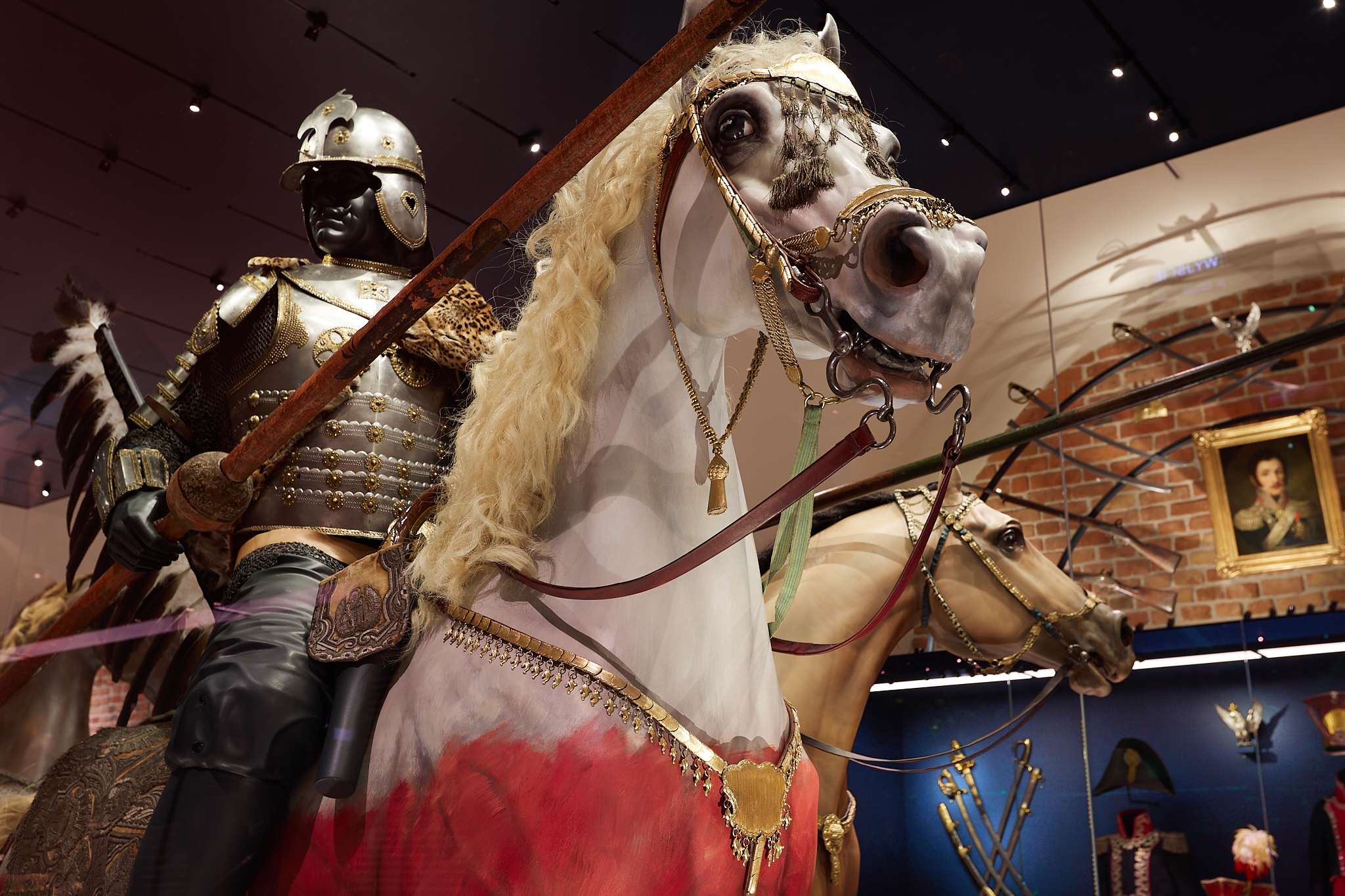
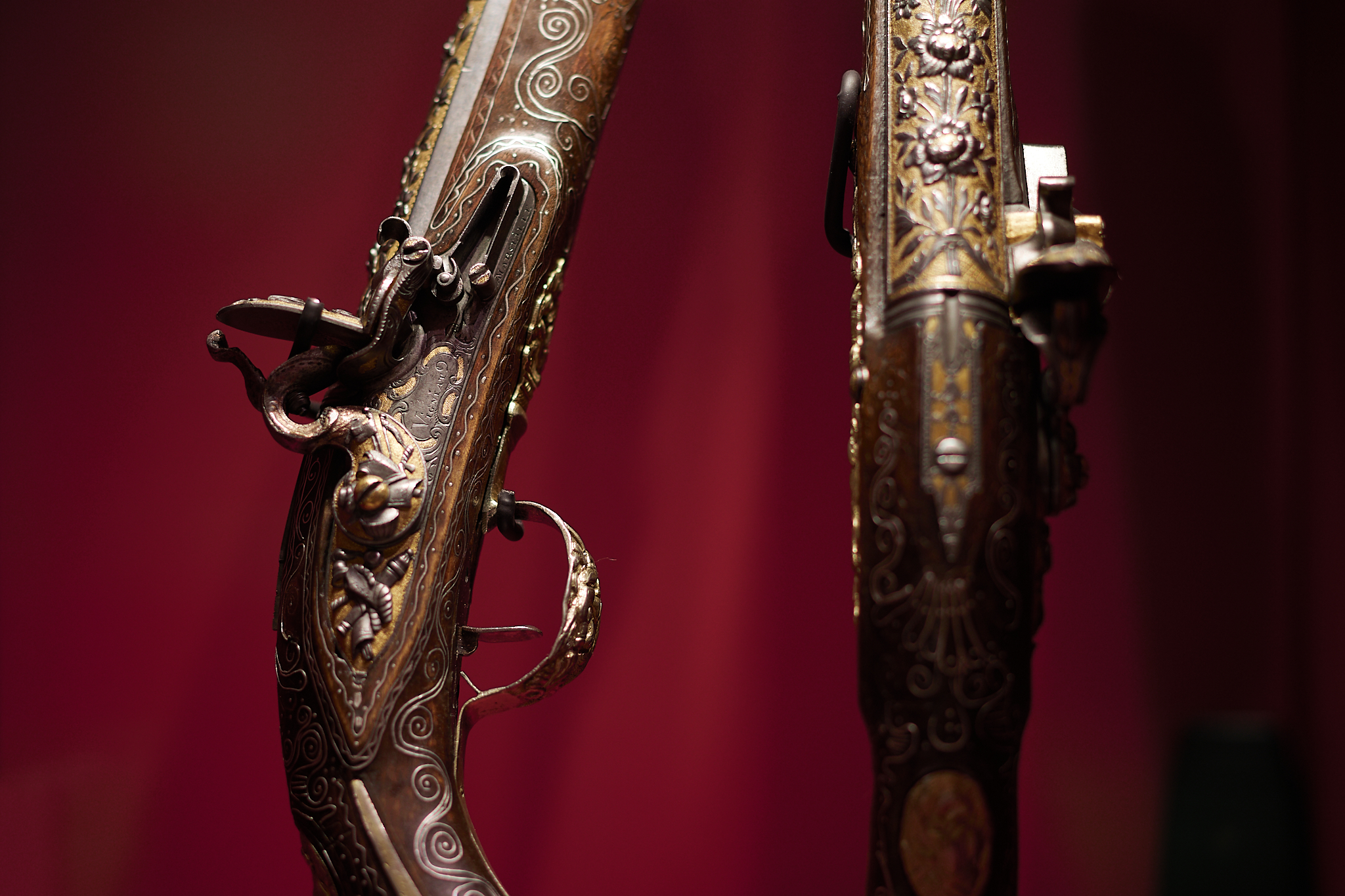
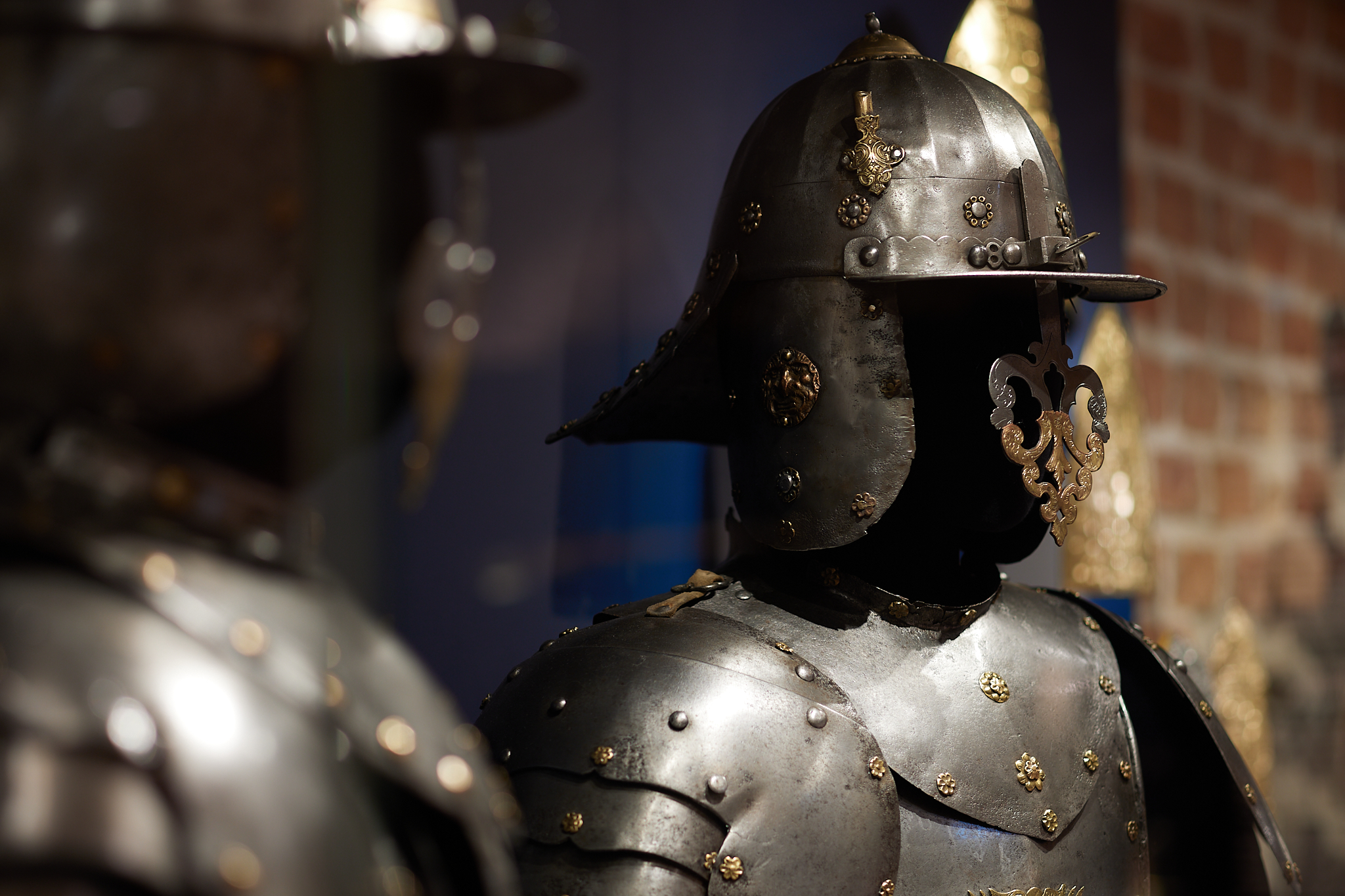
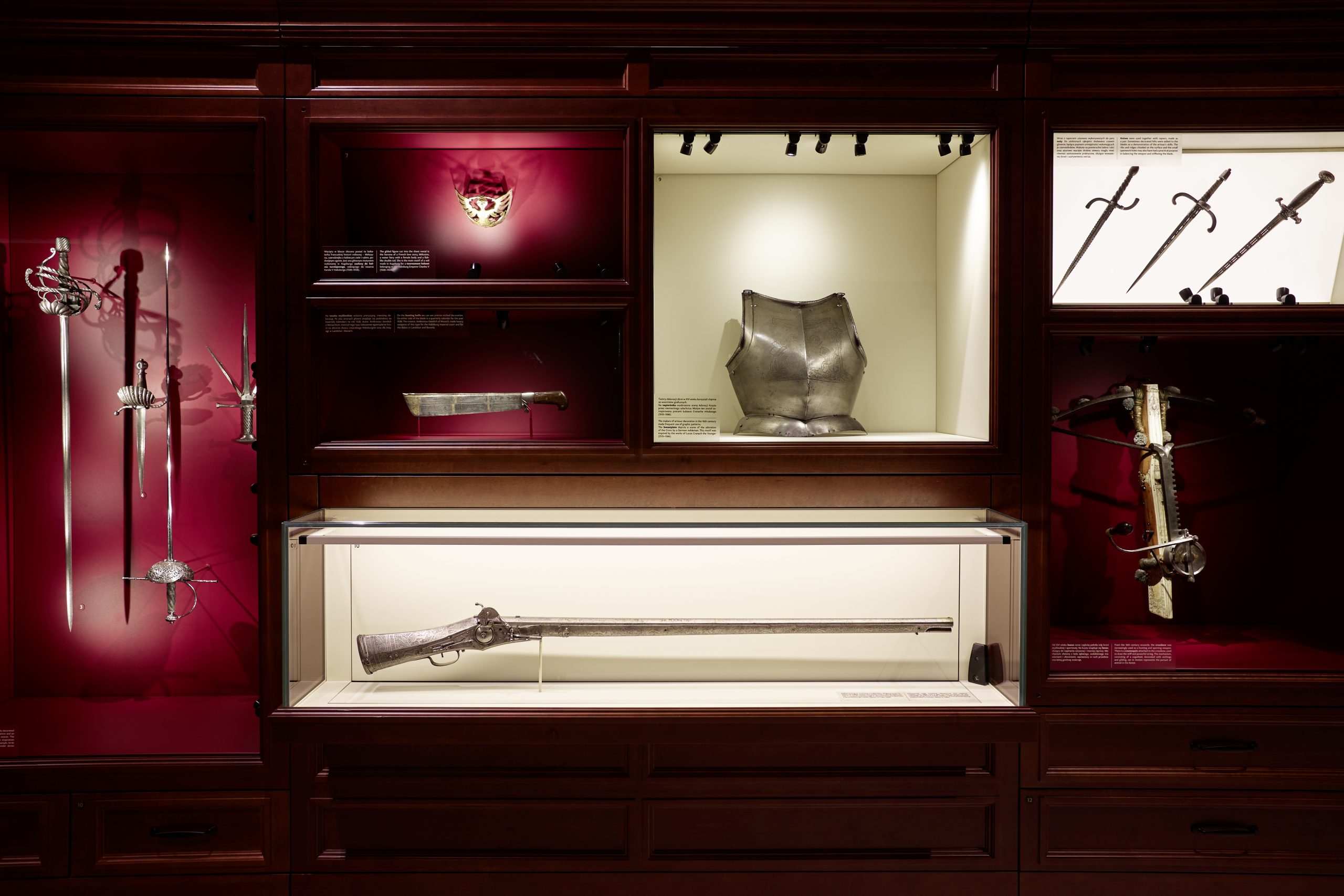
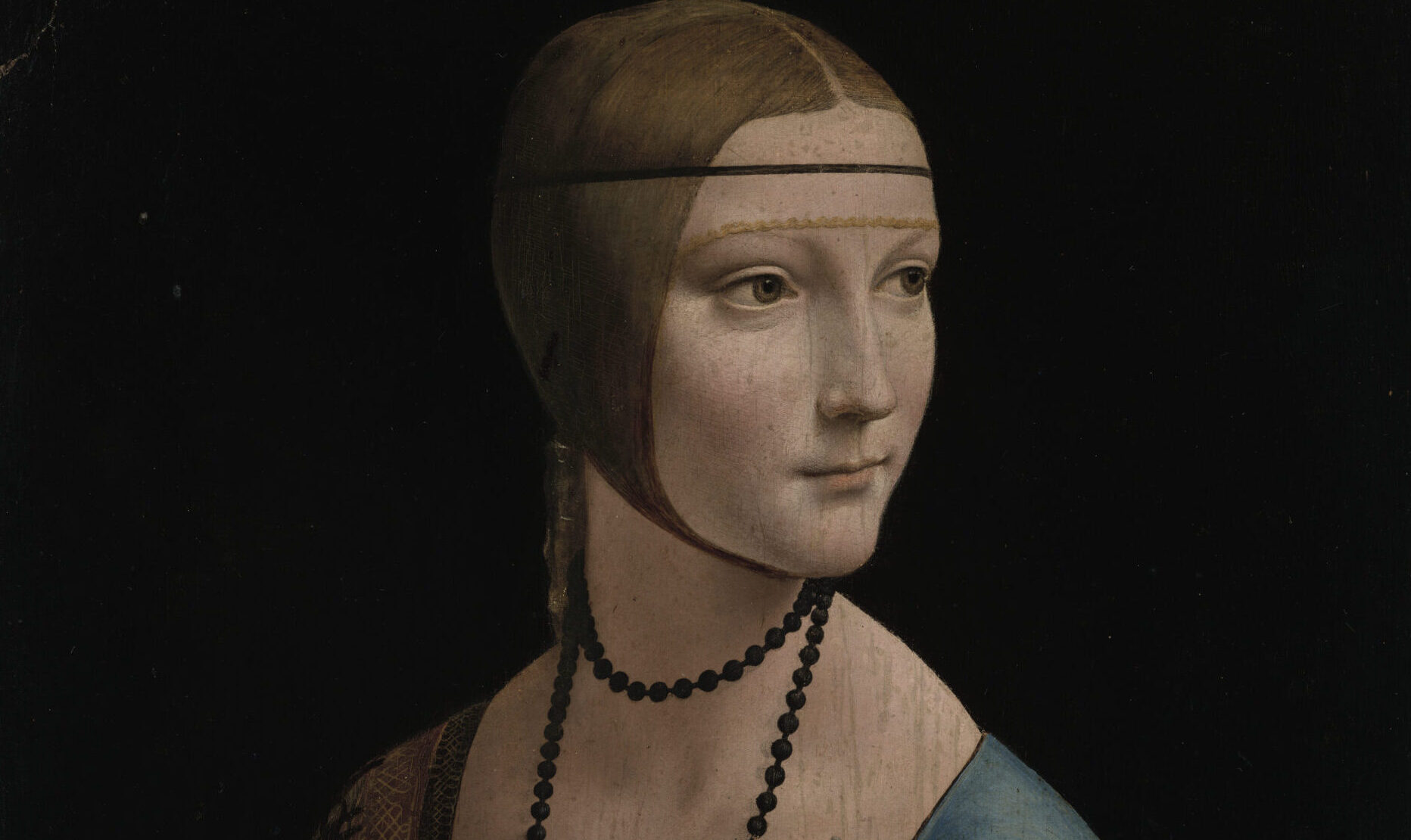
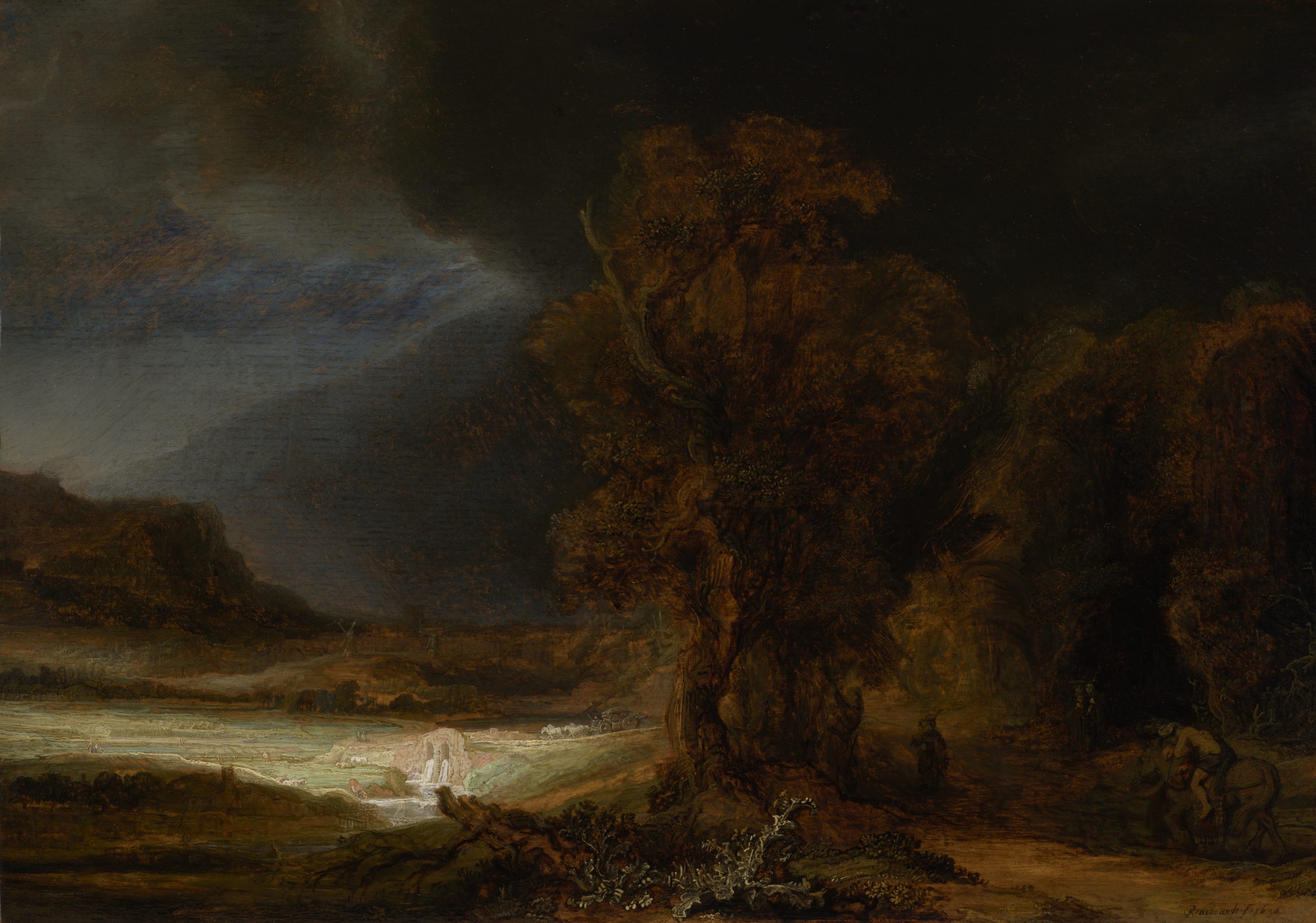
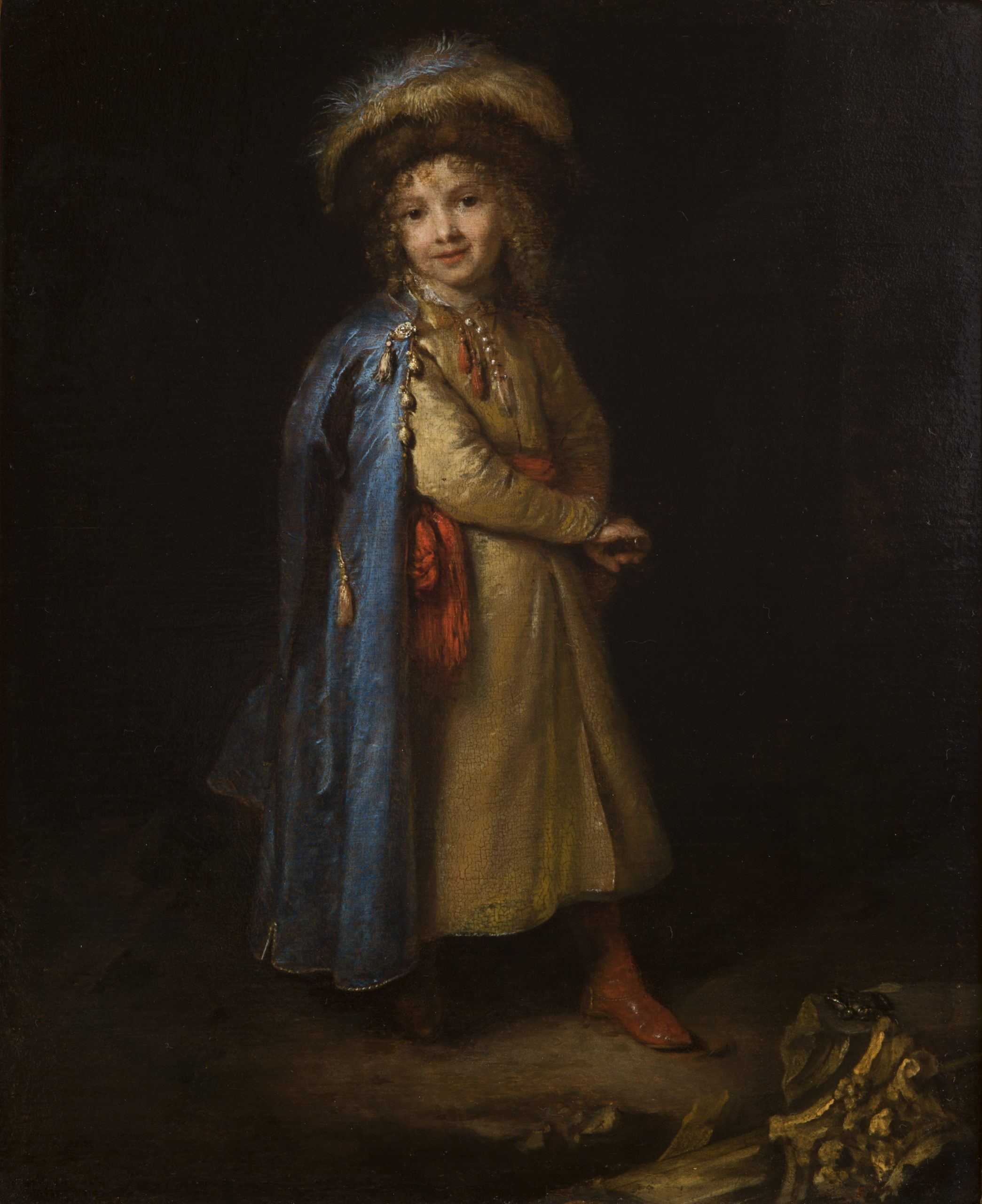
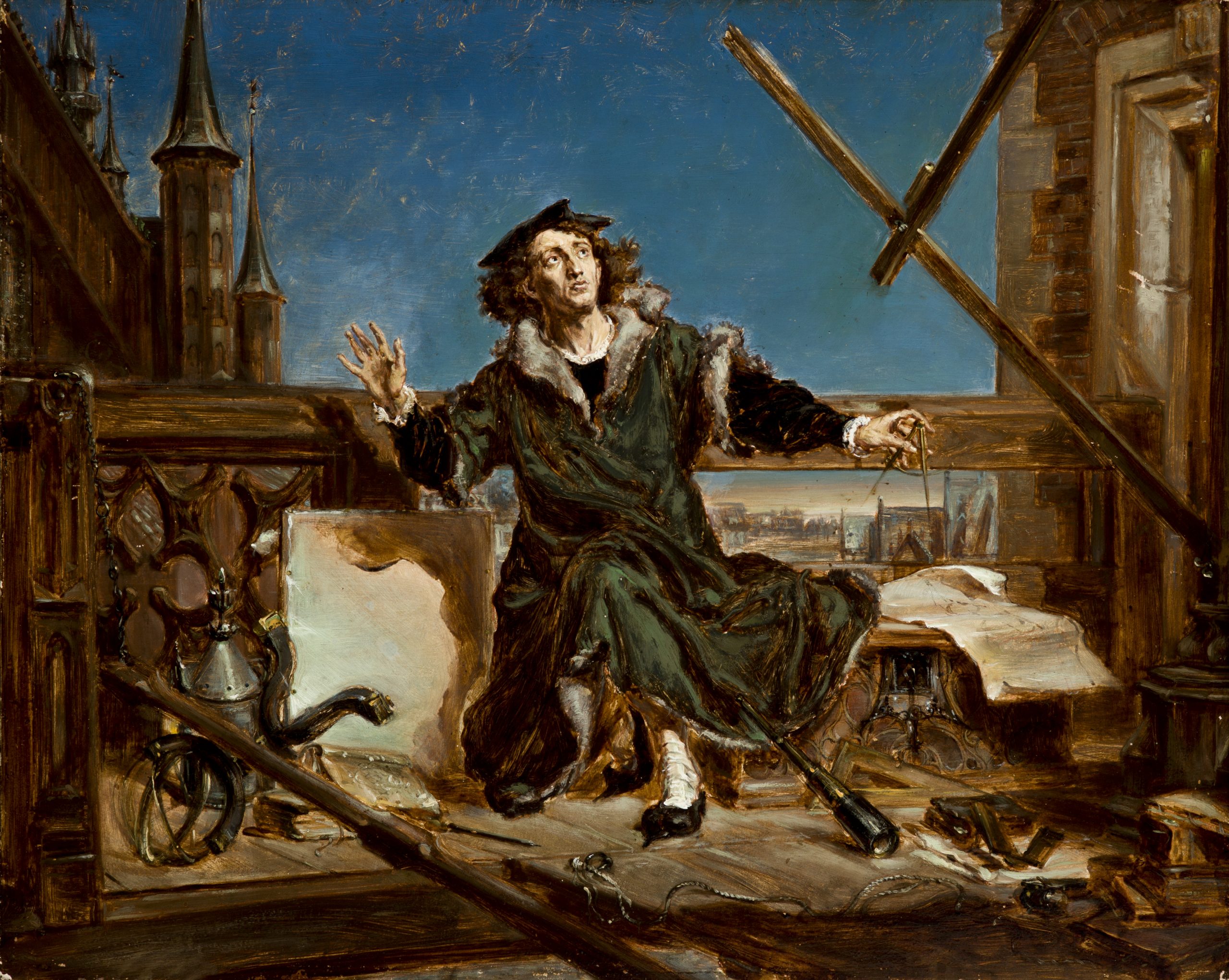
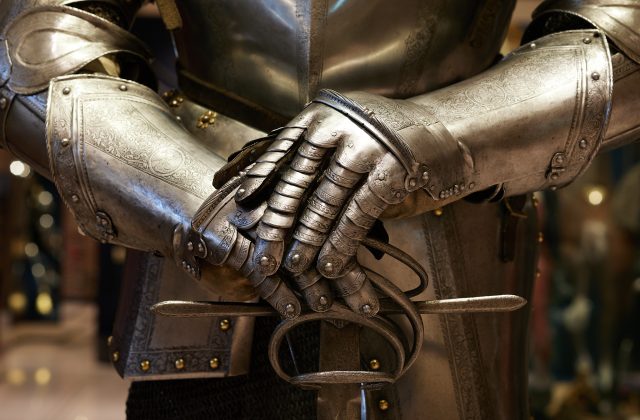
The route begins at the Arsenal, where the narrative focuses on the military history of Poland. Over time, weapons, horse tack, and other military objects came to serve symbolic and religious functions. They reflected their owners’ social status, political convictions, and religious affiliation, while also mirroring – and at times shaping – the prevailing artistic and cultural trends.
Among the many objects on display, particular attention should be paid to the memorabilia associated with Hetman Stanisław Jabłonowski, one of the commanders of the 1683 Battle of Vienna: a karacena armour and an exquisitely crafted solid-gold mace adorned with precious stones. The exhibition also features objects connected with the Radziwiłł, Lubomirski, and Potocki families, as well as historical figures such as Tadeusz Kościuszko, Józef Poniatowski, and Stefan Czarniecki.
The Czartoryski Museum is home to Poland’s most renowned and valuable collection of European masterpieces, including Lady with an Ermine by Leonardo da Vinci and Landscape with the Good Samaritan by Rembrandt van Rijn. Particular attention should also be paid to the portraits and works associated with courtly culture, in which clothing, objects, and surroundings served as powerful markers of social status.
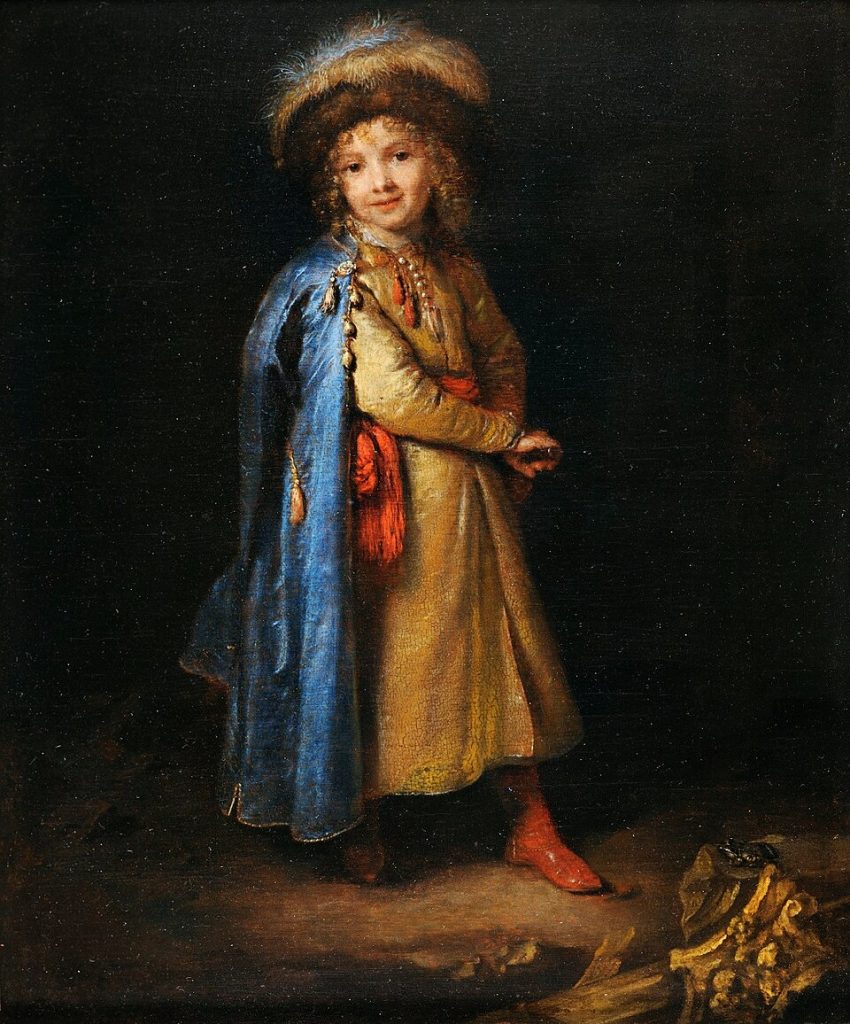
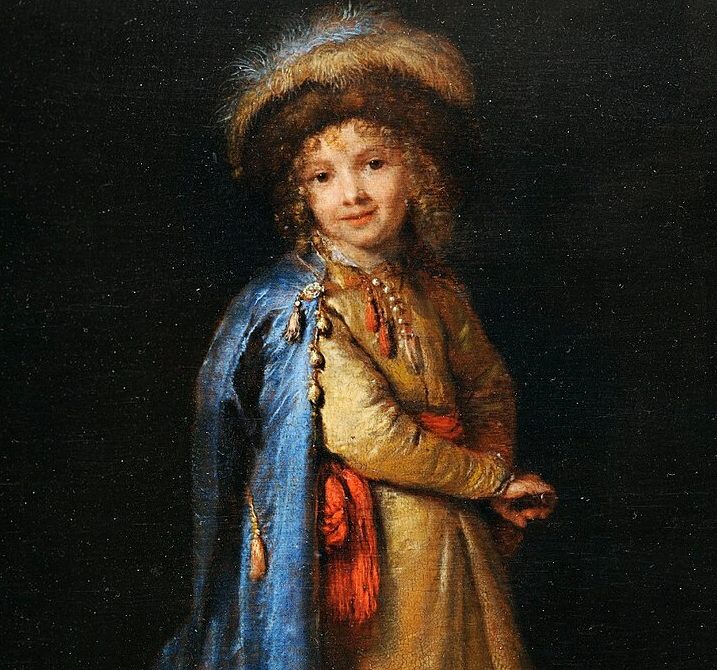
One such work is Portrait of a Boy in Polish Dress by Caspar Netscher, which exemplifies the popularity of Polish costume and Sarmatian fashion in seventeenth-century Dutch art. This fascination stemmed from the close commercial and cultural ties between the Polish–Lithuanian Commonwealth and the Netherlands.
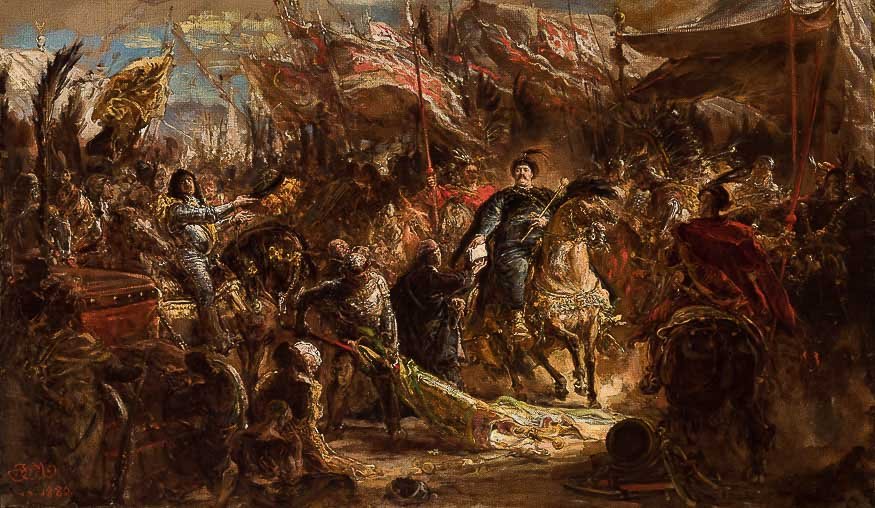
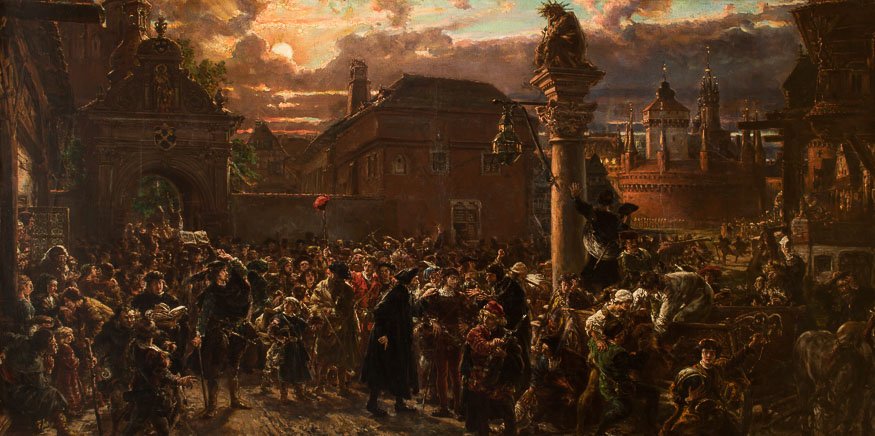
The route concludes at the Jan Matejko House, a museum dedicated to the artist who transformed history into a national myth. His paintings depict the glory of the Polish–Lithuanian Commonwealth at a time when Poland itself was partitioned and absent from the political map of Europe. Through monumental visions of military victories, national heroes, and pivotal historical events, Matejko’s works demonstrate how nineteenth-century history painting helped shape the collective memory of the Polish nation and sustain hope for the restoration of independence.
Particular attention should be paid to King John III Sobieski Presenting Canon Denhoff with the Letter to the Pope Announcing the Victory over the Turks at Vienna in 1683. Set against the backdrop of the Polish hussars, the painting presents the king as a symbol of the military power and prestige of the Polish–Lithuanian Commonwealth.
Book your tickets online and visit our branches to experience the highlights of our collections.
Zobacz najważniejsze dzieła, poznaj życie i twórczość artystów, daj się zaprosić do galerii i oddziałów Muzeum Narodowego w Krakowie.


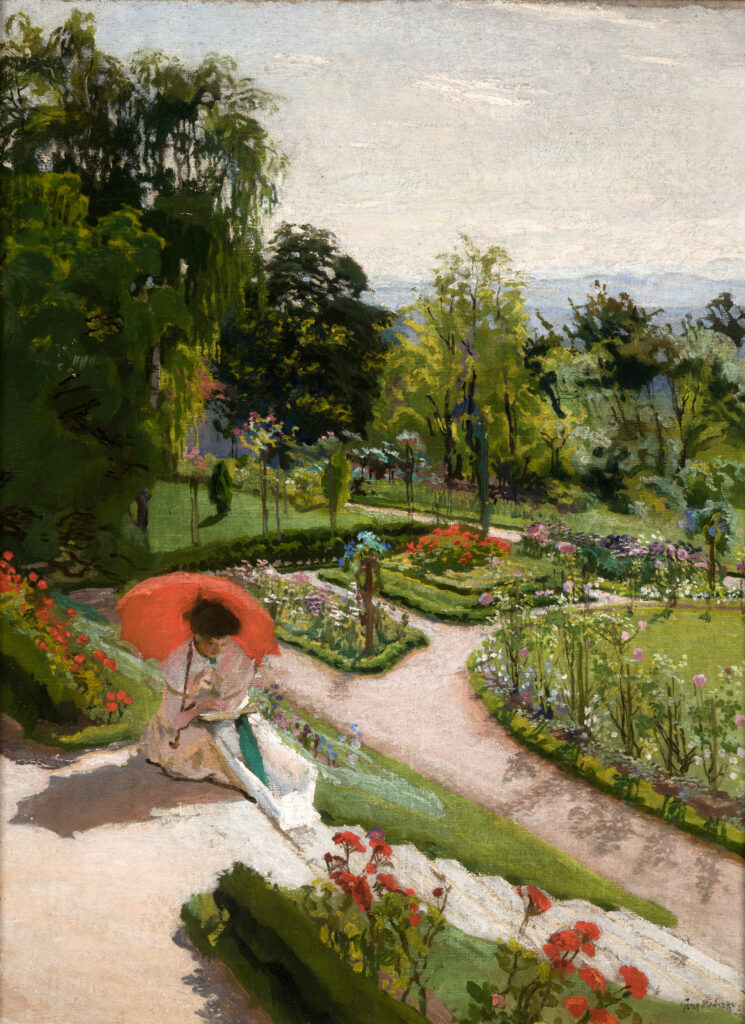
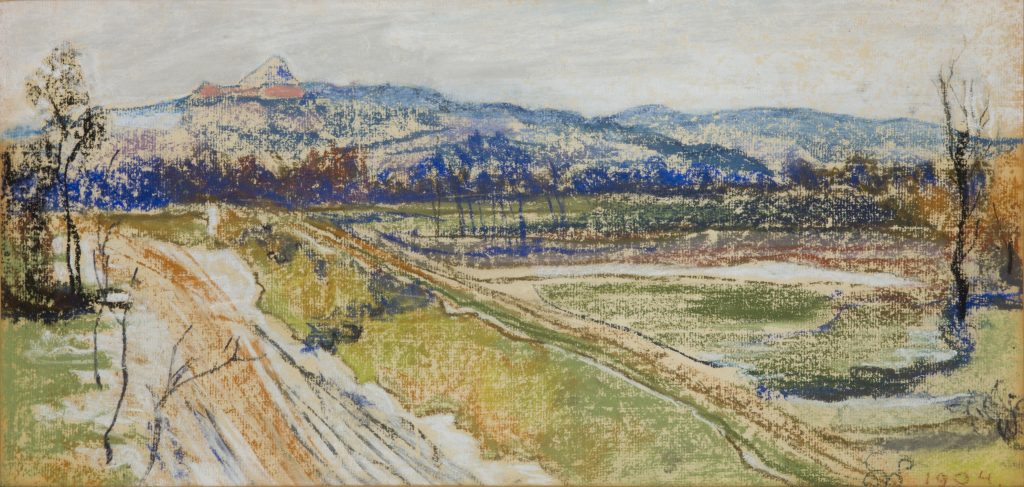
Łączyła ich więź przyjaźni, wspólnej pracy i rywalizacji; obaj studiowali razem w Paryżu oraz wynajmowali mieszkanie. Ścieżka poprowadzi przez świat krakowskiego modernizmu, ukazując twórczość dwóch najwybitniejszych artystów Młodej Polski – Józefa Mehoffera i Stanisława Wyspiańskiego.



Ścieżka zwiedzania prowadzi przez trzy oddziały Muzeum Narodowego w Krakowie – Pałacu Książąt Czartoryskich, Arsenału oraz Domu Jana Matejki – ukazując, w jaki sposób sztuka przez stulecia budowała obraz państwa i pamięci narodowej.

He was a painter, graphic artist and designer; he explored new avenues in literature and experimented in theatre. You’ll find traces of Stanisław Wyspiański all over Kraków, as the artist had a direct influence on the way we see the city.