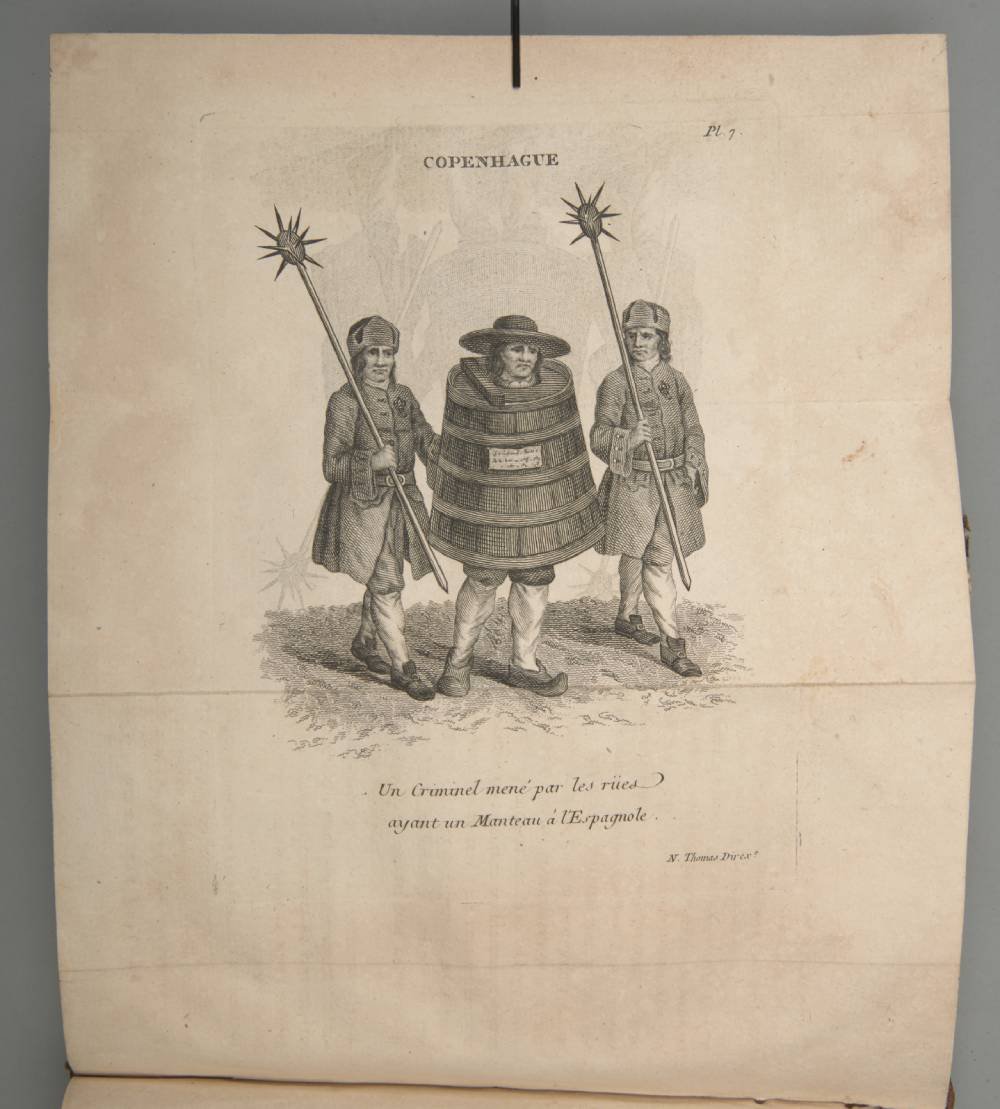
What was the Spanish coat (also Schandmantel) that a criminal had to wear walking down town roads? What punishments were used in Russia at the beginning of the 19th century? What did the hot iron trial by ordeal look like – Medieval method of determining whether one was guilty or not? What does the treatise Hammer of Witches published in Krakow in 1614 refer to?
We try to find answers to these and many more questions in the old books presented at the exhibition related to the broad topic of law, guilt, and punishment.
A person is subject to law throughout the whole life. The books gathered at the exhibition show a complicated and ambiguous nature of law and the way it was shaped and diversified throughout the centuries. They show the development of civil, criminal and church law in European countries and Poland, from the Middle Ages to the 19th century. Roman law, which significantly affected the development of European law, canon law and Polish law are represented by statutes, codes, and sets of rights.
79 books were presented, from the oldest incunables published as early as the end of the 15th century, to books from the first half of the 19th century, as well as 19 maps and atlases, showing the world and Europe from the 16th to mid-19th century. Among the collected works there are treatises, letters and legal elaborates, constitution acts and set books for students of law.
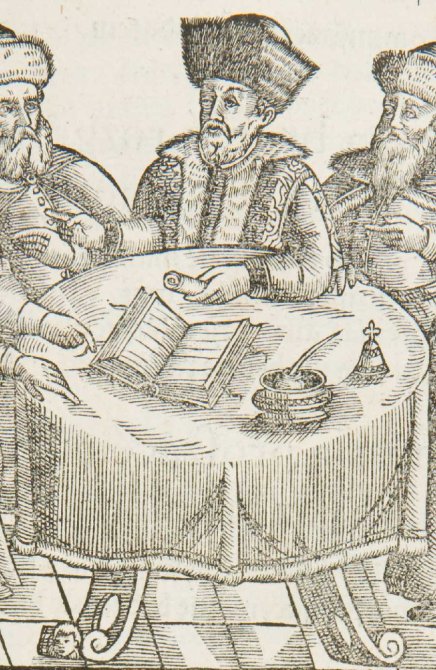
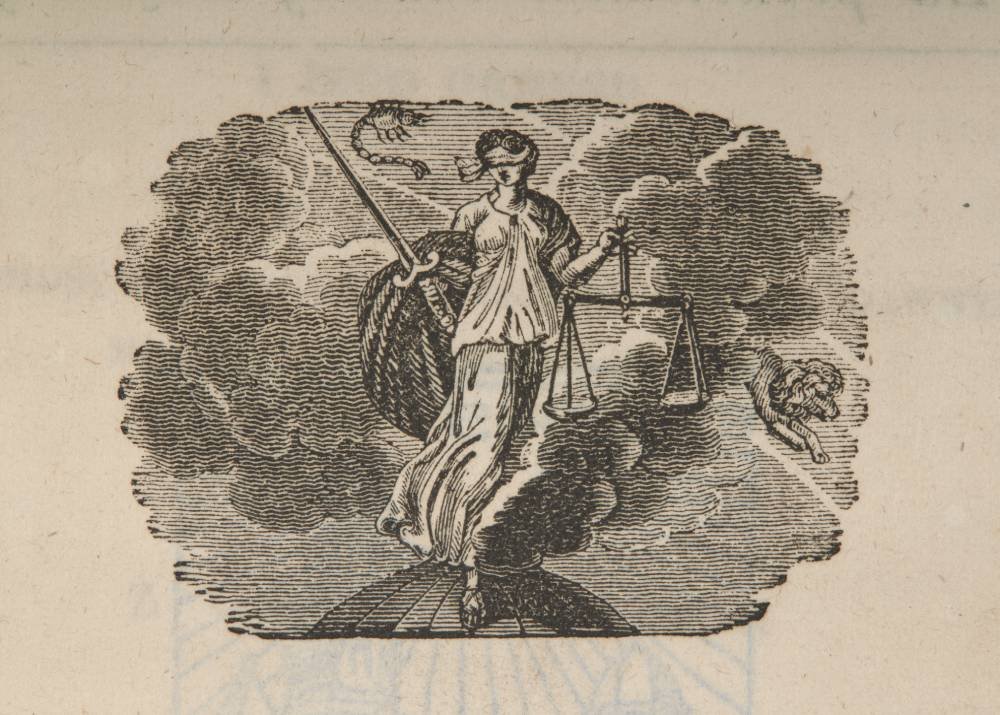
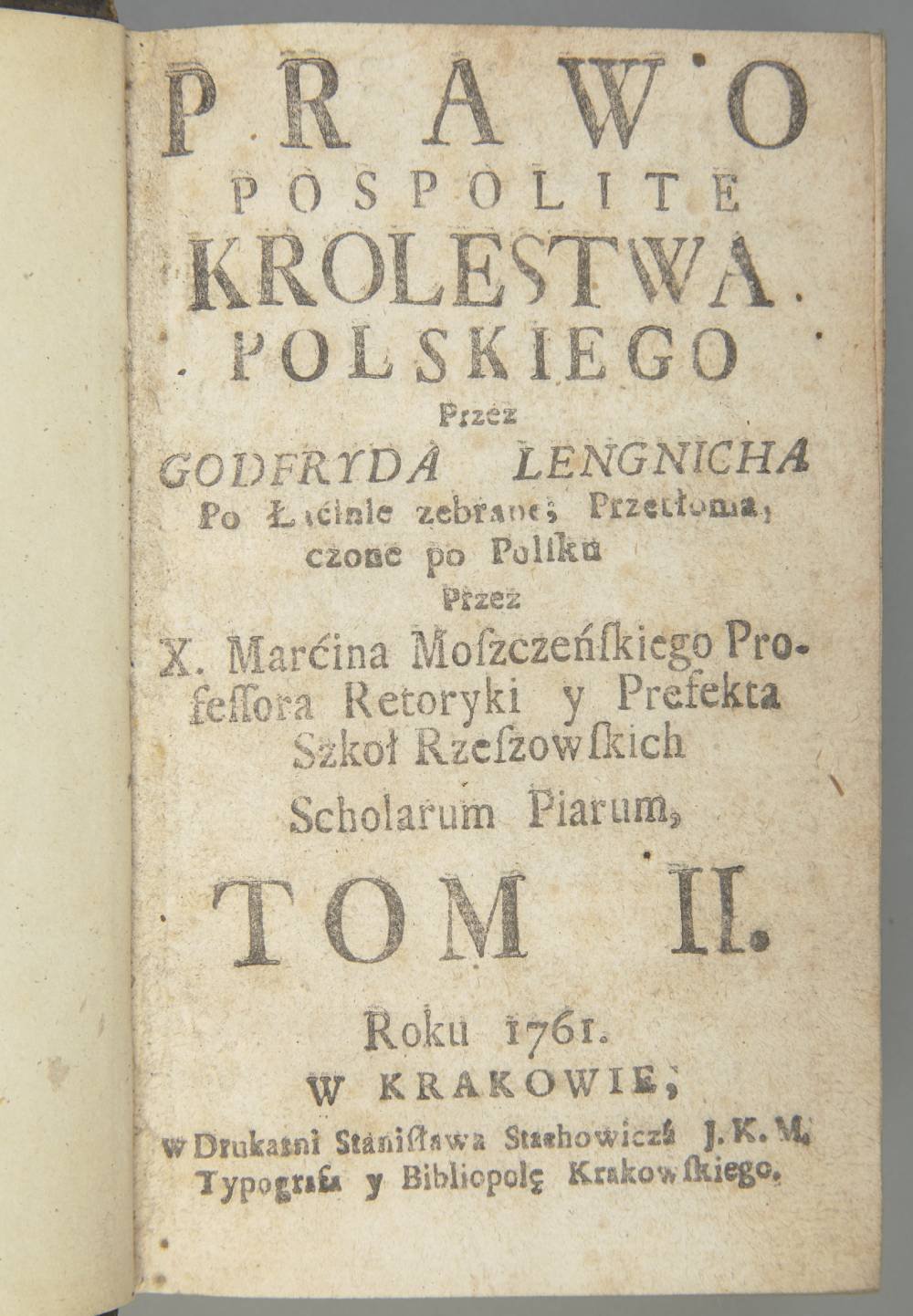
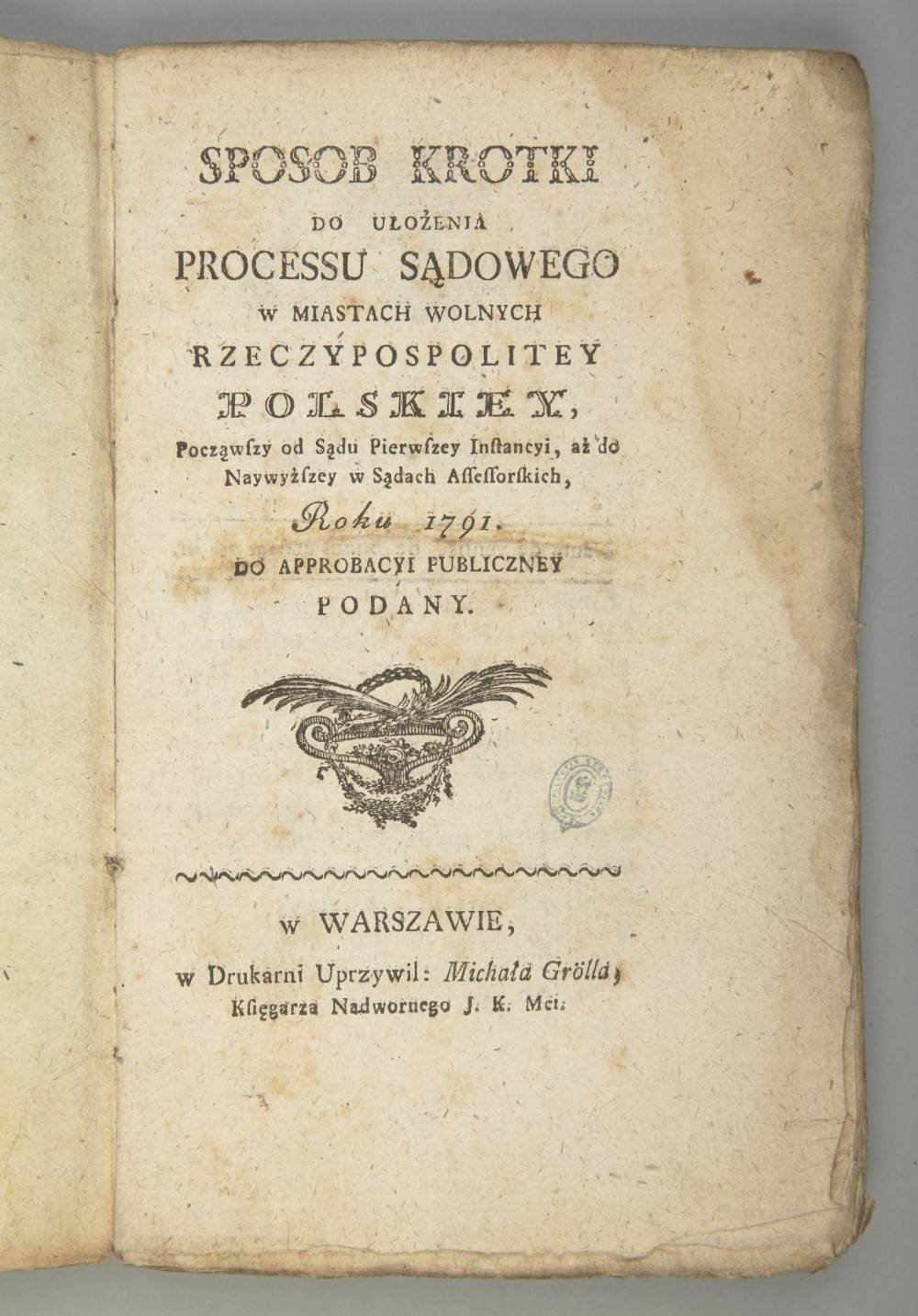
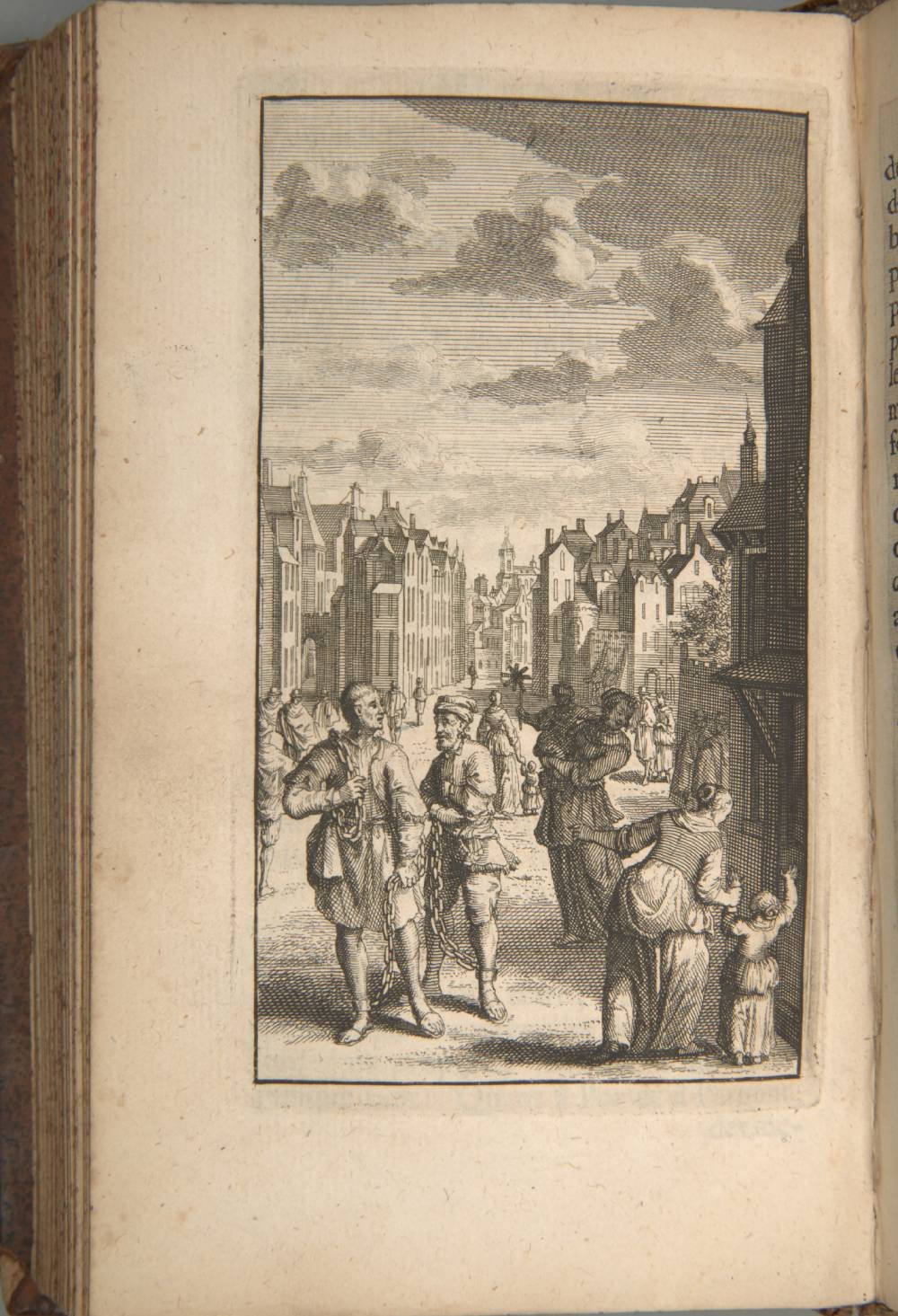
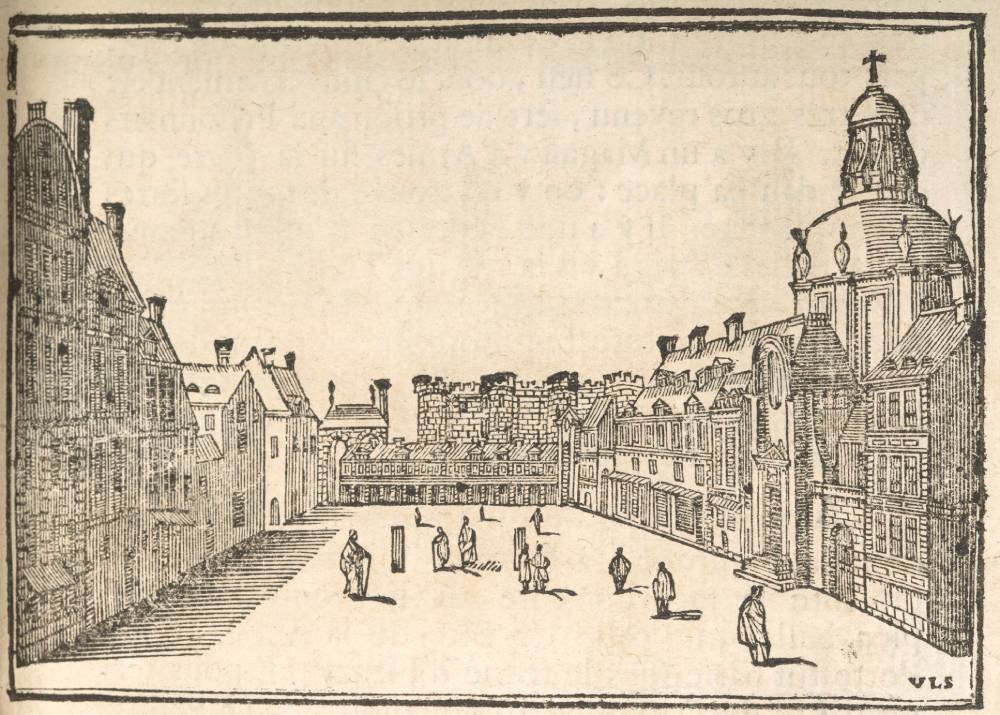
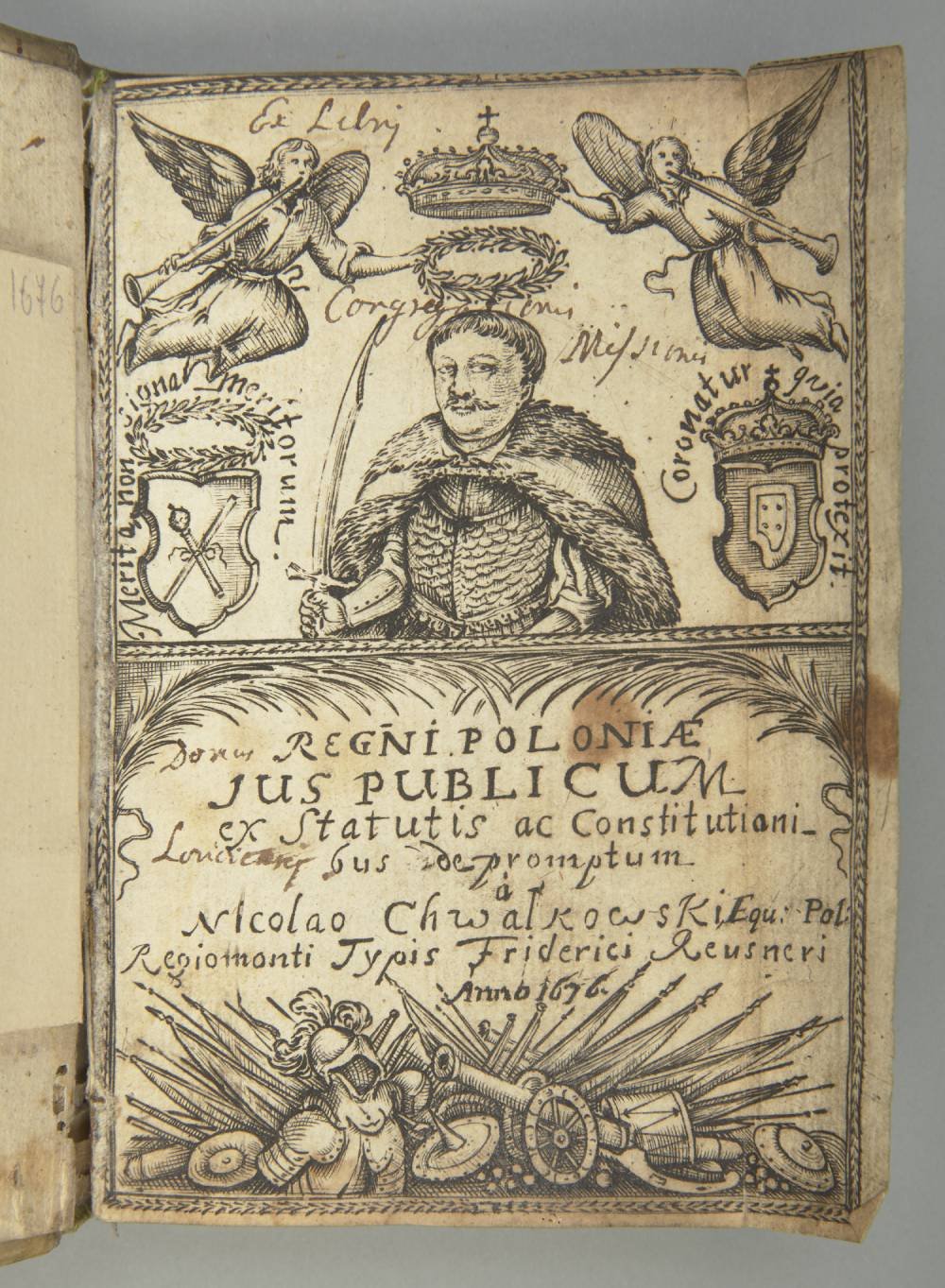
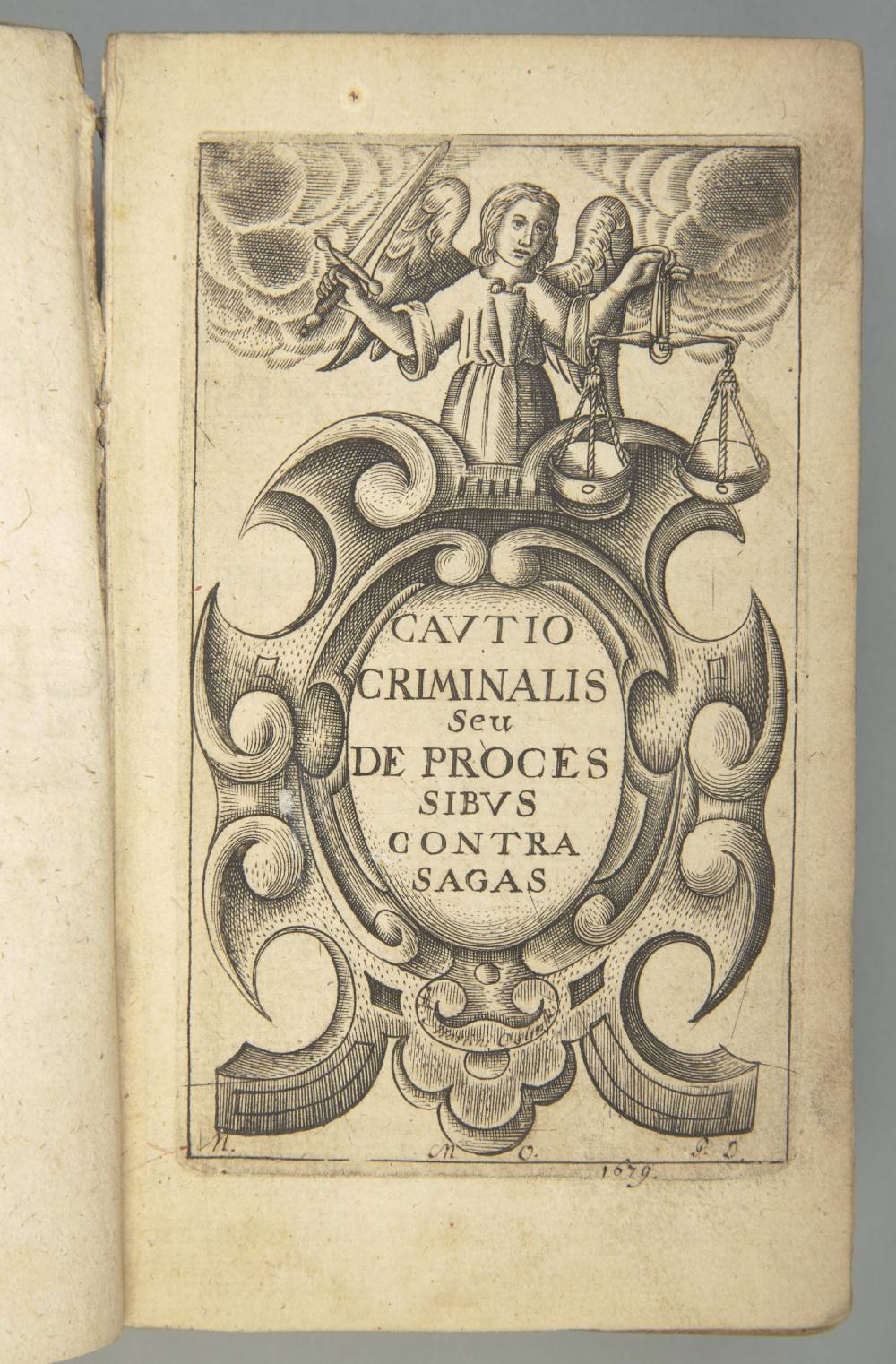
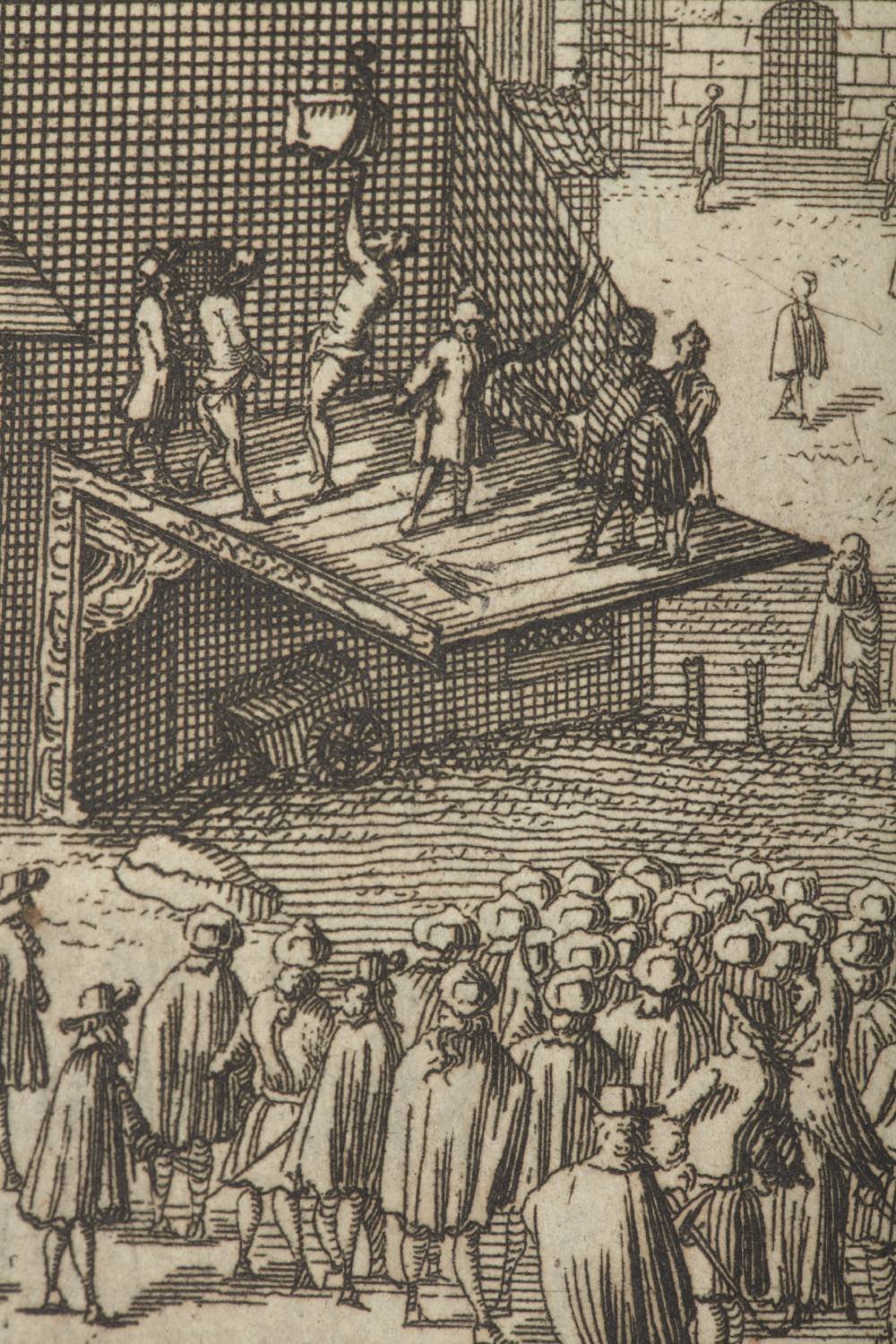
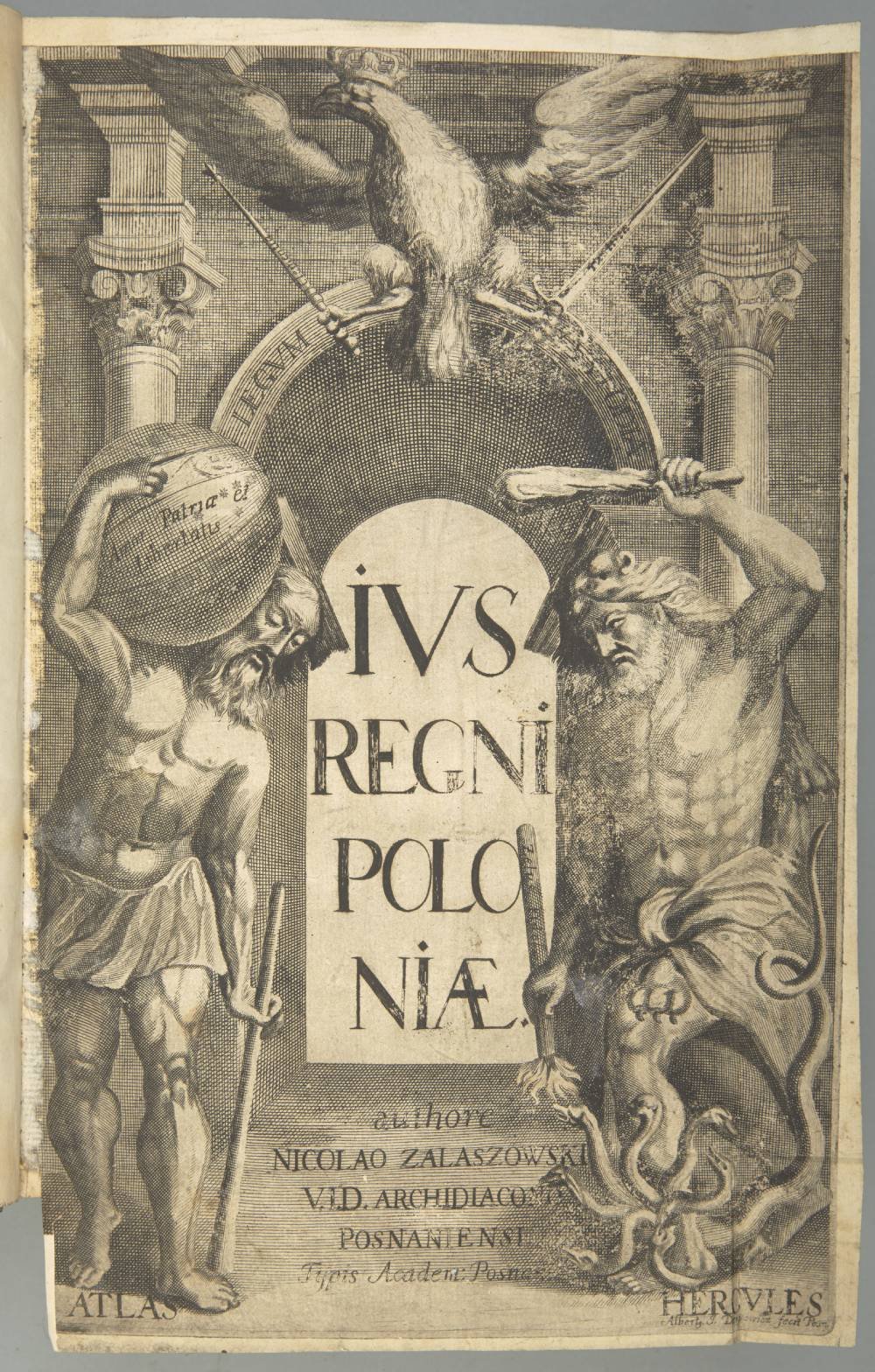
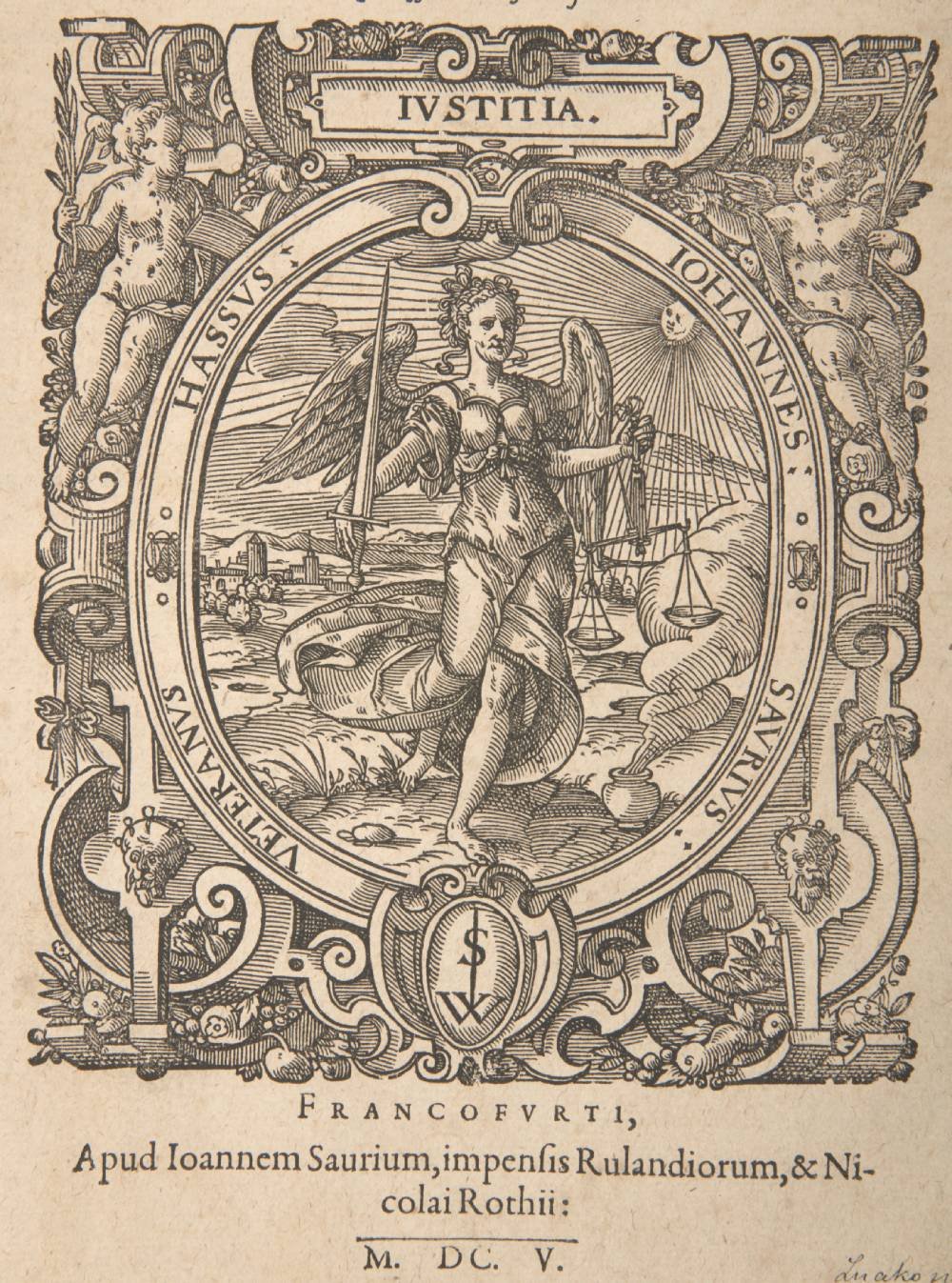
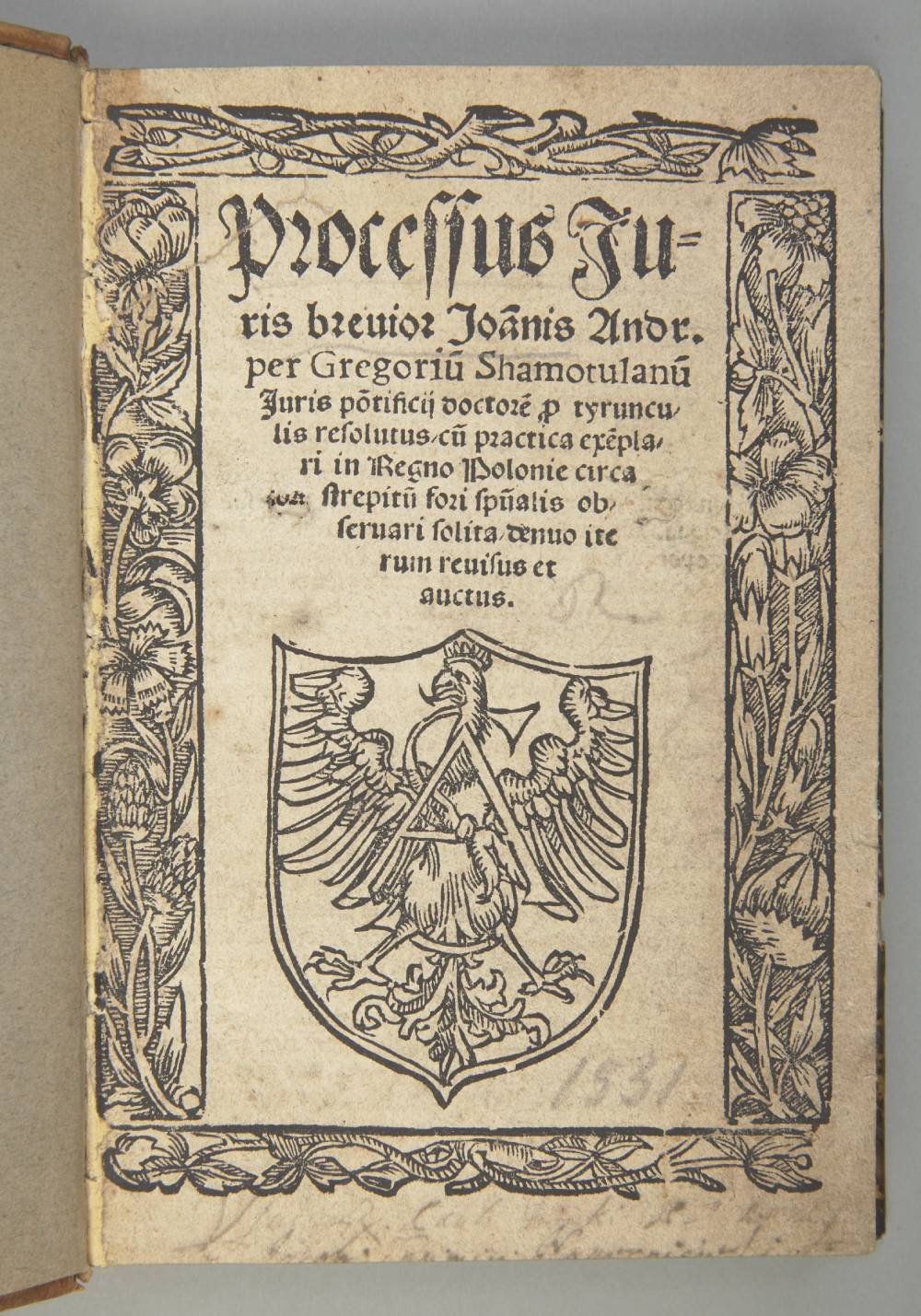
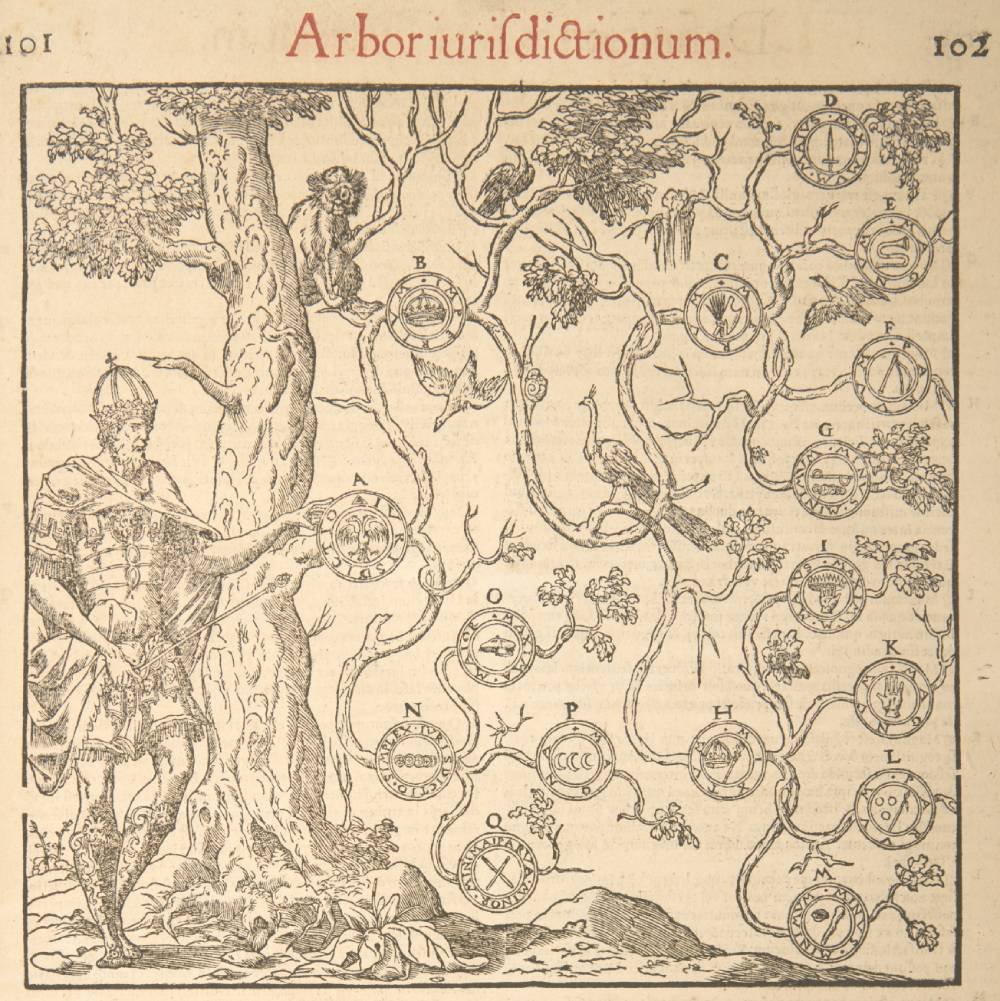
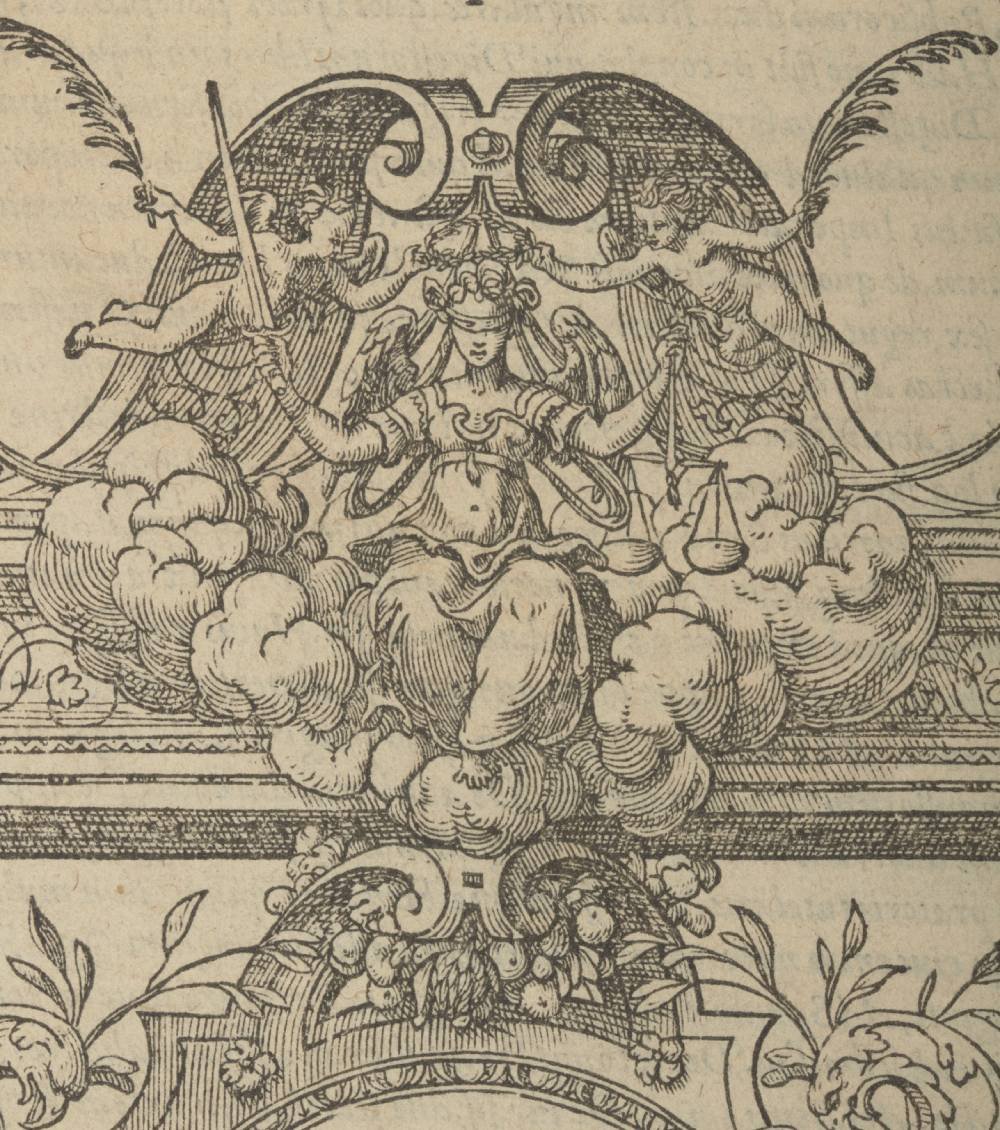
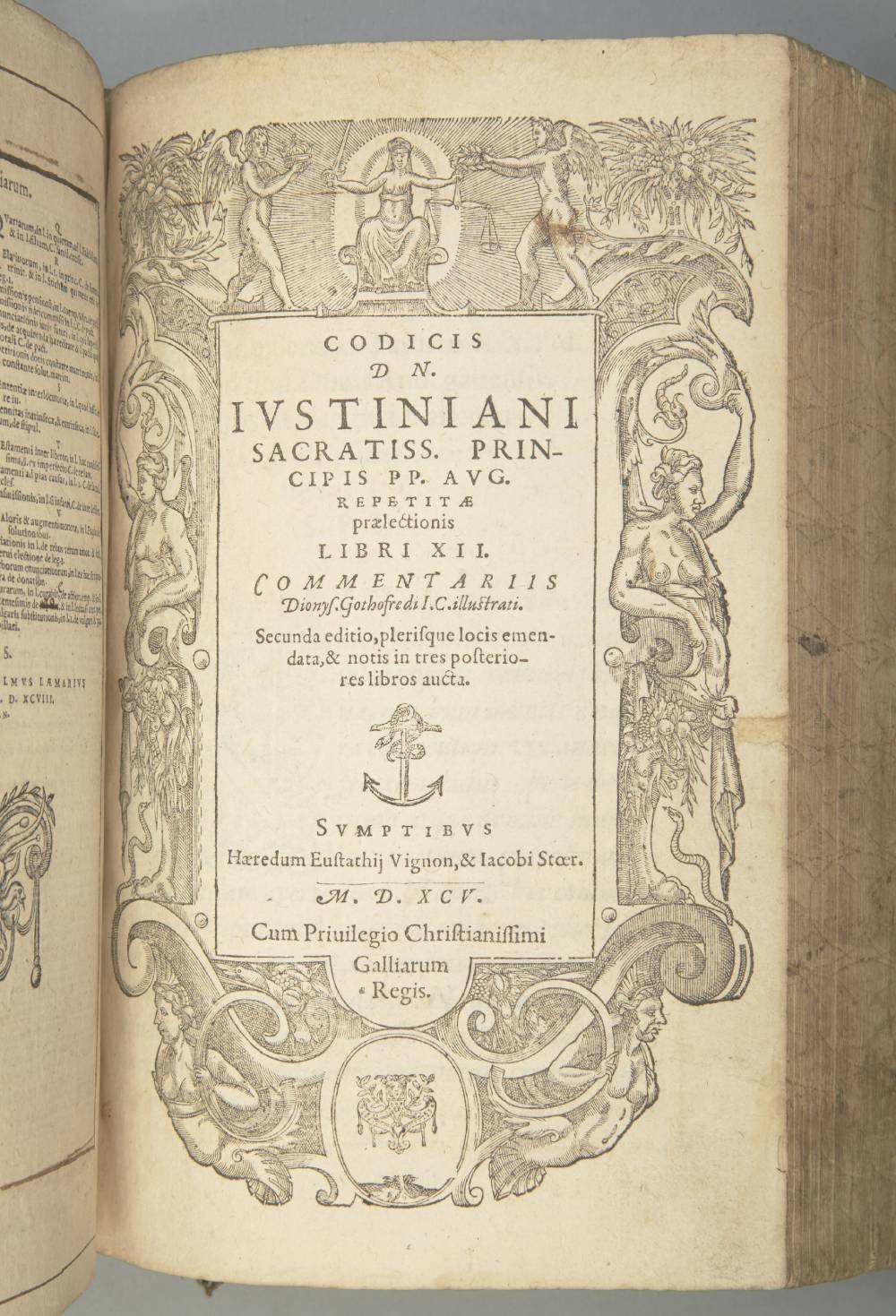
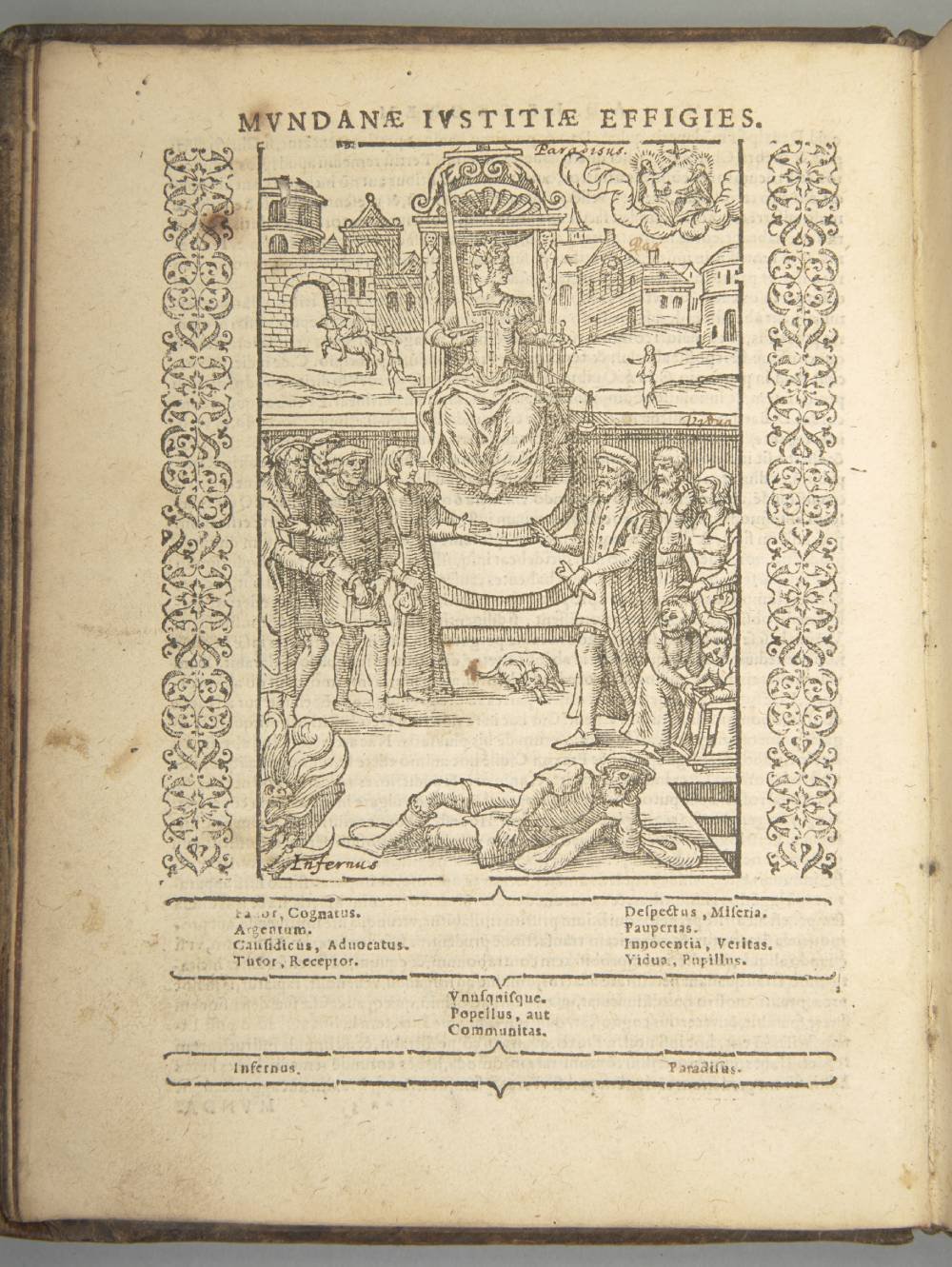
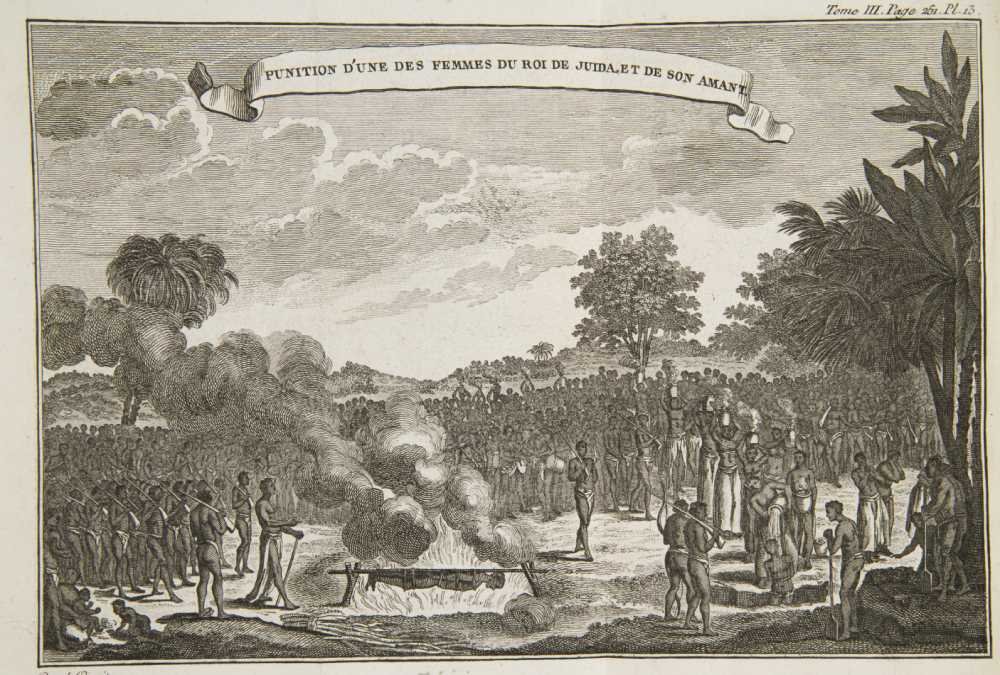
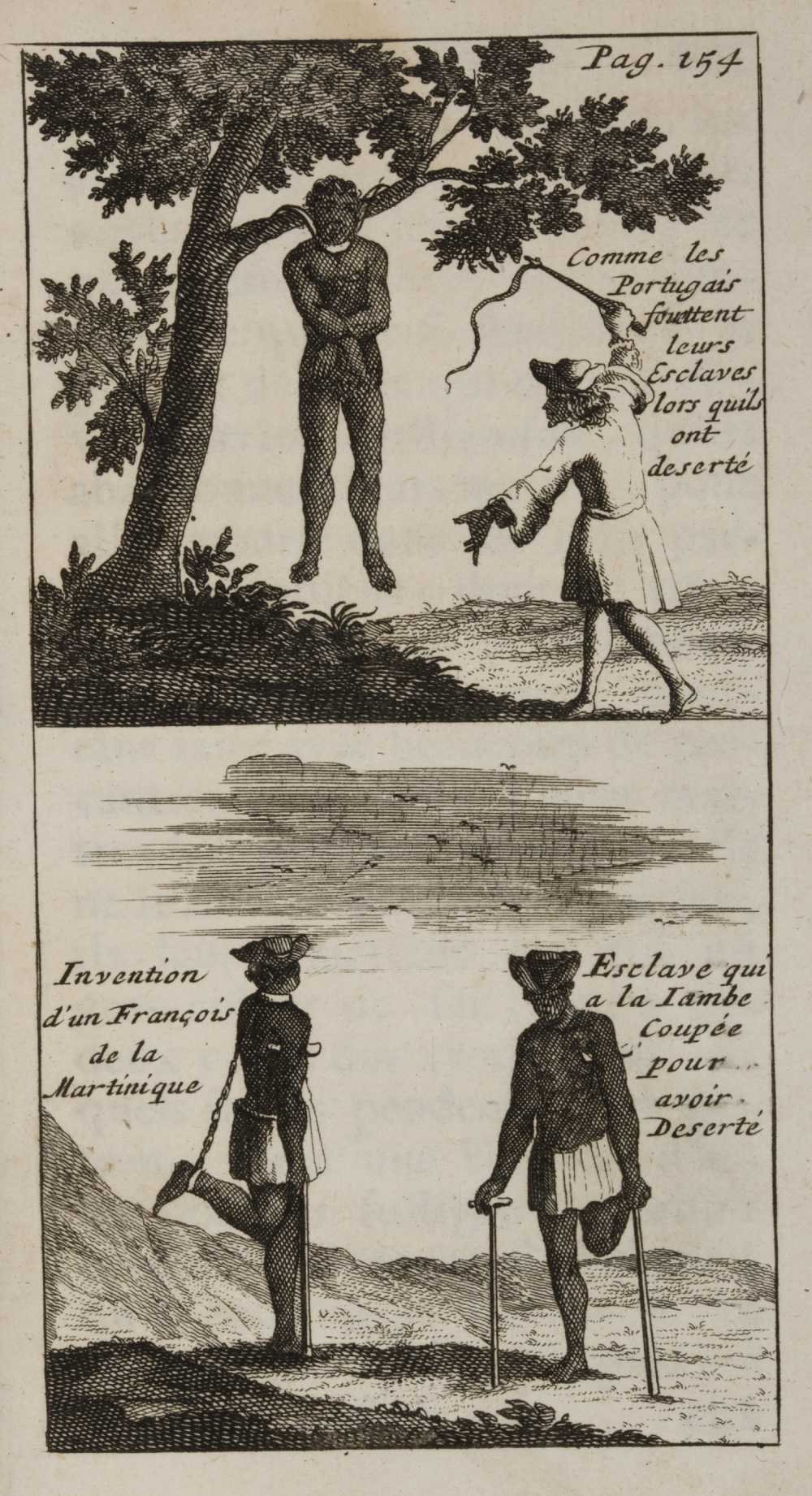
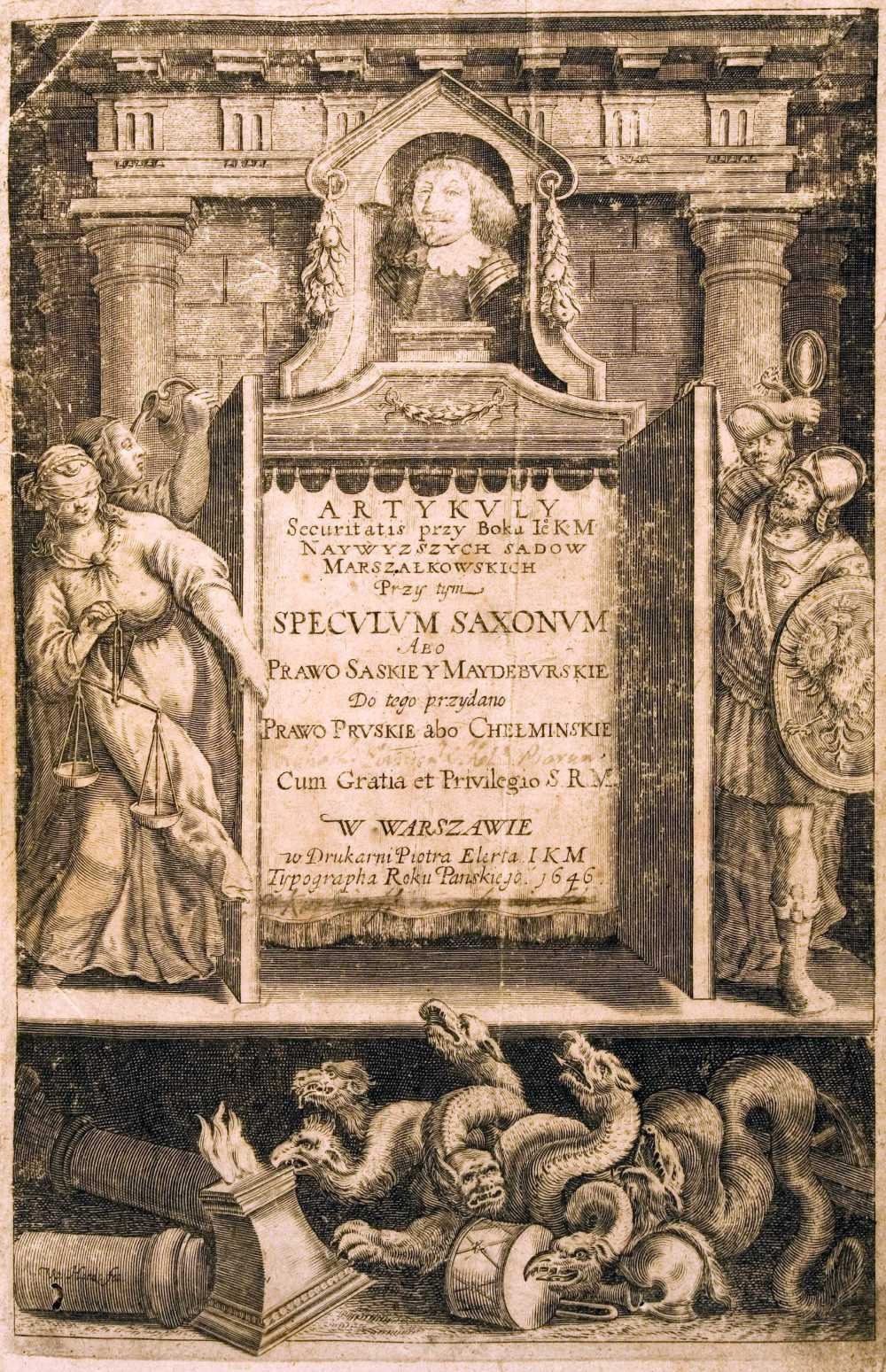
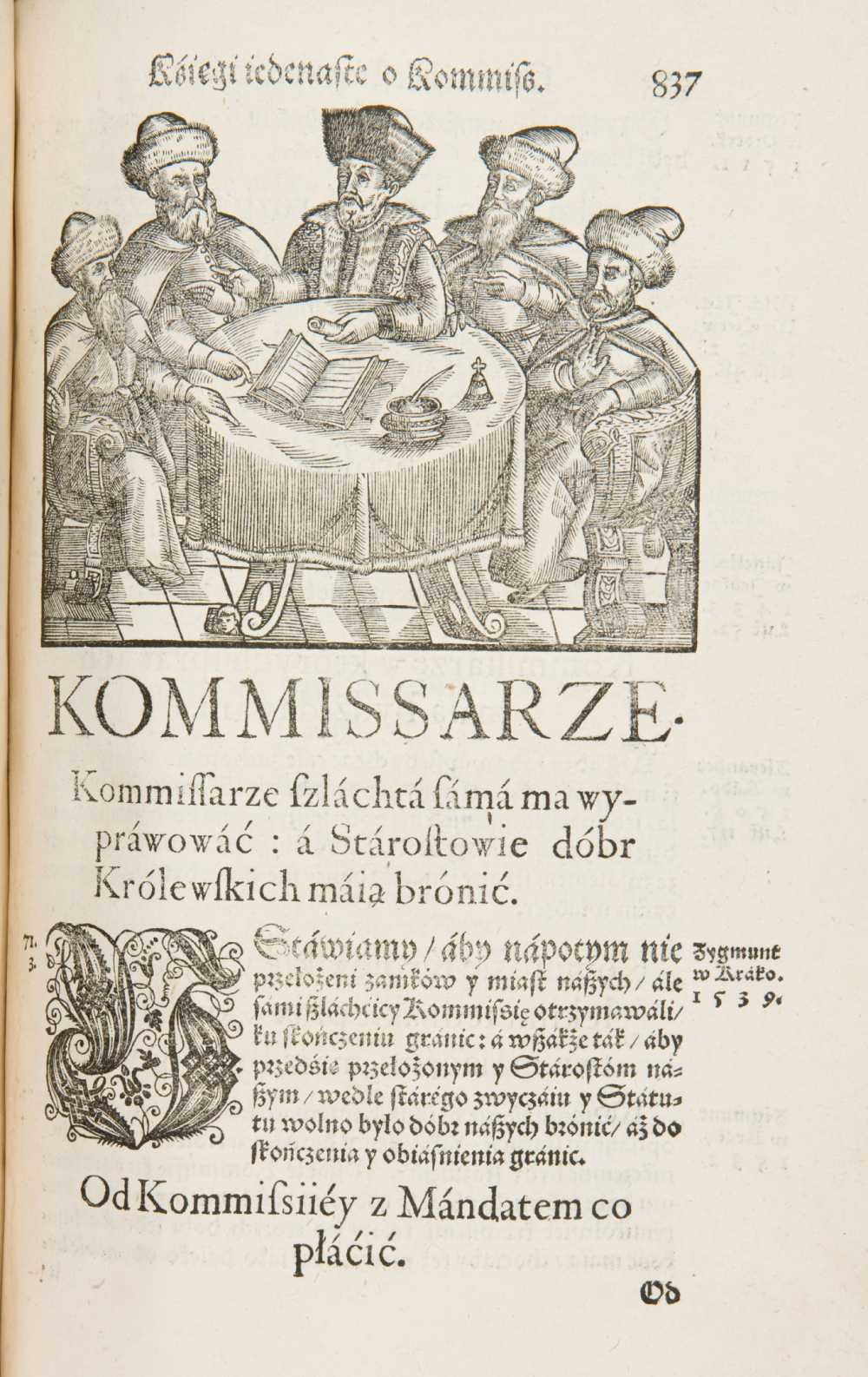
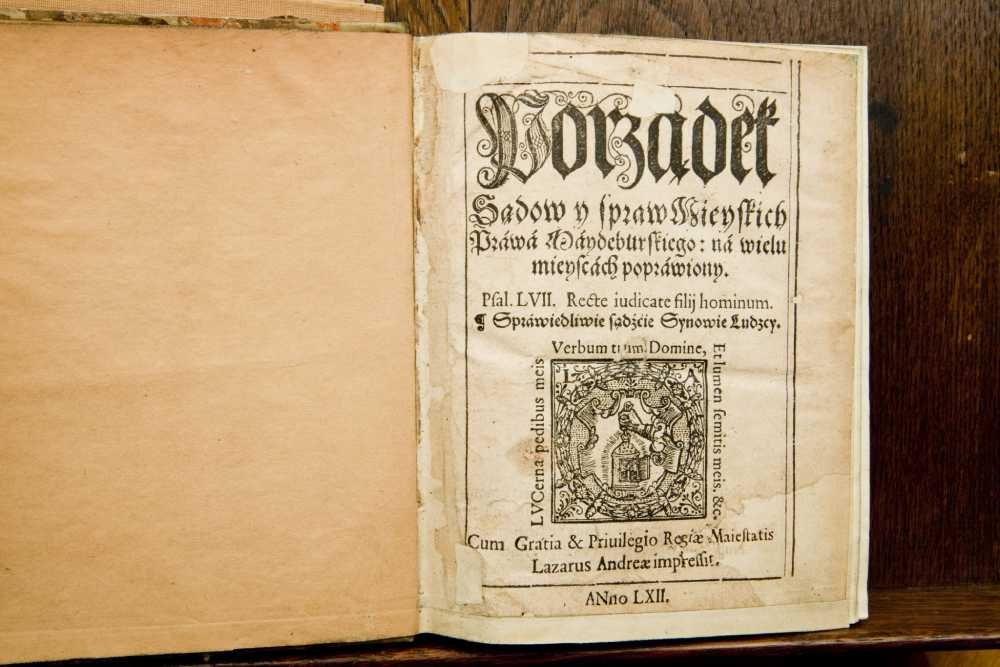
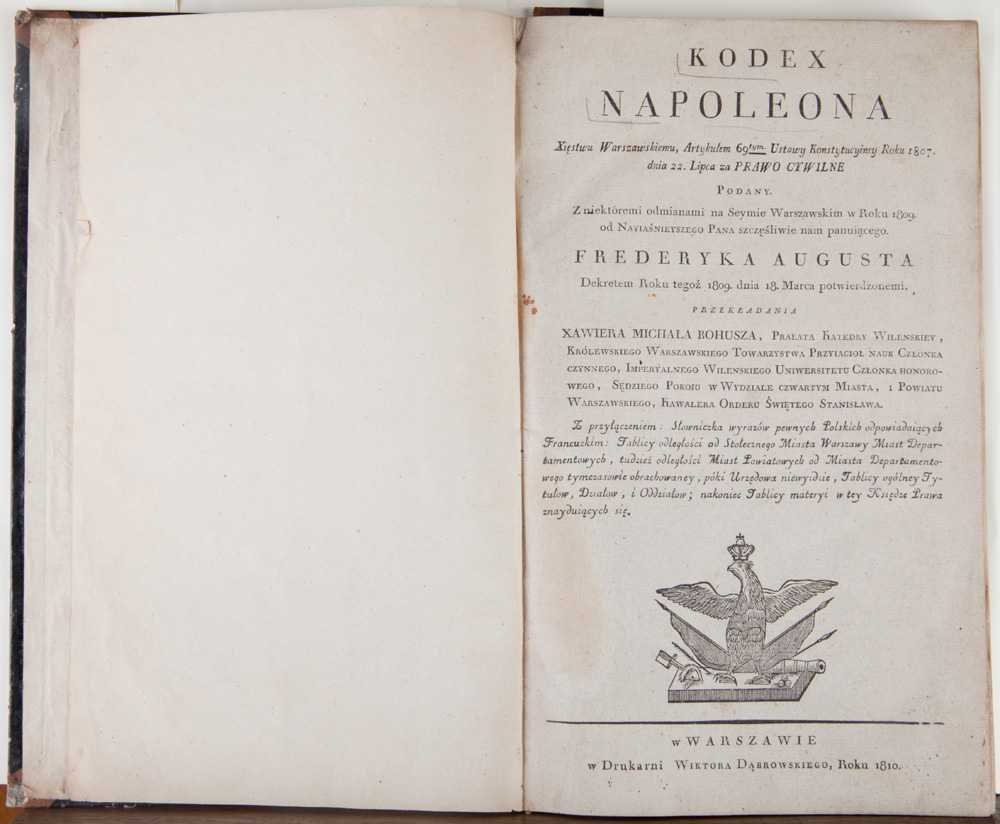
Karol Mecherzyński, O Magistratach Miast Polskich A W Szczególności Miasta Krakowa. Kraków, 1845, MNKKarol Mecherzyński, O Magistratach Miast Polskich A W Szczególności Miasta Krakowa. Kraków, 1845, MNKGottfried Lengnich, Prawo Pospolite Krolestwa Polskiego. W Krakowie, 1761, MNKSposob Krotki Do Ułożenia Processu Sądowego w Miastach Wolnych Rzeczypospolitey Polskiey […] Roku 1791. w Warszawie, MNKThomas More, L’Utopie. A Leide, 1715, MNKClaude-Marin Saugrain, Les Curiositez De Paris, De Versailles, De Marly, De Vincennes, De S. Cloud, Et Des Environs. A Paris, 1716, MNKJohn Howard, État Des Prisons, Des Hôpitaux Et Des Maisons De Force. A Paris, 1791, MNKMikołaj Chwałkowski, Regni Poloniae Jus Publicum. Regiomonti, 1676, MNKFriedrich von SPEE, Cavtio Criminalis, Seu De Processibvs Contra Sagas Liber. Posnaniae, 1647, MNKReinhold Curicke, Der Stadt Danzig Historische Beschreibung. Amsterdam und Dantzigk, 1687, MNKMikołaj Zalaszowski, Jvs Regni Poloniae. Posnaniae, 1720, MNKPlutarchus, Opera, Qvae Extant, Omnia Plvtarchi Chaeronei, Ethica Sive Moralia Complectentia. Francofvrti, 1605, MNKGrzegorz z Szamotuł, Processus Juris breuior. Cracouiae, 1531, MNKDigestvm Vetvs. Lvgdvni, 1562., MNKDigestvm Vetvs. Lvgdvni, 1562., MNKDenys Godefroy, Corpvs Ivris Civilis In IIII. partes distinctum. [Genevae], 1594-1595, MNKJoost de Damhouder, Praxis Rervm Civilivm, Antverpiae, 1596, MNKKara śmierci wykonana na kochanku i niewiernej małżonce władcy Whidah (Juida), królestwa w zachodniej Afryce na terenie dzisiejszego Beninu nad Zatoką Gwinejską – miedzioryt z historii podróży wydanej w latach 1780–1786, MNKKary wymierzane niewolnikom – miedzioryt w opisie francuskiej wyprawy do zachodnich wybrzeży Ameryki Południowej w latach 1695–1697, MNKMiedziorytnicza karta tytułowa dzieła prawniczego wydanego przez Pawła Szczerbica, polskiego prawnika, syndyka lwowskiego i sekretarza królewskiego, MNKWizerunki komisarzy z dzieła Stanisława Sarnickiego porządkującego obowiązujące prawo polskie – drzeworyt, MNKKarta tytułowa pracy Bartłomieja Groickiego zawierającej przepisy postępowania sądowego w sądach miejskich, MNKKarta tytułowa polskiego tłumaczenia Kodeksu Napoleona , MNK
MNK Czapscy
ul. Piłsudskiego 12, 31-109 Kraków
Informacje podane w tym formularzu zostaną wykorzystane wyłącznie w celu zapewnienia aktualizacji i personalizacji wysyłki newslettera.
Śledź nas w mediach społecznościowych!
Zapraszamy do świata pełnego inspiracji! Śledź nasze social media i zobacz, co przygotowaliśmy specjalnie dla Ciebie!