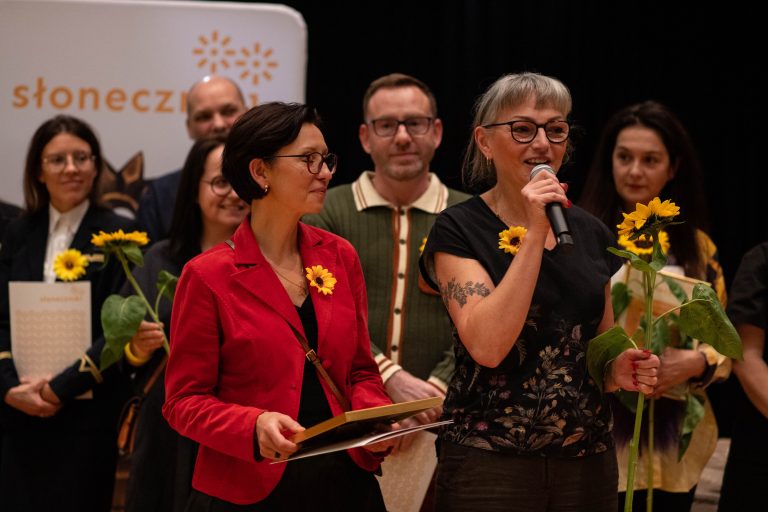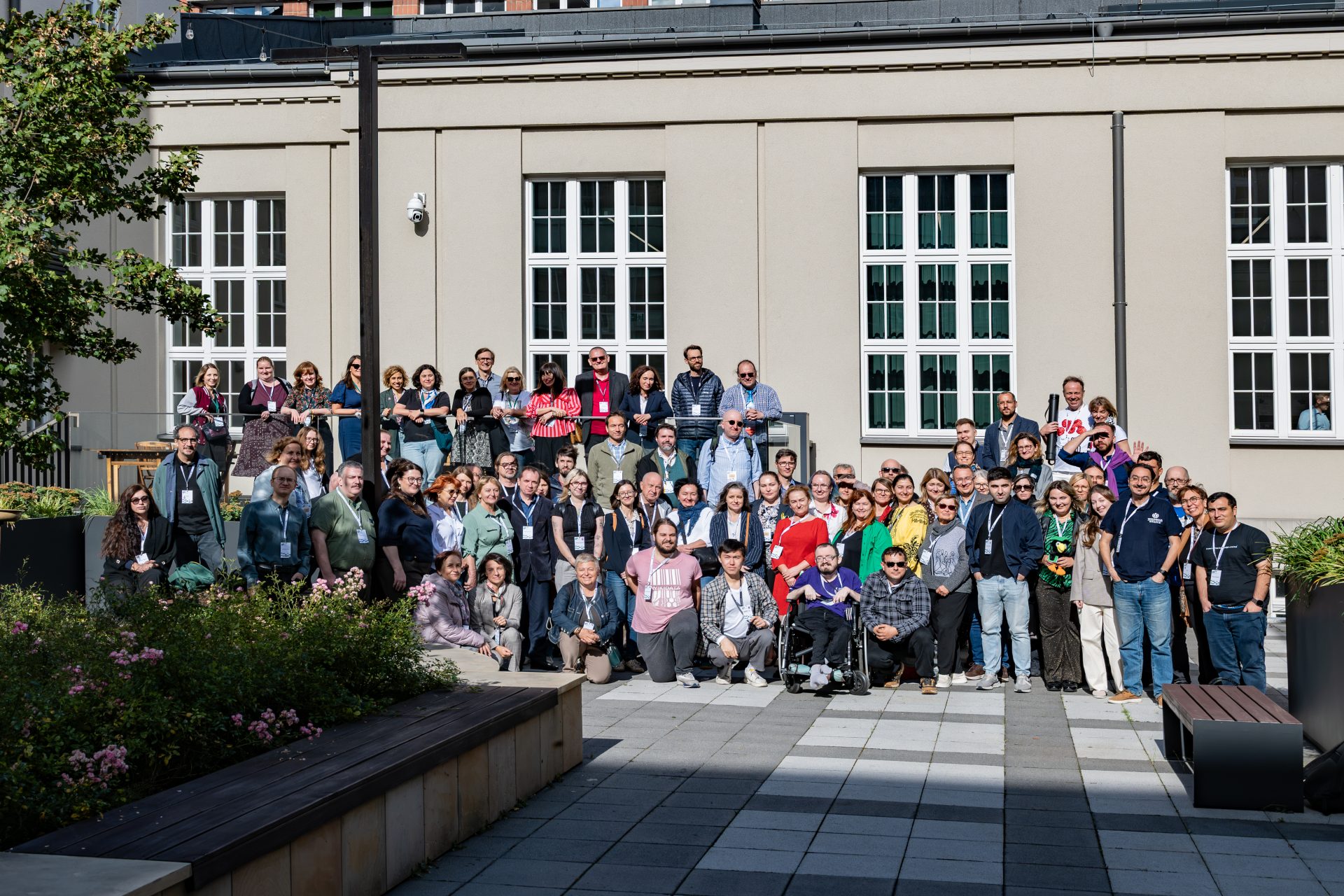
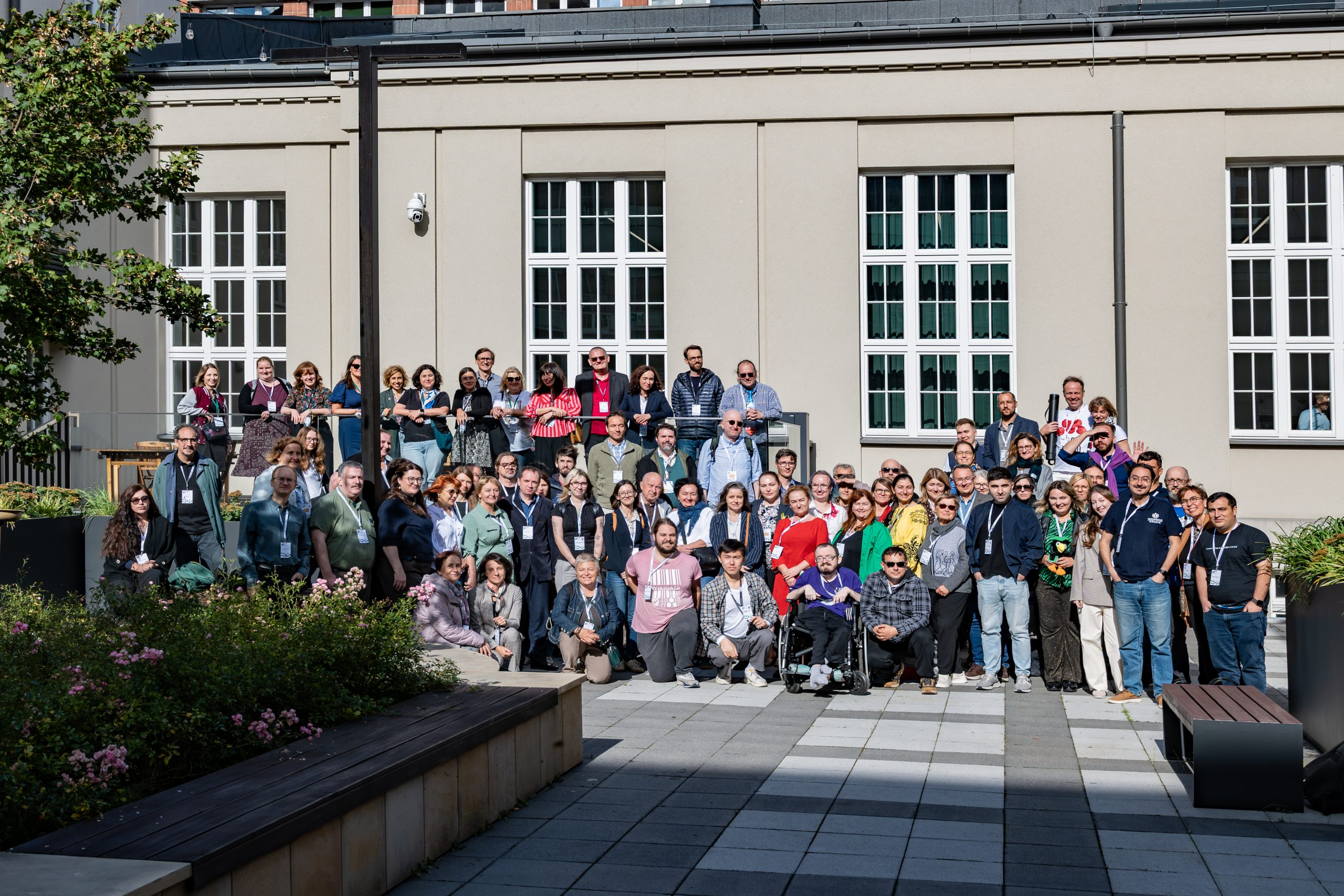
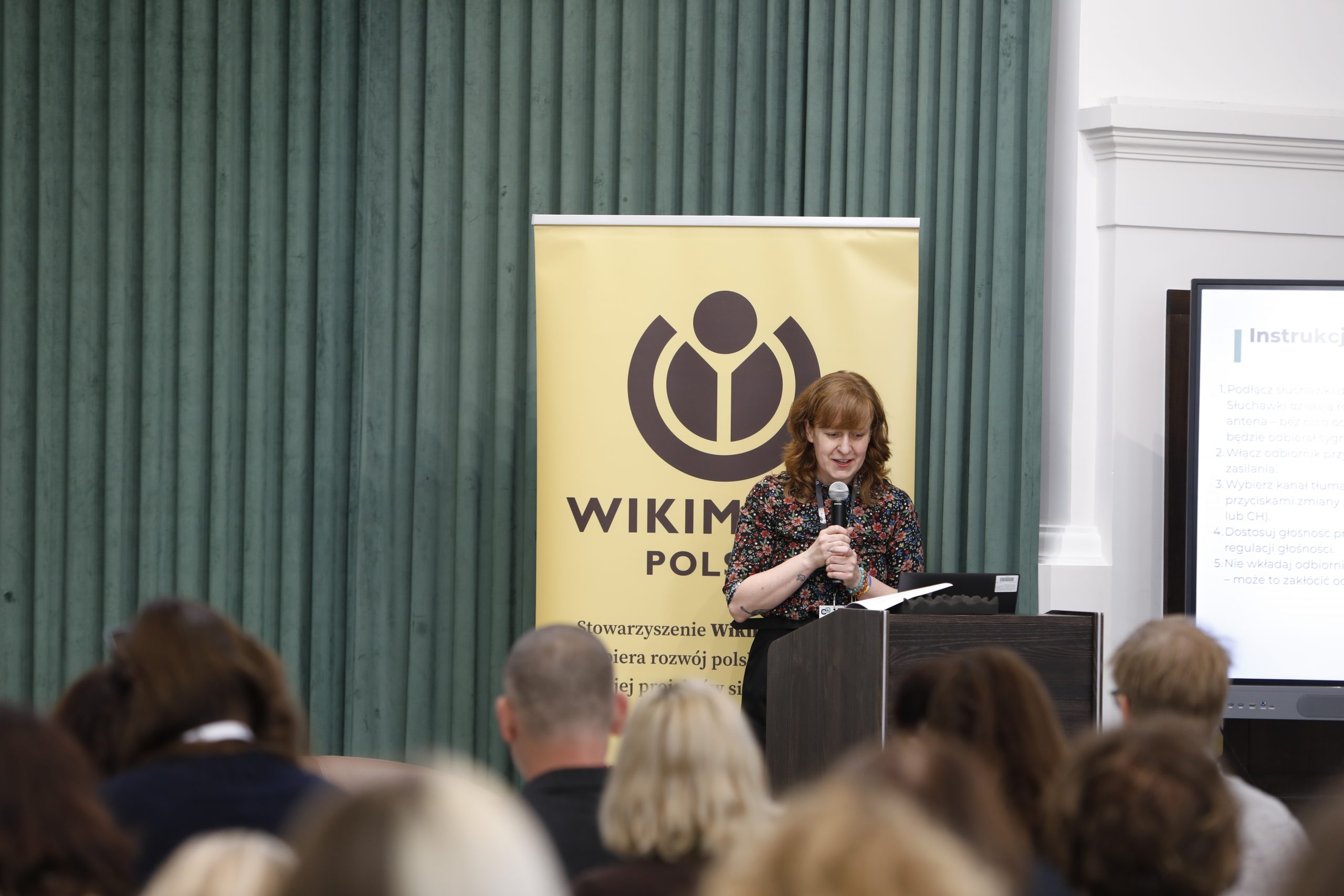
The Open Knowledge: Wikimedia & Research in the CEE Region conference in Katowice was an event organised by Wikimedia Polska and Wikimedia Ukraine, in collaboration with the University of Silesia, with the support of the Wikimedia CEE Hub, and funded by a grant from the Wikimedia Foundation. The conference’s thematic sessions focused on research and projects related to Wikimedia in academia and the GLAM-Wiki sector. The event was hybrid in nature, with most of the programme streamed live on Wikimedia Polska’s channels.
Attendees’ focus centred on the Central and Eastern European region and the links between the activities of the Wikimedia community and academic institutions. The presentations highlighted the potential for development and best practices in the field of open science, based on digital repositories and research work using Wikidata.
Discussions centred on tools for automating work with digital resources, the presence of academic institutions and libraries on Wikipedia, and the usefulness of the platform for specialists across various disciplines. Attention was drawn to developments in the era of artificial intelligence and multiple crises (e.g. the issue of vandalism on Wikipedia in connection with armed conflicts, and the opportunities and challenges facing Wikipedia in indigenous languages). A strong focus on people and the community ran through the discussions and conclusions – remaining at the centre of attention, regardless of other digital trends.
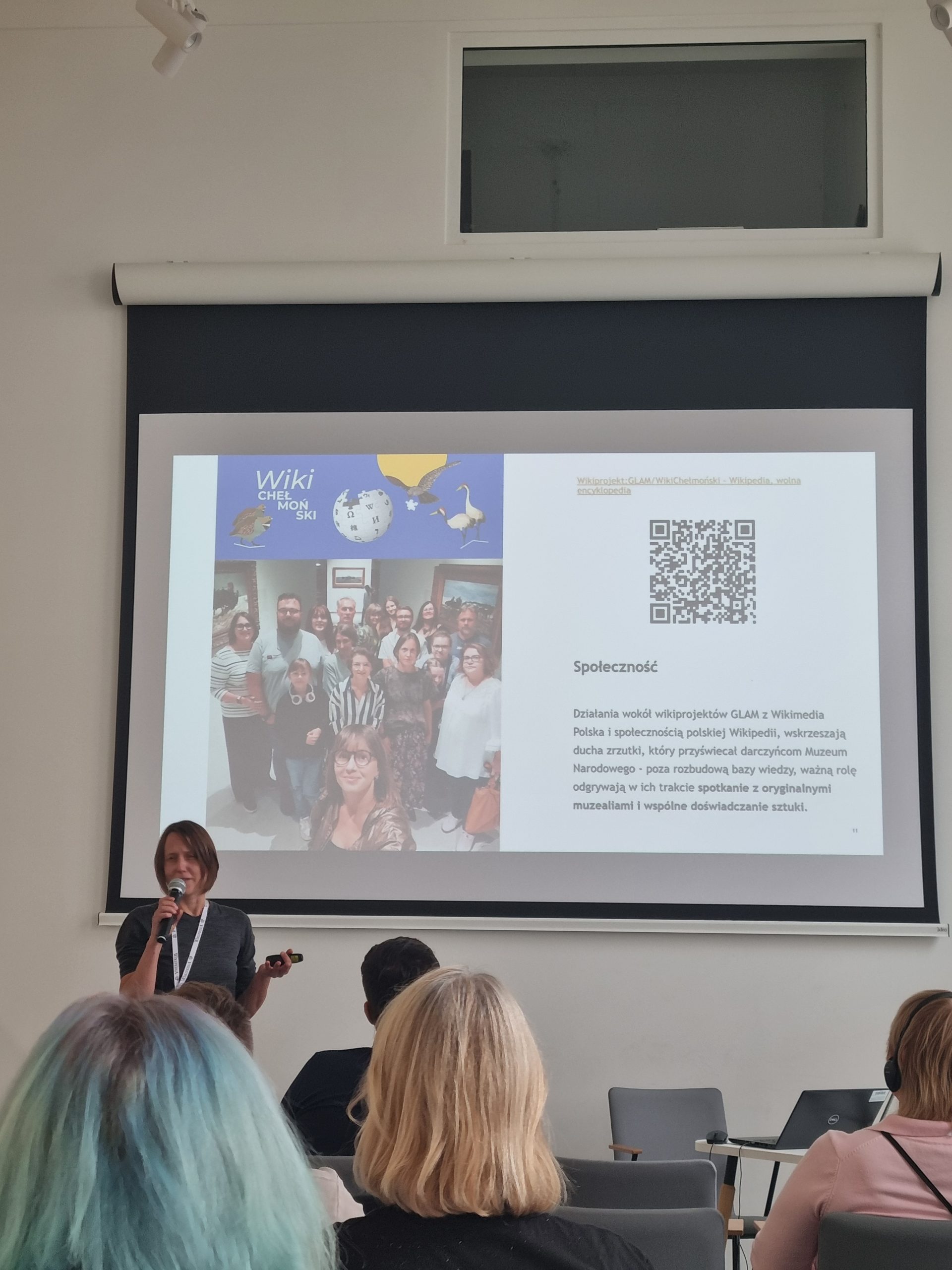
The MNK’s presentation focused on examples of activities within the GLAM/MNK wiki project, including the wiki residency at the MNK Czartoryski Library and the WikiChełmoński project, in which the development of content on Wikipedia and Commons supported the universal digital accessibility of the collections. The first example demonstrates that Wiki-related activities can become a significant component of a project funded by the European Union, whilst the second shows that an editing initiative can appeal both to ‘enthusiasts’ within the Wiki community and to the committee awarding the Sybilla museum prizes (WikiChełmoński was one of many elements of the project for which three museums received a special award in 2026: the National Museum in Warsaw, the National Museum in Poznań and the National Museum in Kraków).
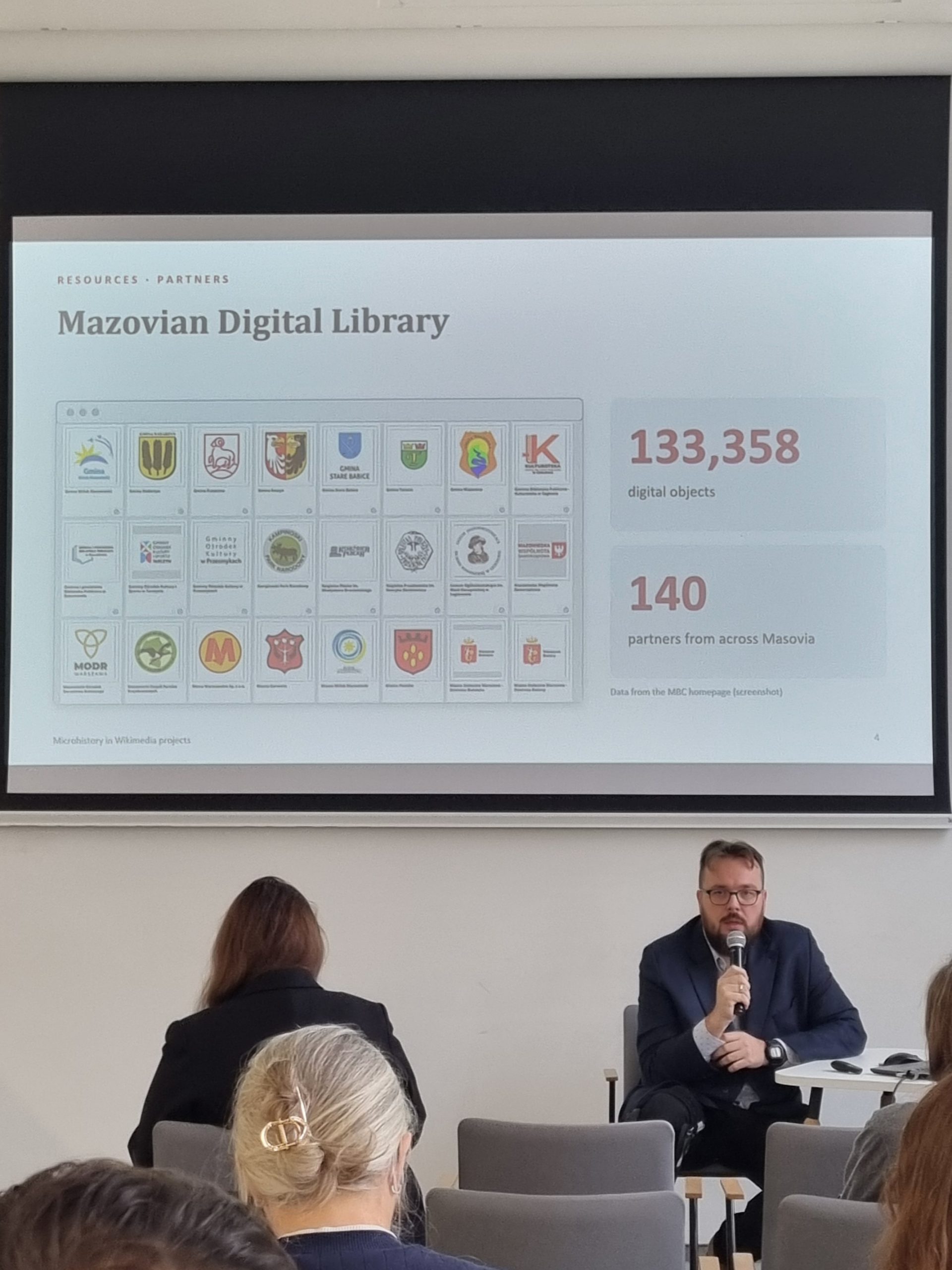
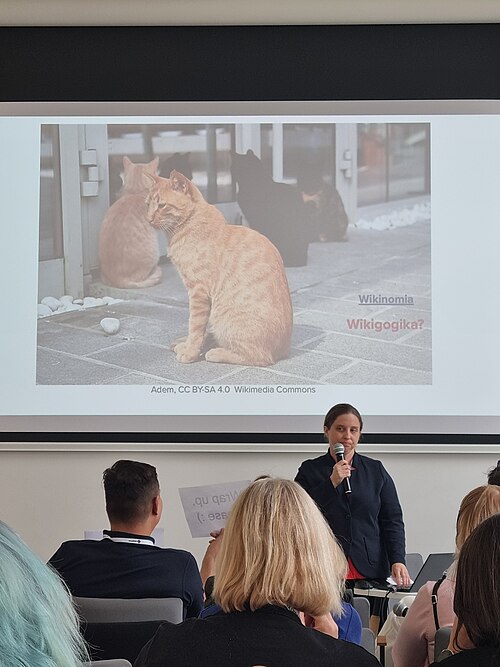
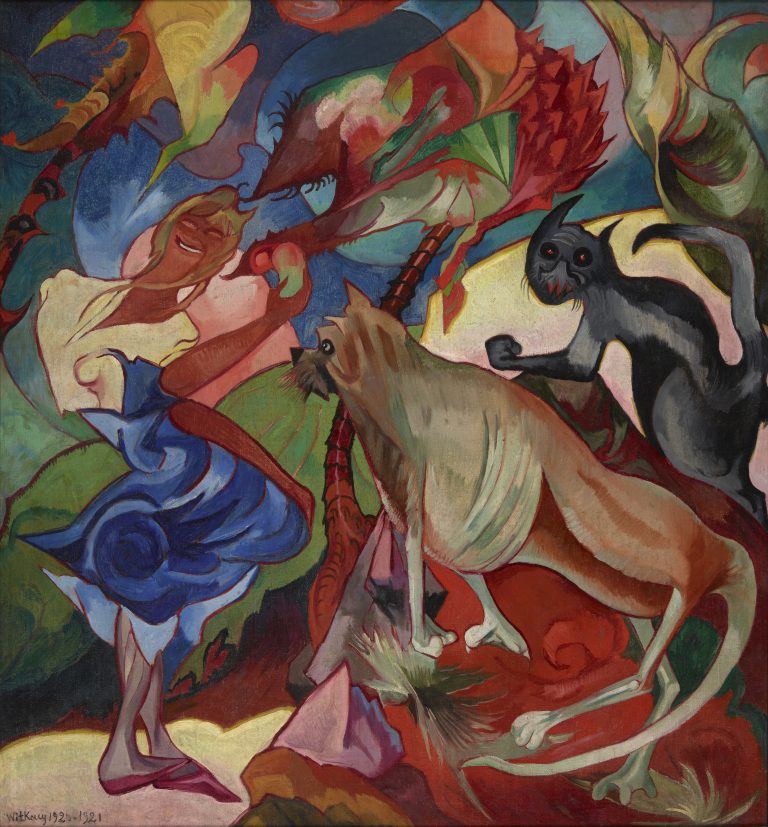
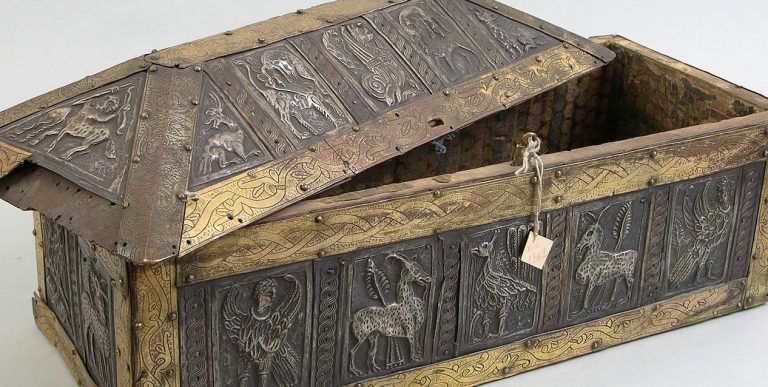
The announcement of the upcoming project, planned for early 2027, met with great interest from conference participants – WikiDante is an editing campaign linked to the exhibition In Dante’s Mirror: Temptation and Warning at the National Museum in Kraków. The WikiProject will be inspired primarily by works from the National Museum in Kraków’s collections that are in the public domain, digital reproductions of which will be uploaded to Wikimedia Commons. These will include, amongst others, graphic works by Bruno Schulz, Witkacy, Francisco Goya and Jacek Malczewski, as well as historical objects ranging from coins and gold artefacts to examples of traditional crafts and technology (globes, clocks) and even artefacts of a magical nature (Alrauna/Mandragora).
The new project has been received within the Wikimedia community as a sign of an interesting editorial challenge, but also as a significant event for the Wikipedia community: as part of the initiative, a meeting at the exhibition with the curator and catalogue editor, Światosław Lenartowicz, and a joint online editing session with a webinar have been announced.
Wikidata is a tagging system: a global, standardised system of unique identifiers (URIs) and a knowledge base built upon this content. It describes objects regardless of data format or file type. Wikidata is a database of so-called Linked Open Data. Wikidata can be, and is, used as a ‘shared dictionary’ for the whole of Europe, addressing common database challenges: multilingualism and the ambiguity of entries.
Humanities projects are beginning to benefit from infrastructural collaboration with Wikidata. The European Literary Bibliography (literarybibliography.eu), a website co-created by the Institute of Literary Research of the Polish Academy of Sciences and the Institute of Czech Literature of the Czech Academy of Sciences, combines traditional library and bibliographic approaches with a modern approach to open academic communication.
The National Museum in Kraków, in collaboration with Wikimedia Polska, is making substantial, albeit selected, parts of its digitised collections available on Wikimedia Commons and Wikidata. This is made possible by a wiki residency at the MNK Czartoryski Museum, which forms part of the MNK Czartoryski Library – extension and refurbishment of the National Museum in Kraków branch project, involving the publication by the wiki resident of a series of new articles on Wikipedia relating to the scans and photographs of the Museum’s collections uploaded to Commons.
Some of this work is not immediately apparent and involves, amongst other things, improving accessibility through the introduction of alternative descriptions and translations. Thanks to the support of the Wikimedia community, various types of automation are possible, ensuring that the metadata for reproductions made available by the National Museum in Kraków is consistent with the object records in our digital collections. Activities in the field of Wikidata can, amongst other things, assist in training algorithms to recognise handwriting. This is significant given the number of pages in the books and documents held in the MNK Czartoryski Library’s collection.
As part of the project The MNK Czartoryski Library – extension and refurbishment of the branch, the systematic digitisation of further batches of the Library’s priceless book collection is underway. Materials of particular historical significance have been selected for the digitisation process. The photographic studio has received the Sieniawski correspondence and the so-called Naruszewicz Papers, that is, a collection of various royal documents compiled in the second half of the 18th century, during the reign of Stanisław August Poniatowski – these materials, hand-copied at the time, served as the prototype for today’s knowledge base and preserved information to which we will soon have convenient online access.
Wikidata formats are also used by international platforms publishing content related to culture and heritage, such as Europeana. Wikidata is utilised in digital solutions based on artificial intelligence, including AI4Culture, where a large proportion of the AI’s experimental tasks involves reading historical manuscripts, taking into account the specific characteristics of the scanned sources.
Importantly, despite the possibility of automation, the editing and creation of Wikidata is subject to human verification in the final stages before publication. This aspect is by no means a trivial matter, and it is worth reiterating this every time: Wikipedia is a medium created by and for people, just like museums – a fact that cannot go unmentioned a few days after the 147th anniversary of that memorable 7 October, when a certain painter decided to speak out during the celebrations of another anniversary.
The WikiDante initiative, planned for early 2027, will be accompanied by events at the museum and online: a special guided tour of the exhibition and a collaborative editing session. As part of the programme accompanying the exhibition, we will invite you to a meeting with the curator to discuss how a unique cultural event such as this exhibition can make a lasting and useful contribution to the open knowledge ecosystem.

Project “The Czartoryski Library – extension and refurbishment of a branch of the National Museum in Kraków” is co-financed by the European Union from the European Regional Development Fund under the European Funds for Infrastructure, Climate and Environment Programme 2021–2027, PRIORITY VII: Culture, Area 1: Development of cultural infrastructure (listed and non-listed). Implementation period: March 2024 – March 2028 | Total project cost: PLN 56,194,788.50 | Funding from the European Regional Development Fund: PLN 37,181,150.41 ||| #EUFunds #EuropeanFunds