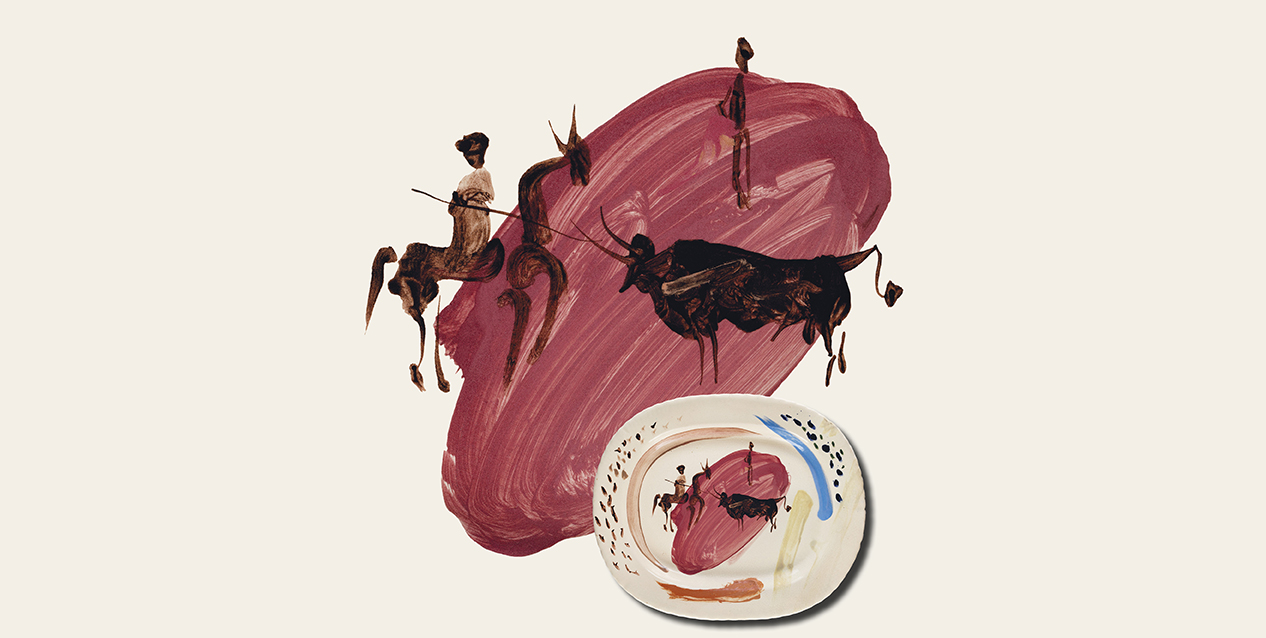
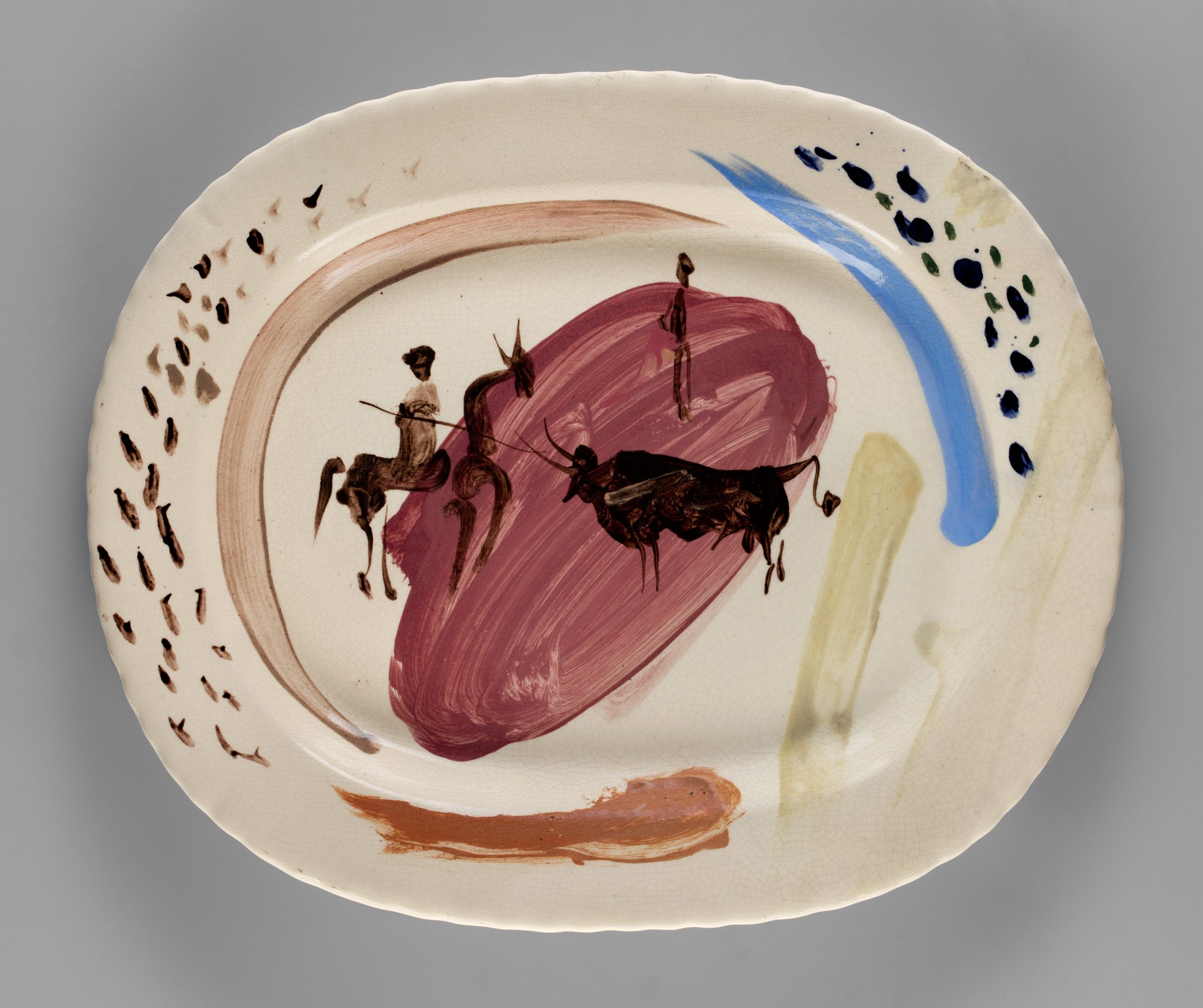
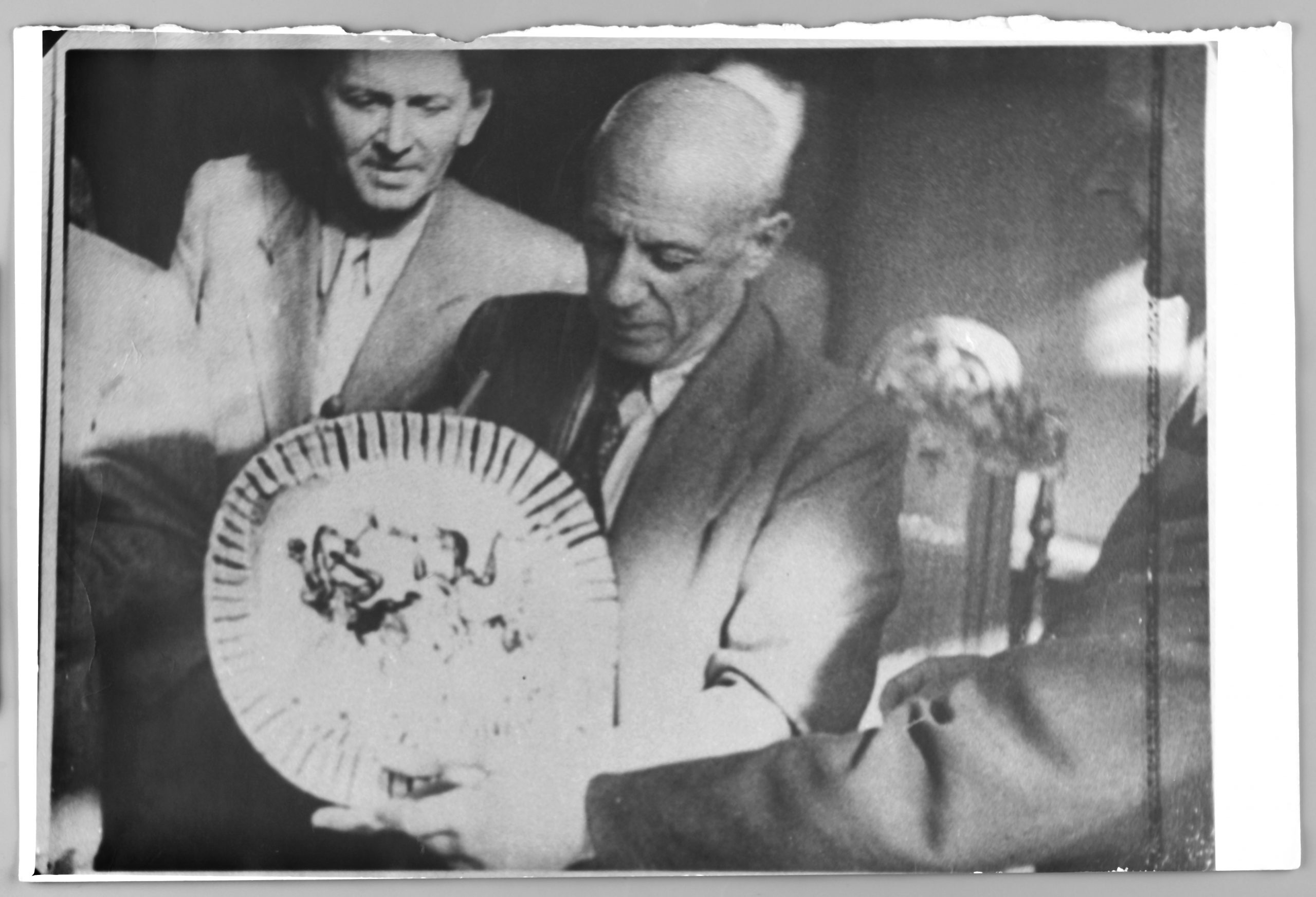
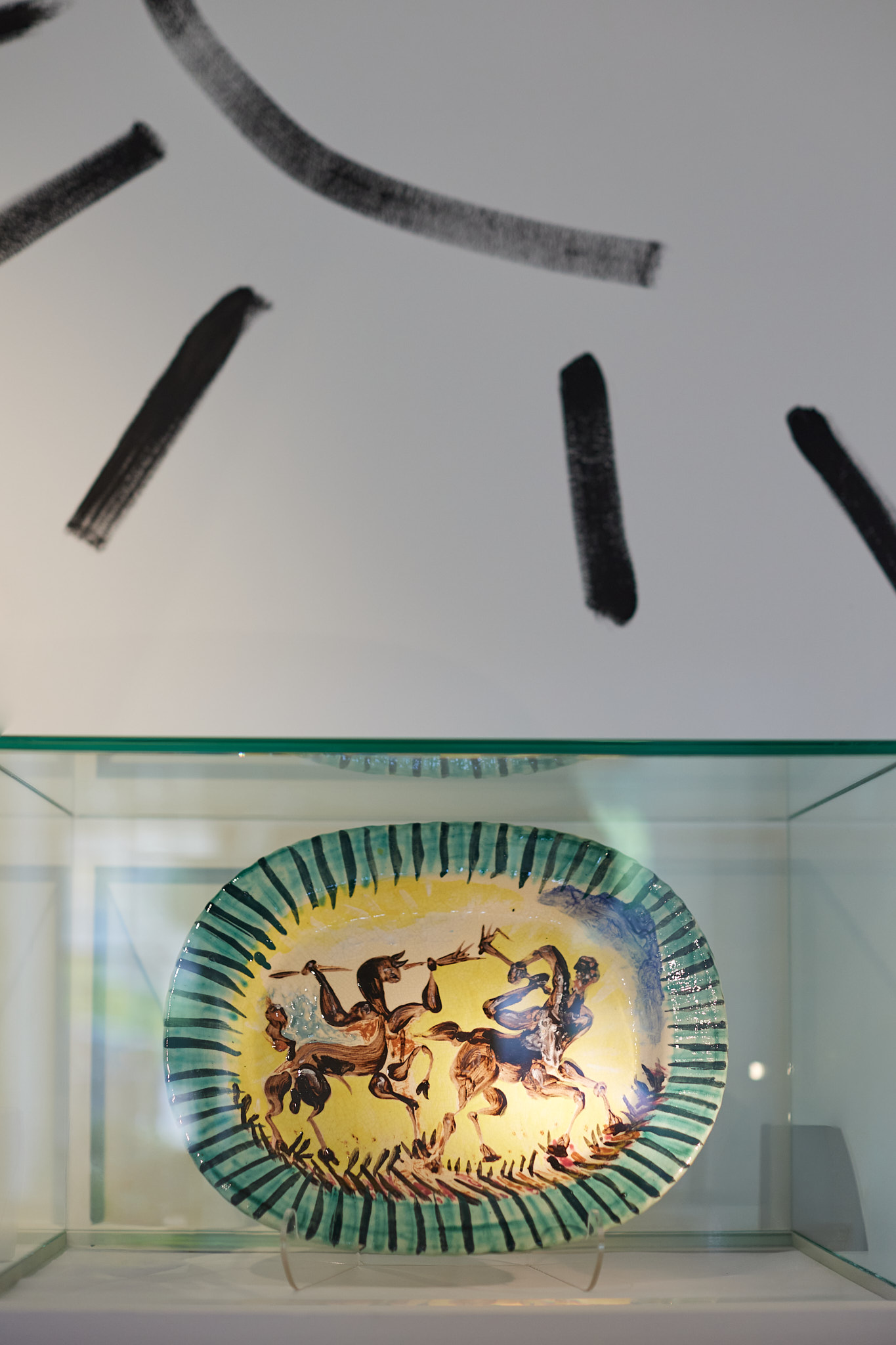
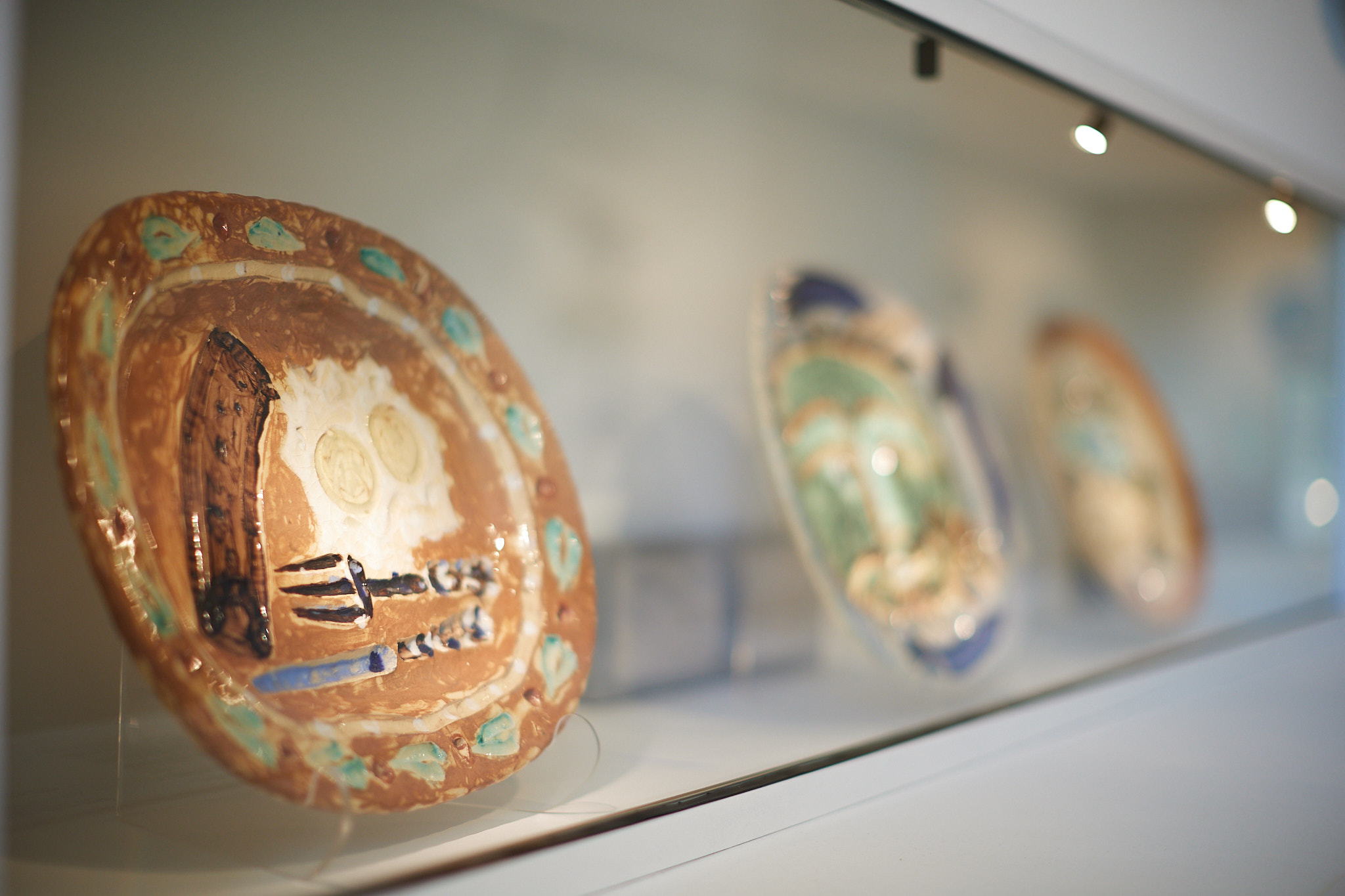
When Pablo Picasso visited Poland in late summer 1948, he brought with him 20 large earthenware platters featuring painted and engraved decorations. Created at the Atelier Madoura pottery workshop in Vallauris in the south of France, they reflected the artist’s emerging fascination who, just two years earlier, had taken an interest in ceramics. Over the following years, he continued to collaborate with the company owned by Georges and Suzanne Ramié, designing and decorating plates and tableware in a variety of shapes, many of which were remarkably original. Picasso’s designs were then reproduced there in editions ranging from 25 up to 500 copies.
The artist travelled to Poland for the World Congress of Intellectuals in Defence of Peace, which was held in Wrocław from 25 to 28 August 1948. The initiative to organise an international gathering of cultural and academic elites in this city gained the support of the Polish authorities, as well as the approval of the authorities of the Union of Soviet Socialist Republics. The event was of a propagandistic nature; its key aims included emphasising the Polish character of the so-called Recovered Territories, as well as mobilising international left-wing and communist circles around the slogan of the ‘struggle for peace’ and condemning ‘American imperialism’.
Pablo Picasso (188-1973), the founder of Cubism, was a versatile artist. He was creating paintings, prints, drawings, stage designs and sculptures. He took an interest in ceramics later in life, but this passion remained with him until the final years of his life. The plates he brought back to Poland were exhibited in the lobby of the Wrocław University of Technology, after which they were added to the collection of the National Museum in Warsaw. It is worth noting that these are early, unique works by the Spanish artist, hand-engraved and hand-painted.
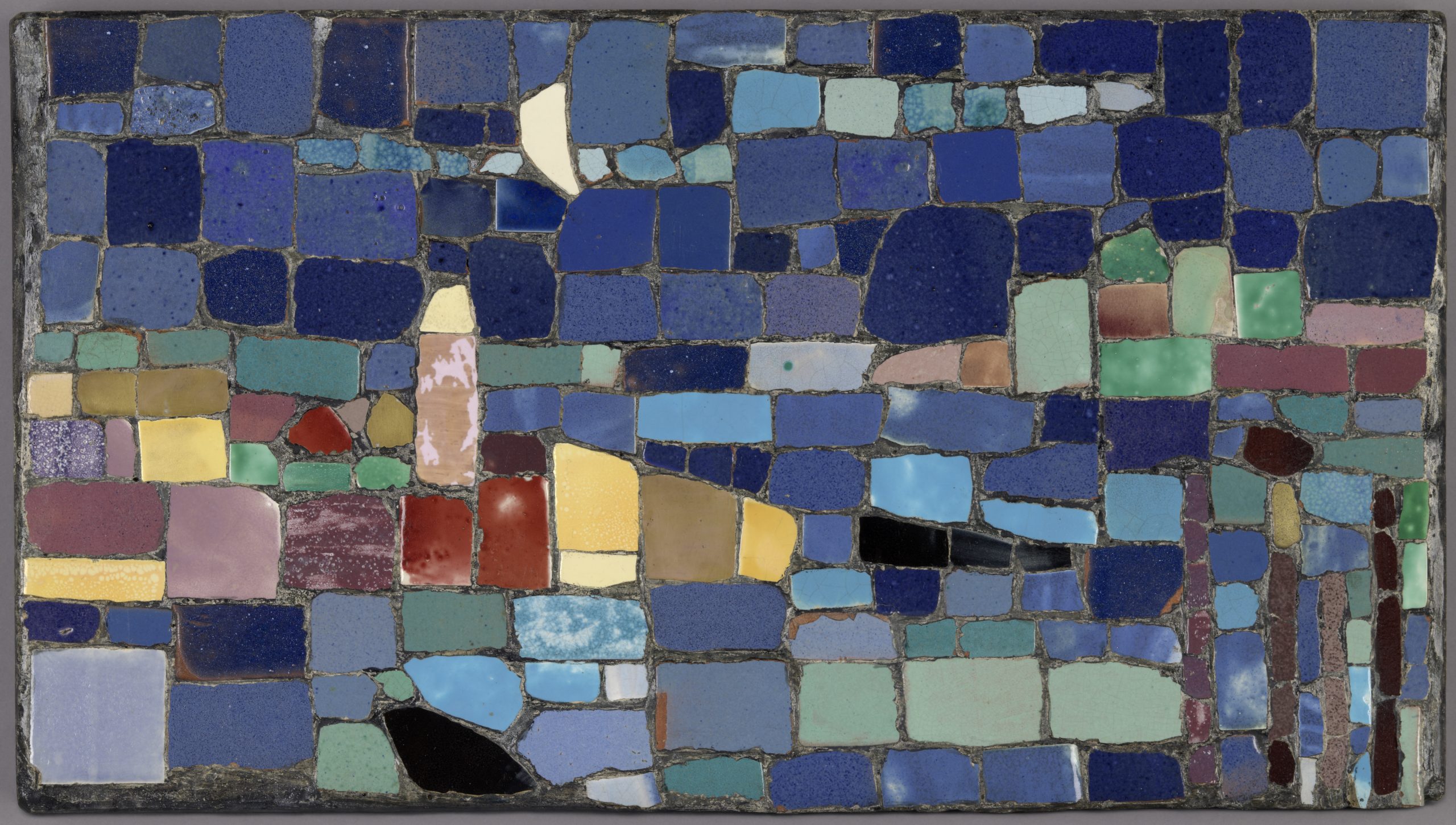
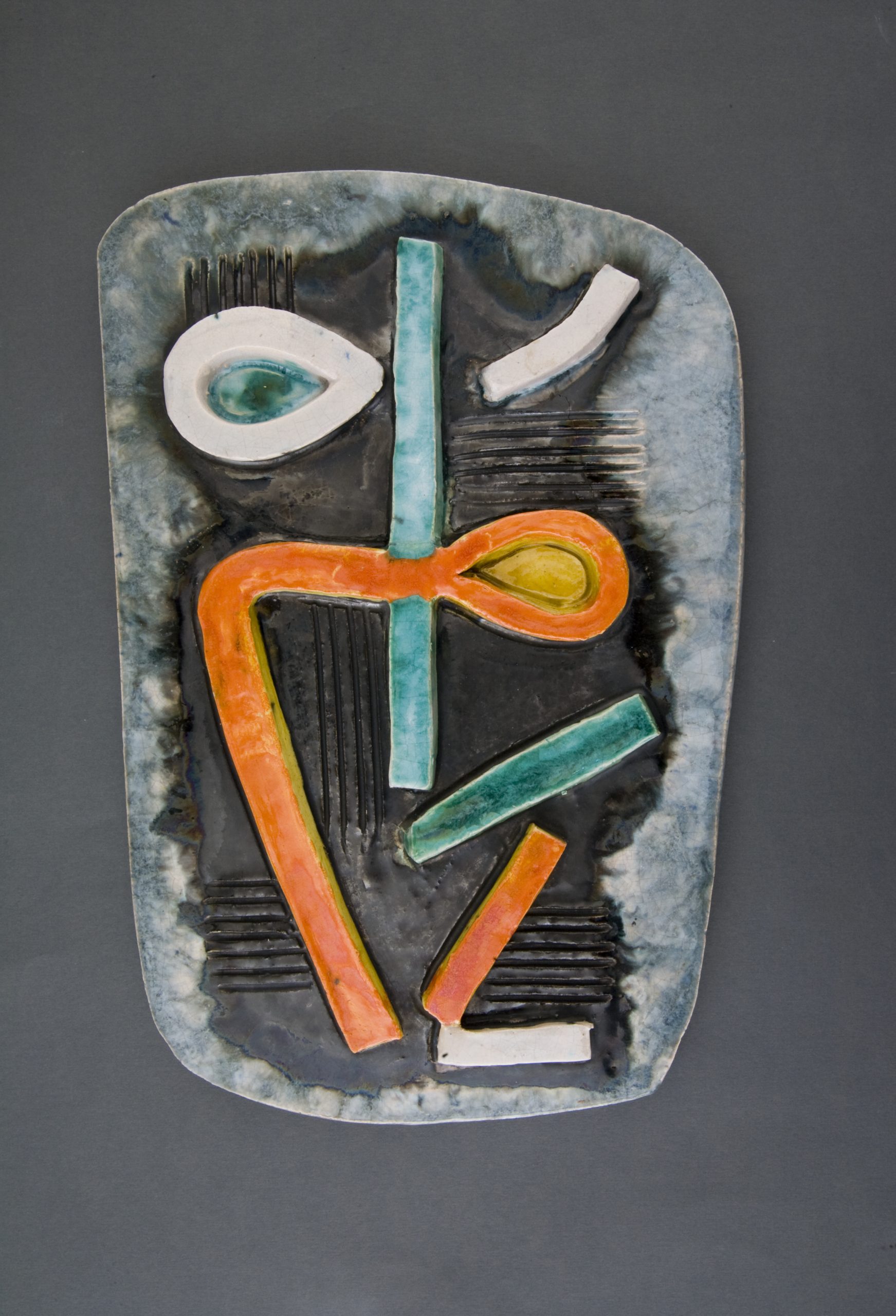
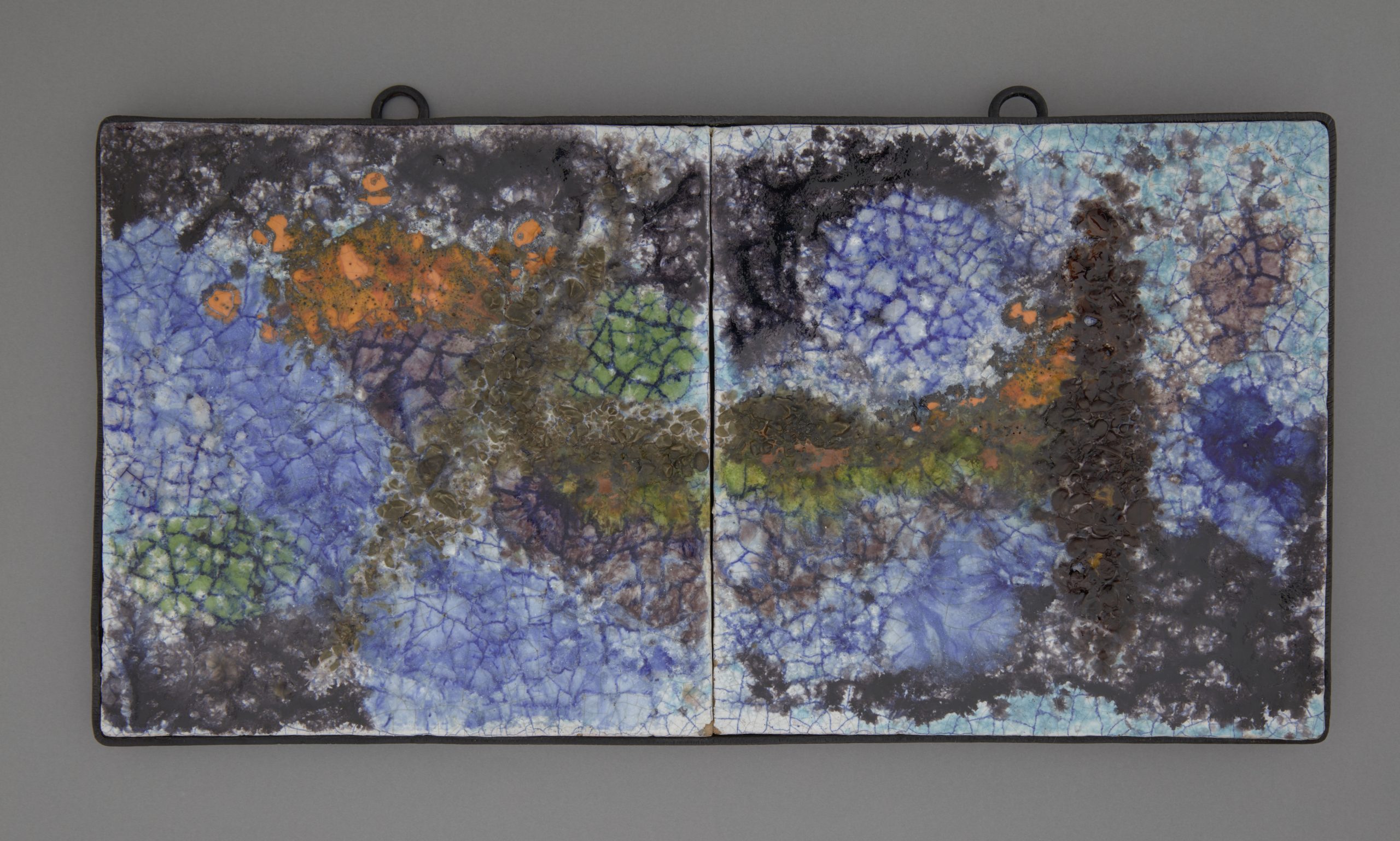
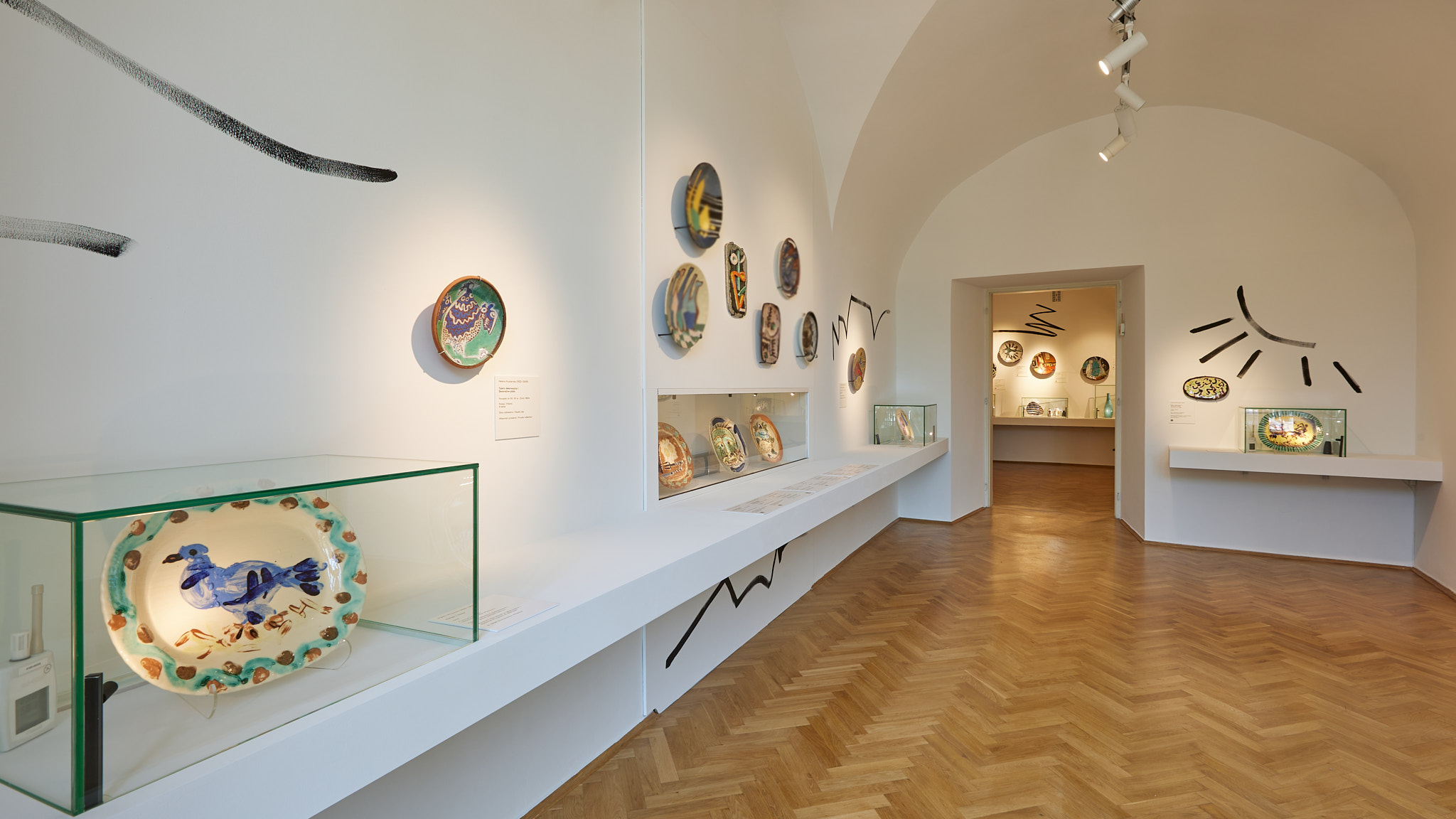
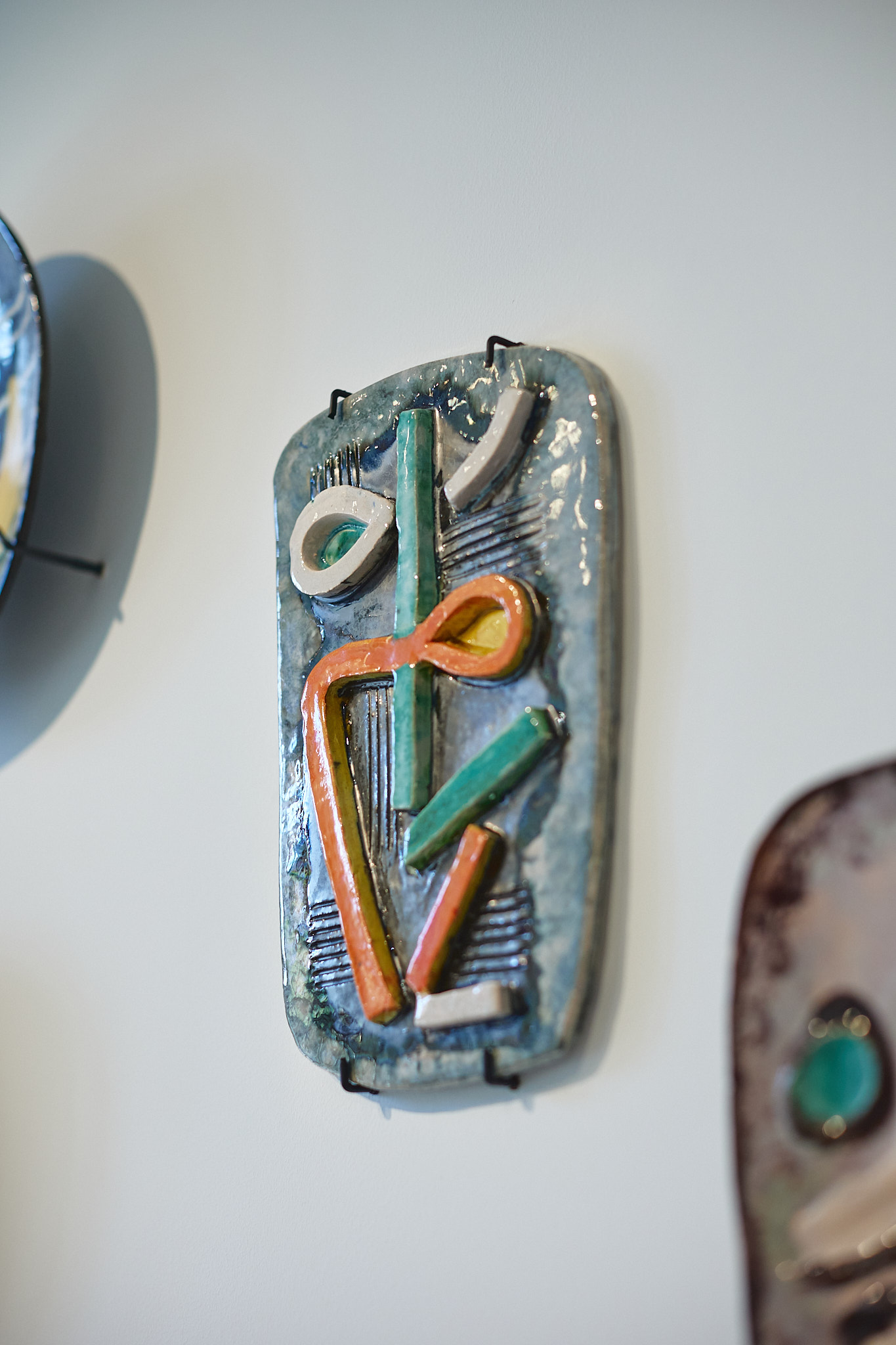
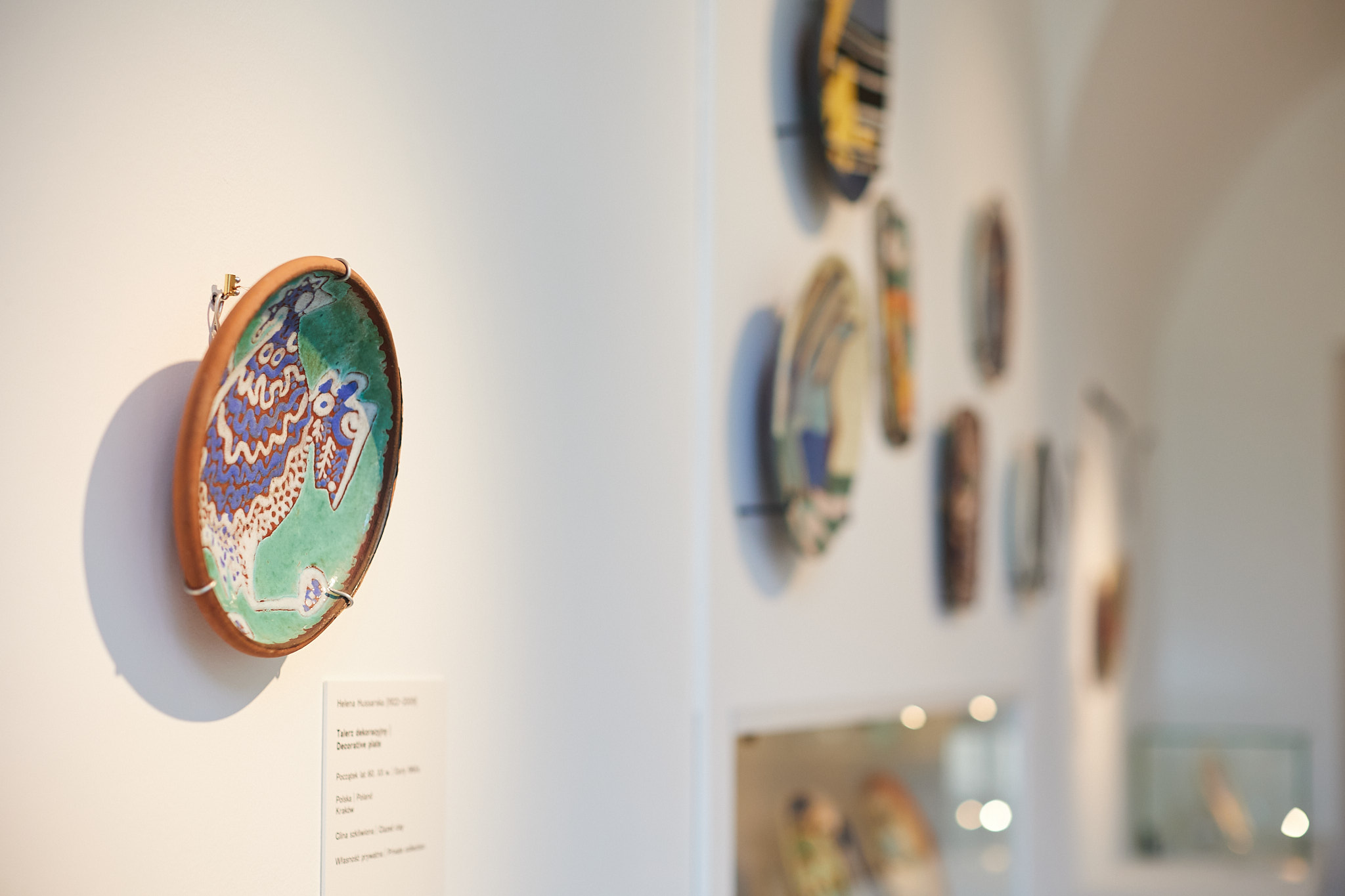
At the exhibition ‘Picasso and the Pikasiaks. Modern Ceramics’, we present six selected platters by Pablo Picasso, alongside original and mass-produced Polish ceramics. Modern trends emerged in this field of art and design in the mid-1950s of the the 20th century, with the advent of the so-called post-October Thaw. The rejection of Socialist Realism and the resulting constraints placed on creators led artists and designers to begin creating vessels with organic, sometimes asymmetrical shapes, and to use bold, often contrasting colours to decorate them. The distinctive, abstract or stylised motifs used to decorate objects were reminiscent of the work of the Spanish artist, hence their popular name ‘pikasy’ or ‘pikasiaki’.
The exhibition showcases decorative and functional pieces produced in several Polish ceramics factories, which perfectly illustrate the concept of modernity that inspired the designers at the Institute of Industrial Design in Warsaw and at the in-house design centres within the factories. We also showcase unique ceramic works by a dozen or so artists representing various artistic circles – from Kraków to Gdańsk and from Warsaw to Wrocław. Among them are such well-known names as: Julia Kotarbińska, Helena Husarska, Leszek Dutka, Andrzej Trzaska, or Helena and Lech Grześkiewicz.
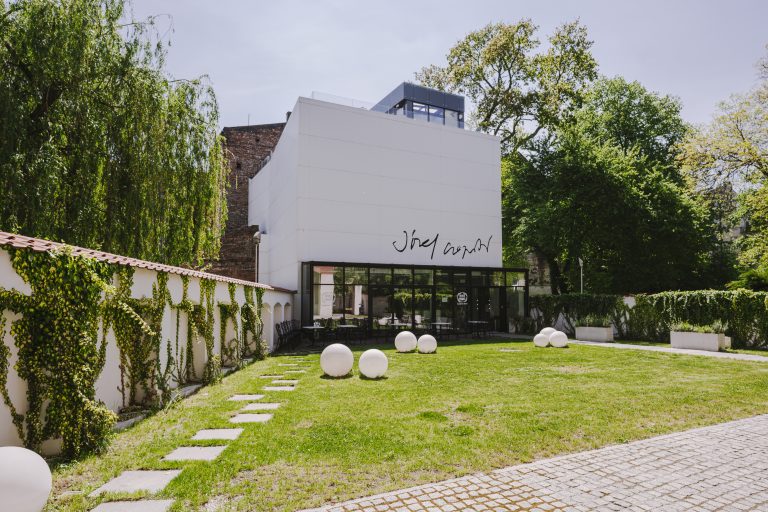
You can find out for yourselves how ceramics by Polish artists compare with the plates of the famous Spanish artist at the exhibition on display at the Szołayski Tenement House, a branch of the National Museum in Kraków, from 11 October 2026 until 7 February 2027.
BK
Curator: dr Bożena Kostuch
Coordinator: Natalia Gala
Exhibition design: Marta Staszków
© Succession Picasso 2026










11.09.26 – 07.02.27
 MNK Szołayscy
pl. Szczepański 9, 31-011 Kraków