Pre-war art critics of Józef Czapski (1896–1993) emphasised the stylistic diversity of his paintings. In 1938, Roman Kołoniecki observed that Czapski does not present the viewer “with a choice between creative principles that has already been made”, but rather makes them realise just how difficult that choice is. Czapski himself saw this as a weakness in his own paintings. In an essay from the 1940s, he wrote:
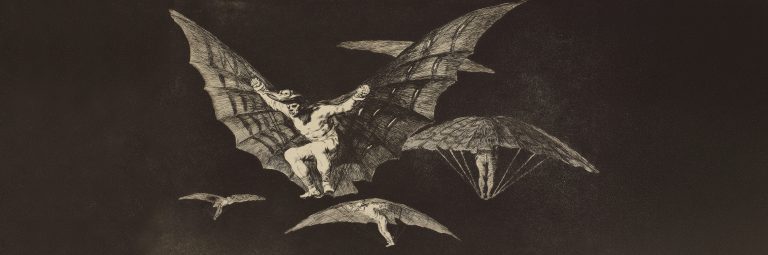
For a long time, I was troubled by this duality in my approach – one analytical and rational, stemming from the Dutch tradition and, to some extent, from the Pointillists; and the other, mad, unexpected even to myself – a veritable leap into the abyss. I saw in this a lack of integrated individuality, a sort of psychological split, which I tried to overcome artificially, though to no avail. Over time, however, I came to observe the same phenomenon not only in painters of Matisse’s calibre, but even in one of the greatest of all – Goya.
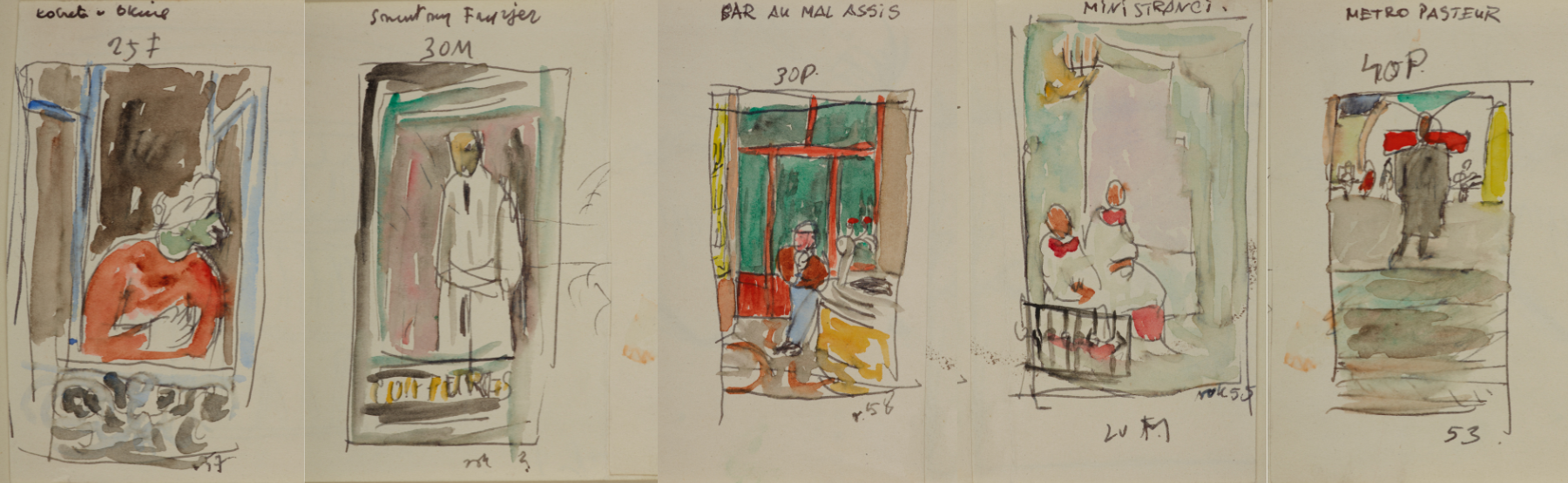
This anniversary exhibition, organised to mark the 130th anniversary of the artist’s birth and in the year dedicated to him, provides an opportunity to explore the many facets of Czapski’s art – hence its title. Dr Magdalena Ludera, the curator and author of the exhibition script, focused on Czapski as a painter and draughtsman, paying particular attention to his creative process. She pushed into the background the Czapski who was better known as a writer, diarist and art critic, as well as the Czapski who was a witness to the painful history of Poland and 20th-century Europe.
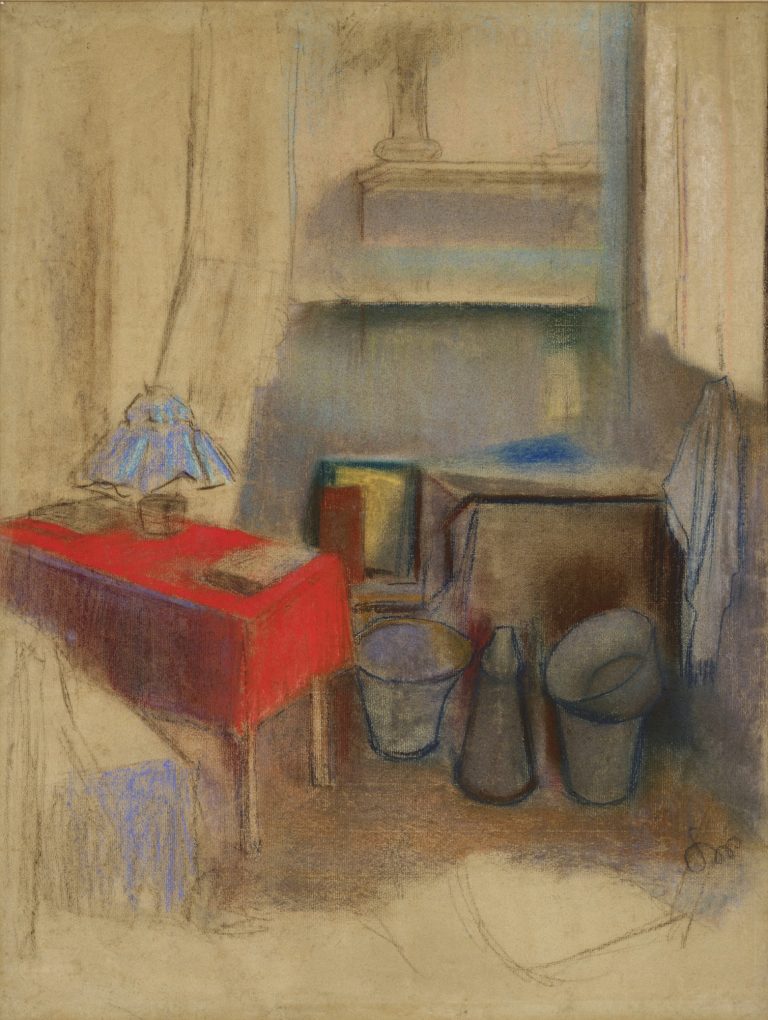
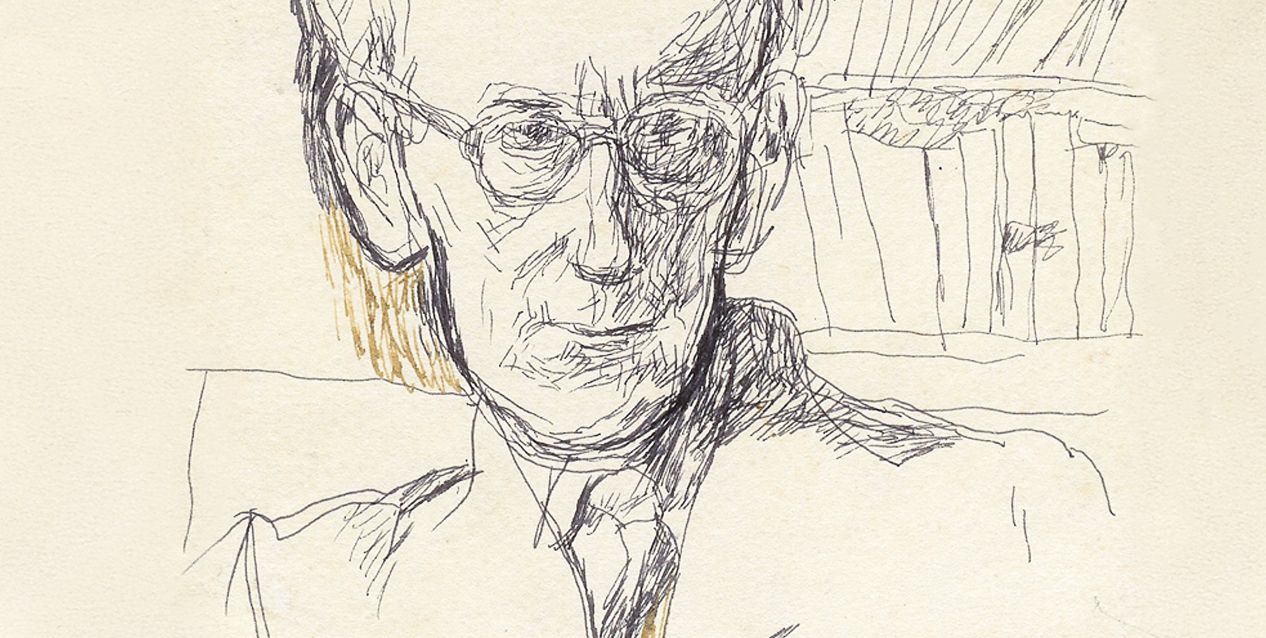
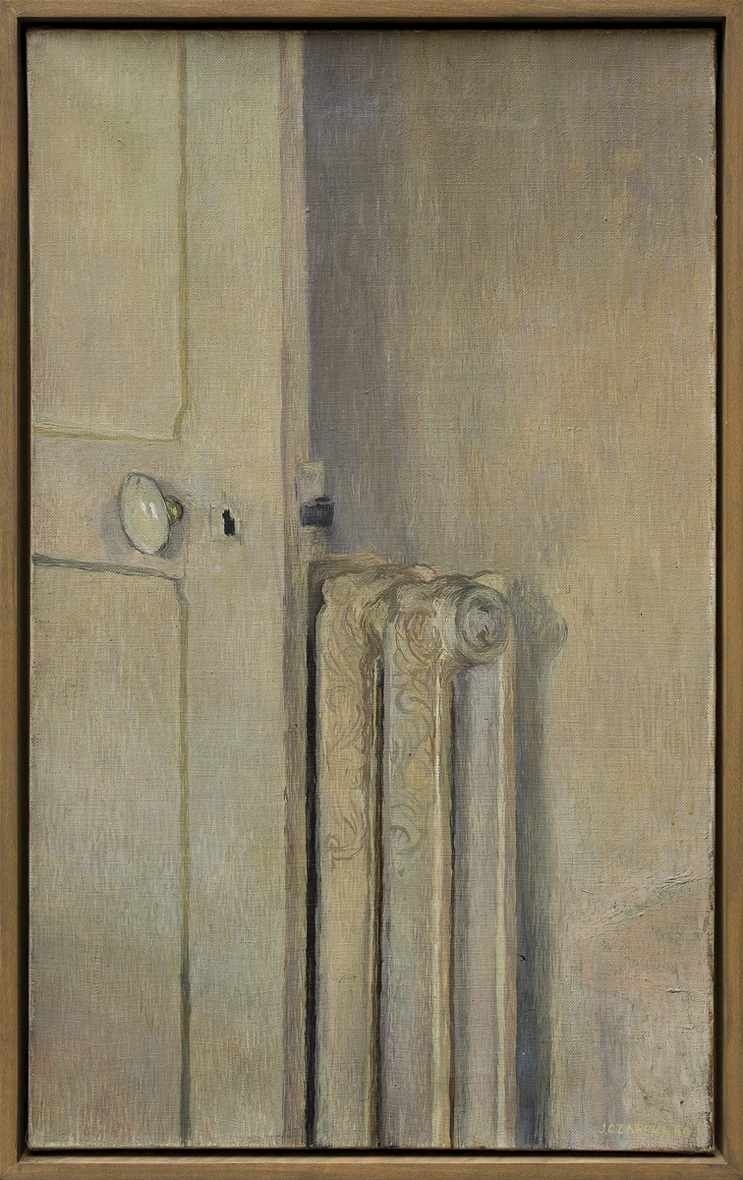
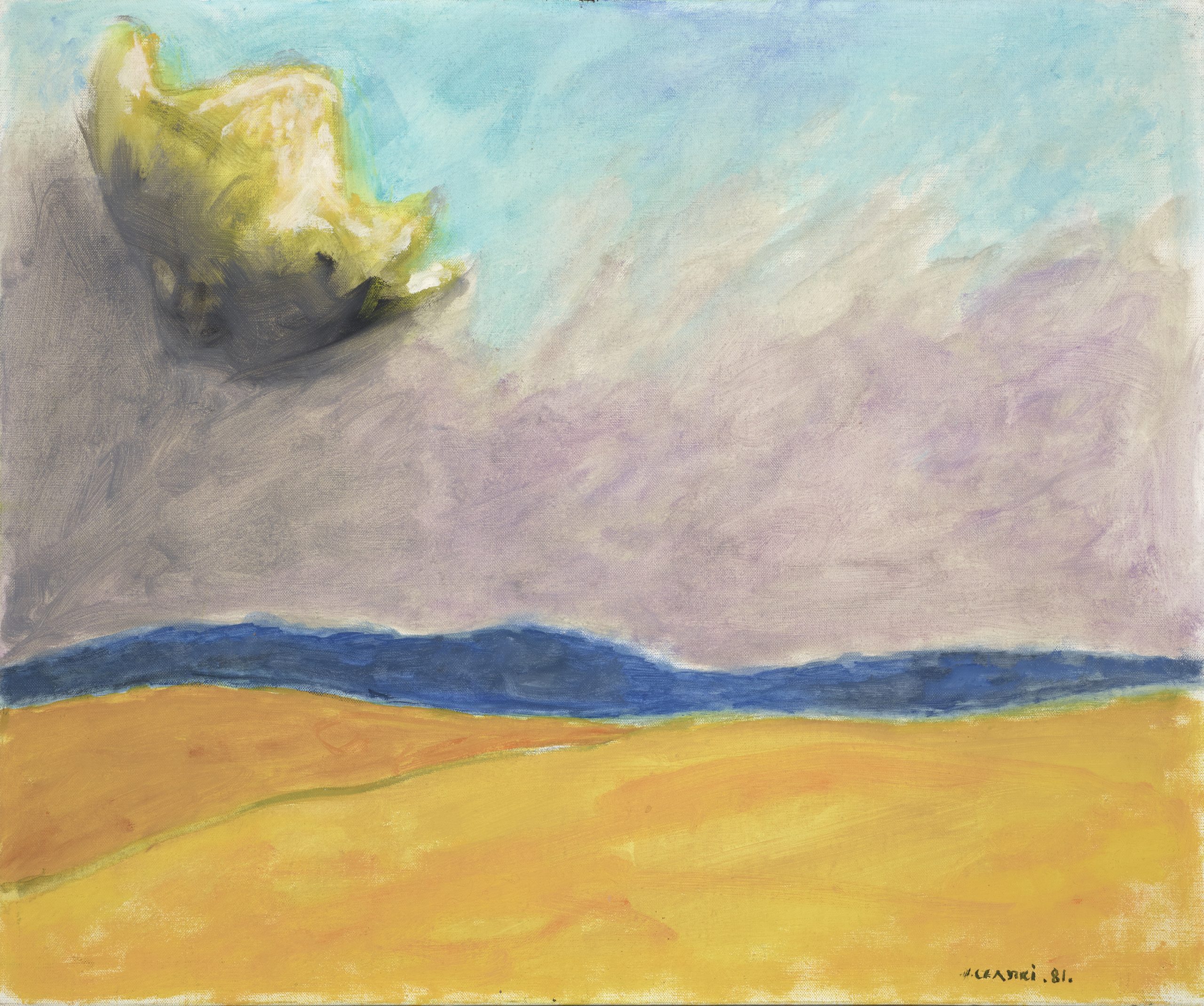
For this exhibition, we have brought together over fifty paintings and drawings, mainly from private collections (both domestic and foreign), sourced in particular from the direct heirs of the Czapski sisters. The family-oriented and intimate nature of these rarely exhibited works is reflected in the structure of the exhibition. The exhibition opens with self-portraits in the studio, which are surrounded by paintings and drawings of people close to him (including tender portraits of family members), objects (still lifes, which he persistently returned to throughout his life) and landscapes (including the family estates).
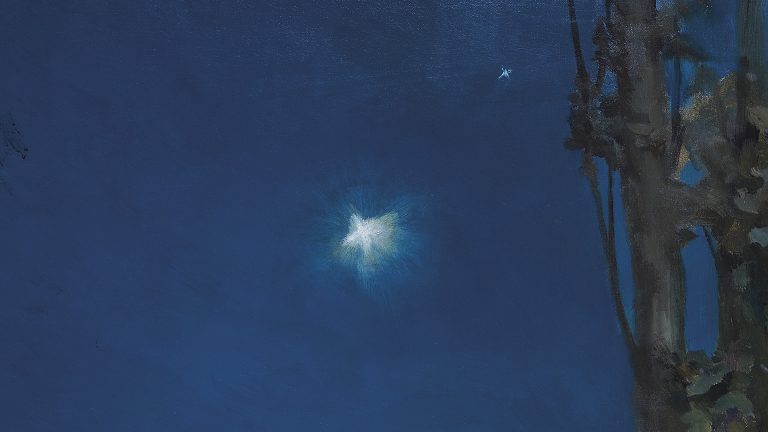
Czapski distanced himself from the intellectually driven principles imposed from above that guided him as a painter, and emphasised the vision that came to him as a result of visually contemplating everyday life. Although his vision is associated more with unpredictable painterly intuition than with rational thought, in this exhibition we seek out the recurring principles that govern his painting, whilst also highlighting his sources of inspiration. The similarities between works of art are deliberately emphasised. Towards the back of the exhibition, using specially grouped ‘crazy’ and ‘wall-breaking’ paintings (as Czapski would put it), we seek to characterise the expressionist tendencies in the artist’s work, pairing the artworks with evocative keywords.
The exhibition is accompanied by a catalogue featuring full-page photographs of the works on display.
Magdalena Ludera
Curator: Dr Magdalena Ludera
Interior designer: Anna Popławska-Szilder
Coordinator: Sylwia Siwek
Works by Józef Czapski. Copyright © by Weronika Orkisz
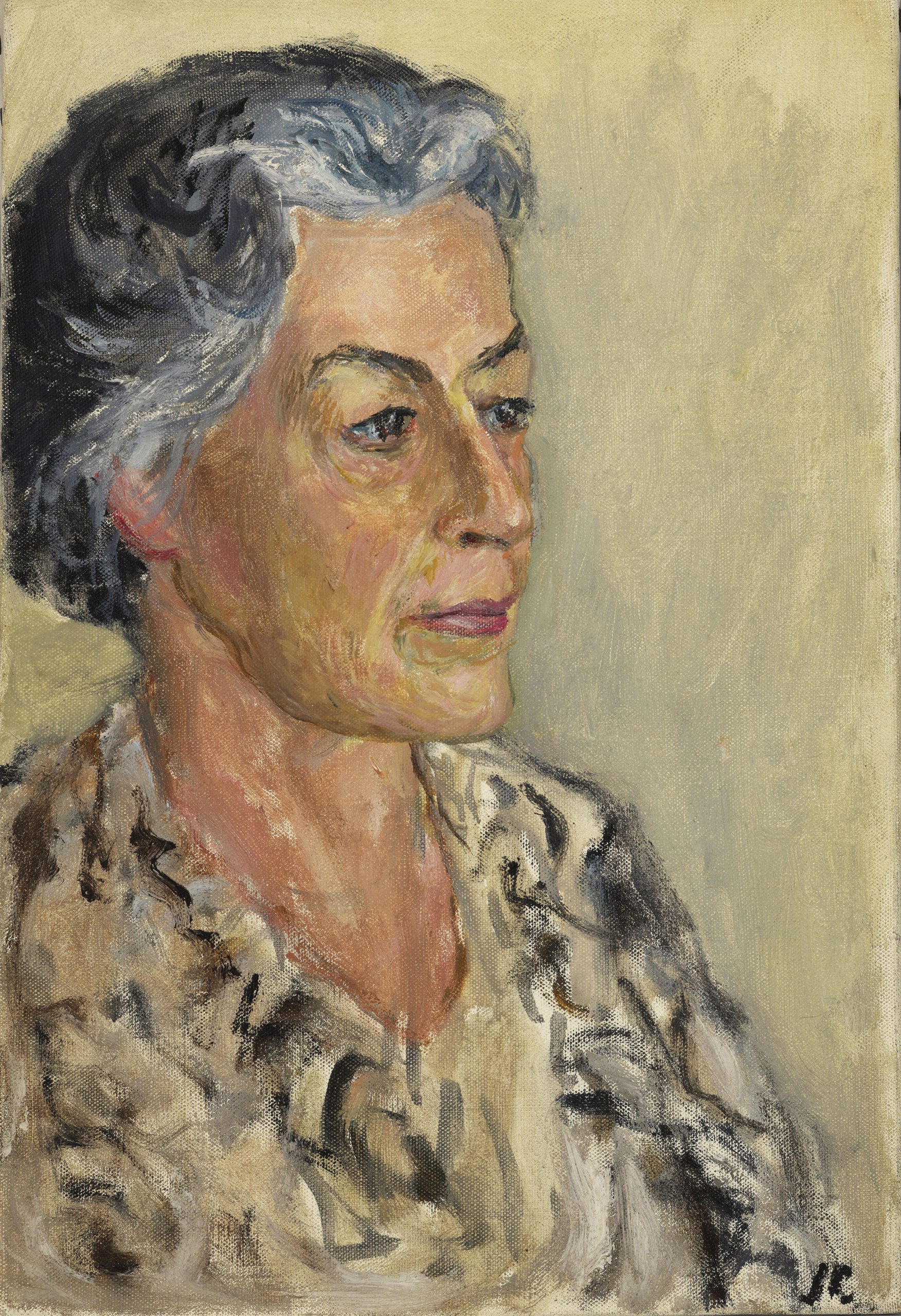
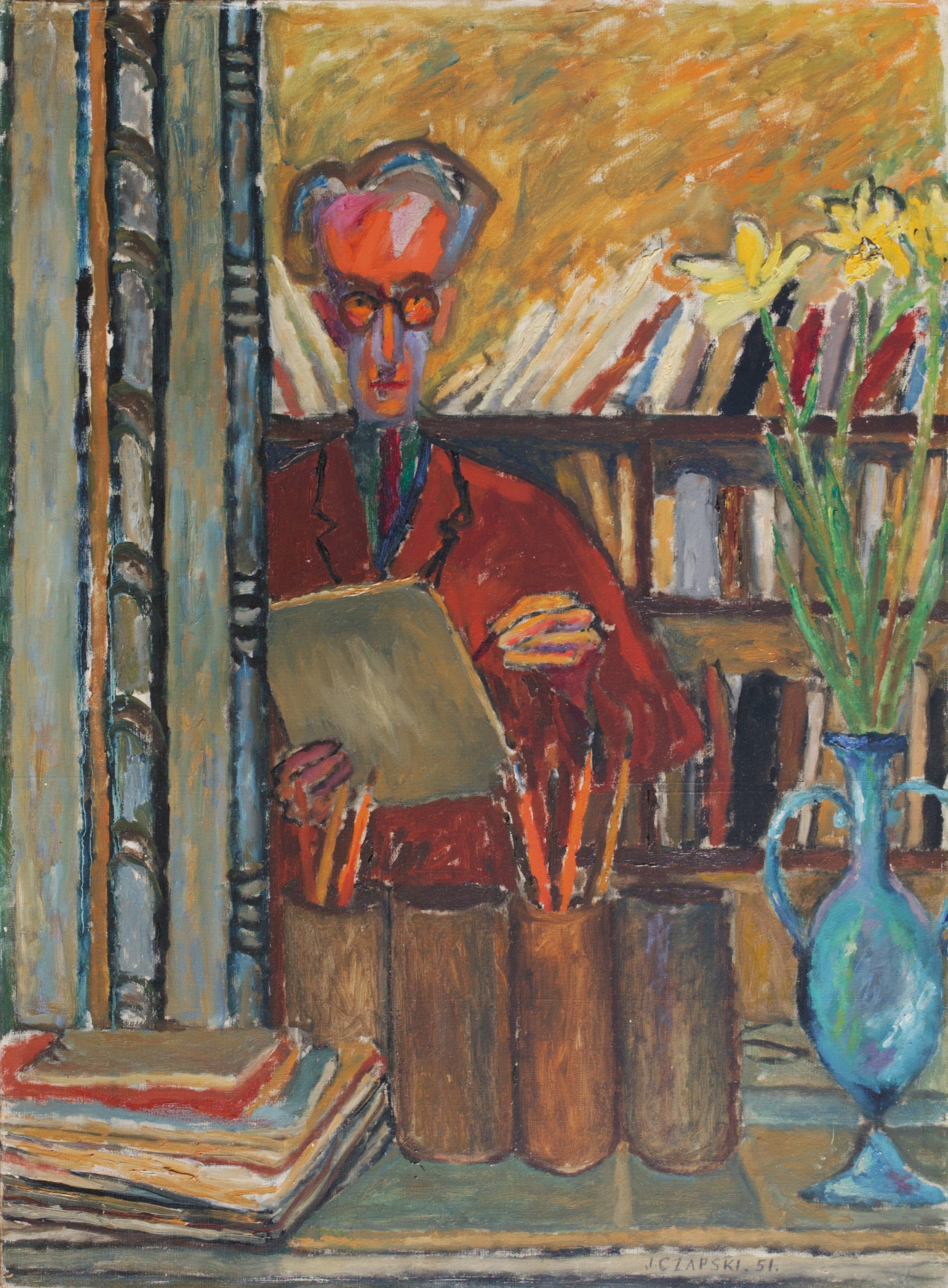
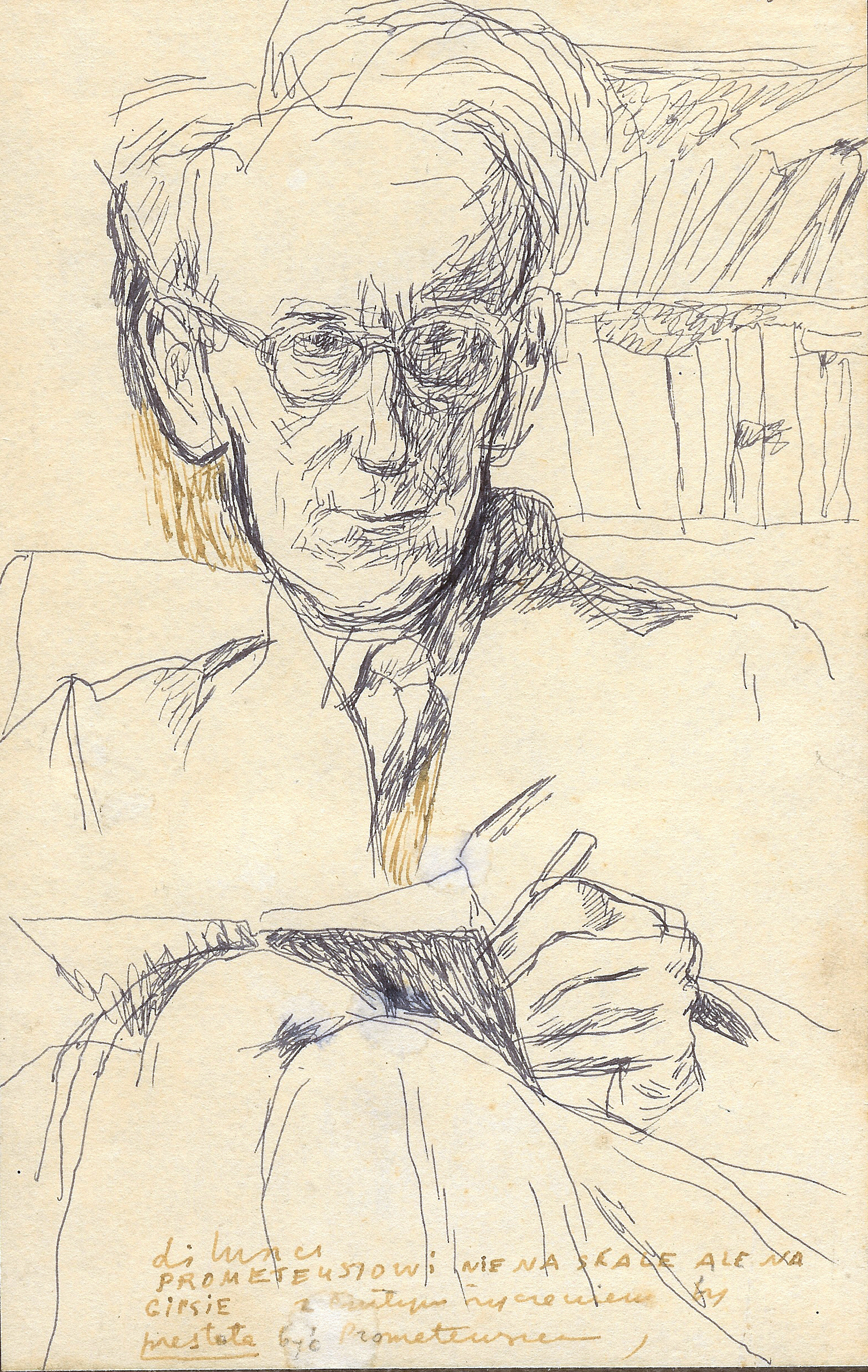
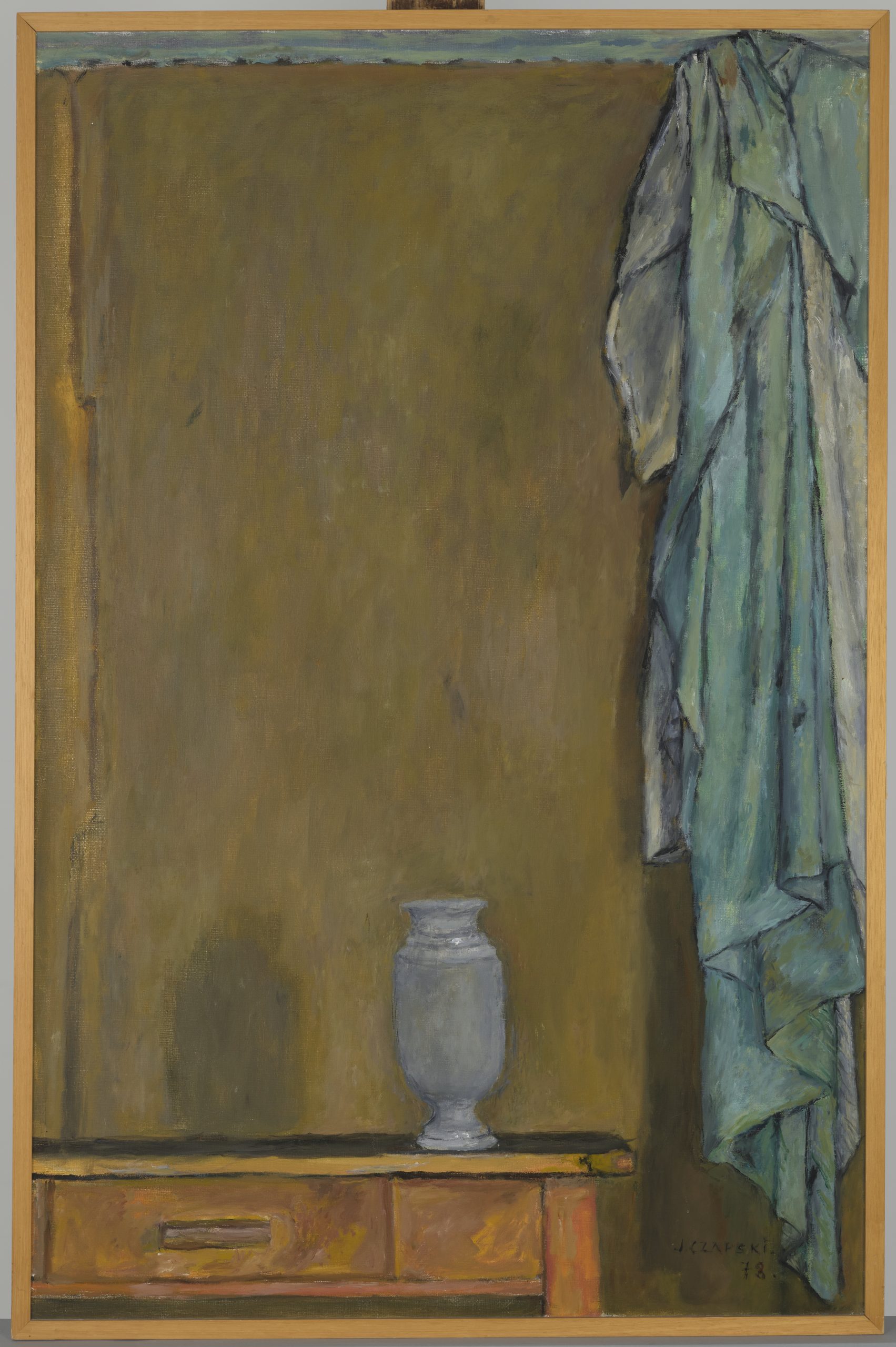








The anniversary exhibition ‘The Faces of Czapski’ is being held as part of the celebrations marking the Year of Józef Czapski, whom the Sejm of the Republic of Poland has declared the patron of 2026.
By showcasing the work of this Polish painter, who was related to the European aristocracy, the National Museum in Kraków promotes pride in our own heritage, whilst placing it within a broader context.
The Year of Czapski offers the opportunity for many wonderful experiences at the MNK. Do join us!
18.09.26 – 31.01.27
 MNK Main Building
al. 3 Maja 1, 30-062 Kraków