The fifth edition of the exhibition at the Wyspiański Museum, a branch of the National Museum in Kraków, will be expanded with two additional presentations in the ground-floor gallery: “In the Paris Atelier of Stanisław Wyspiański and Józef Mehoffer” and My Wonderful Youth. Portraits of Wanda Siemiaszkowa as the Bride in Stanisław Wyspiański’s The Wedding.
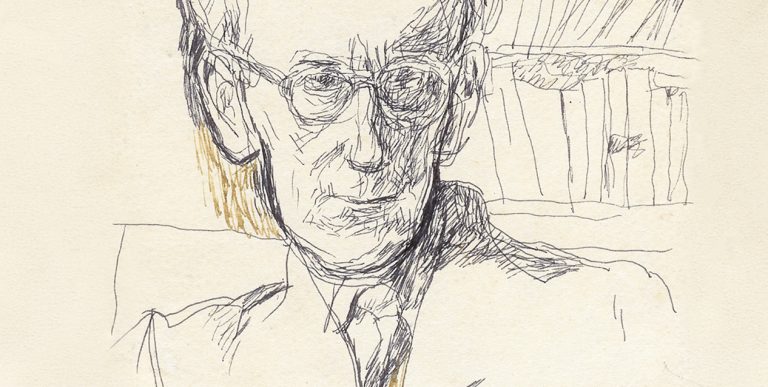
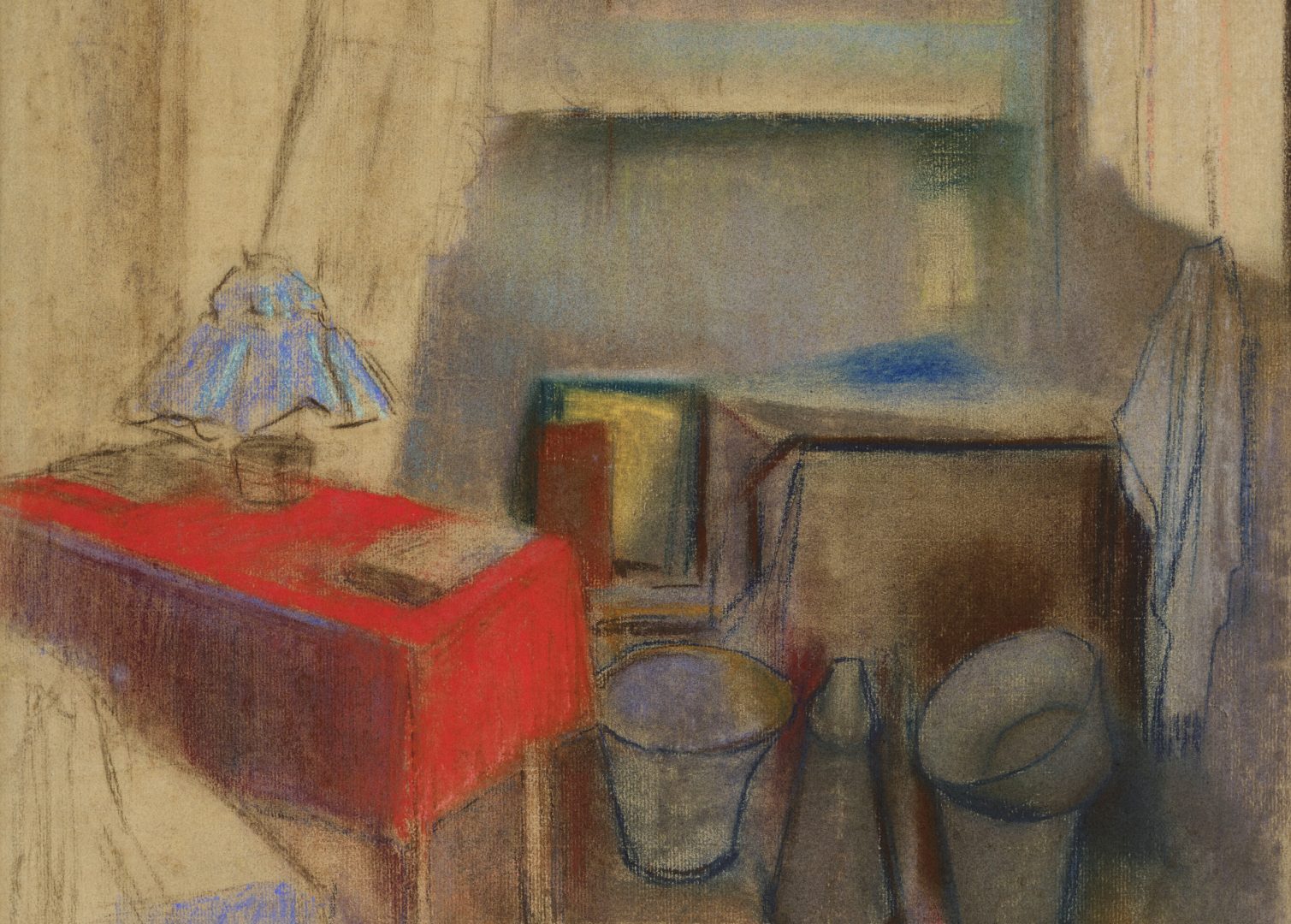
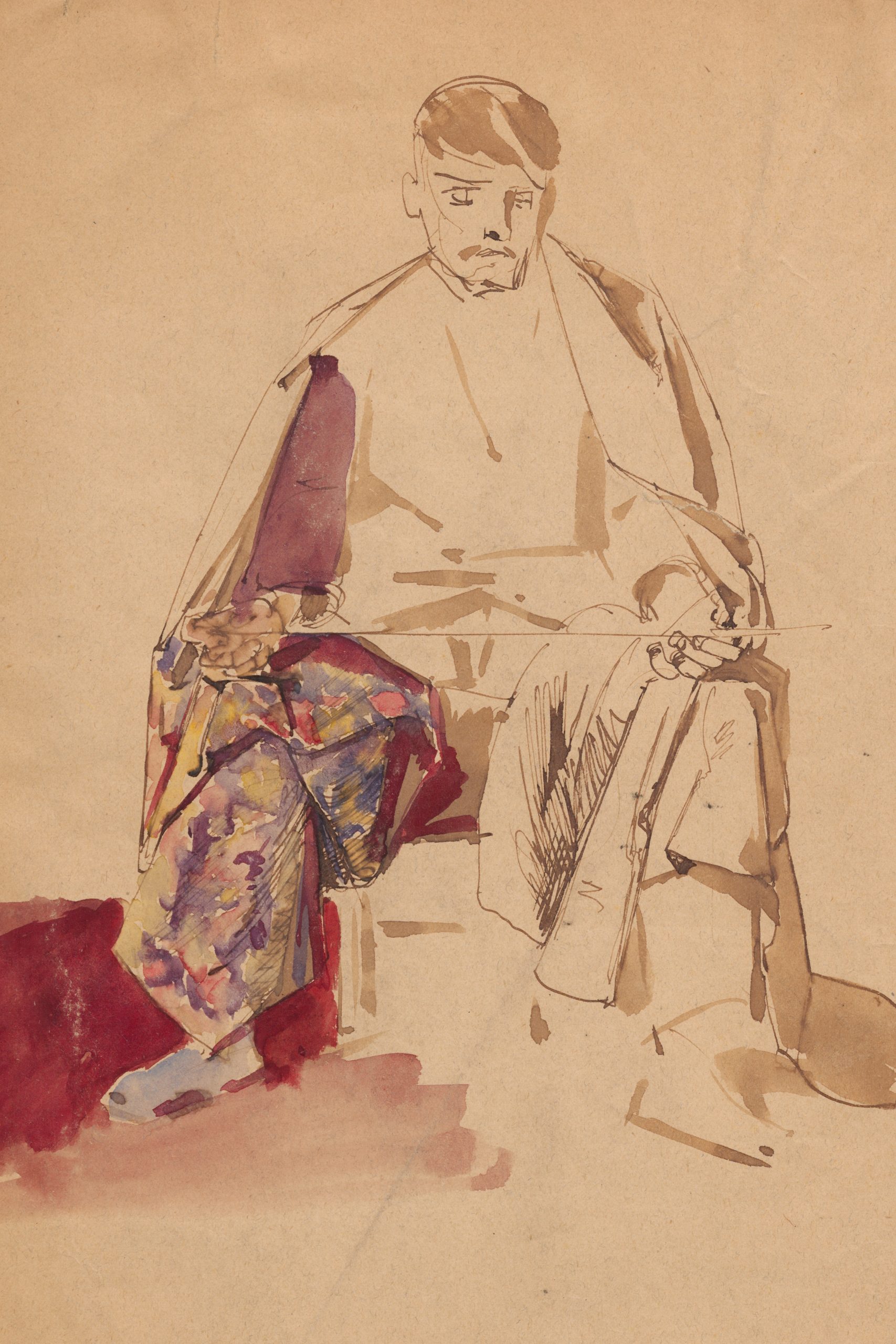
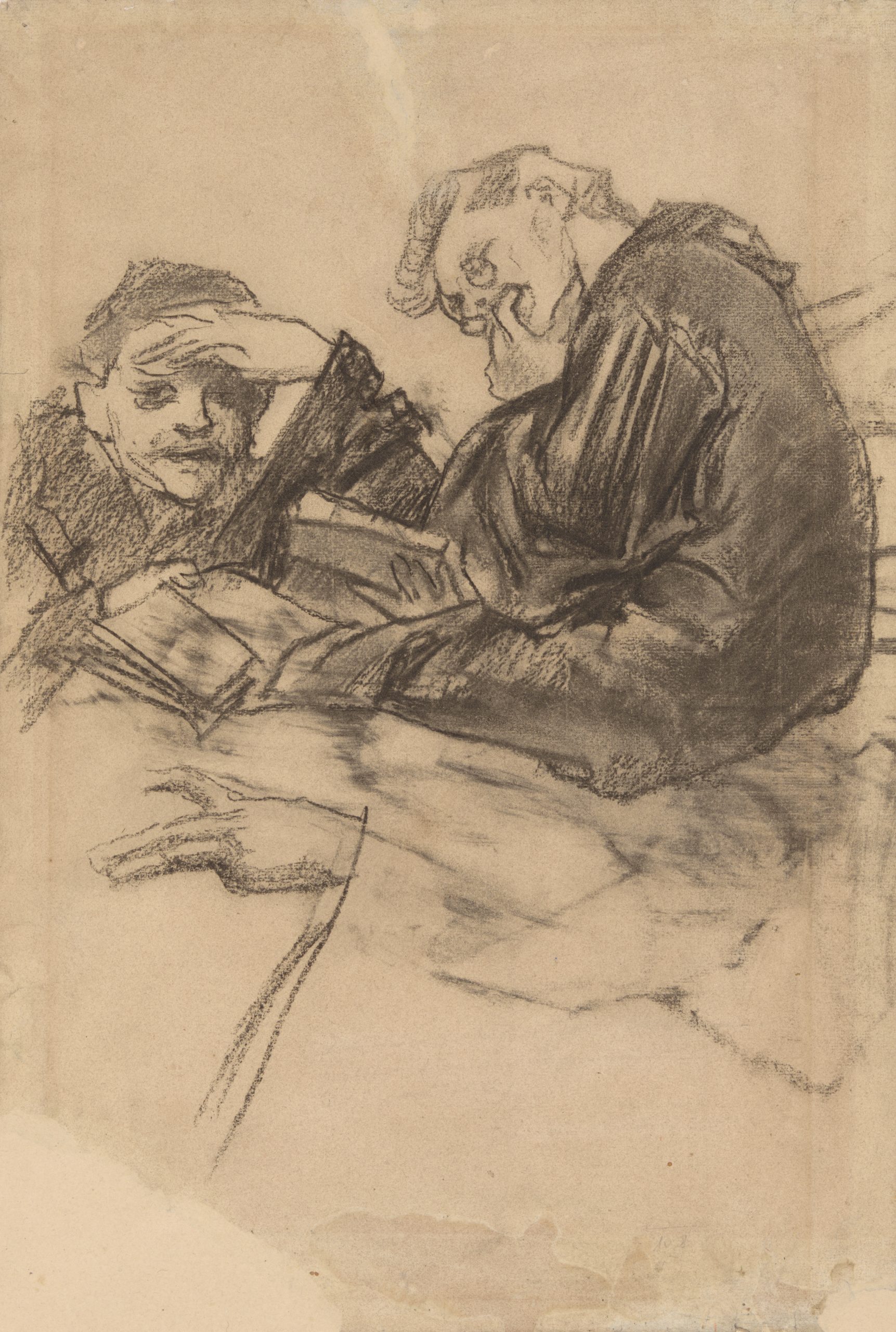
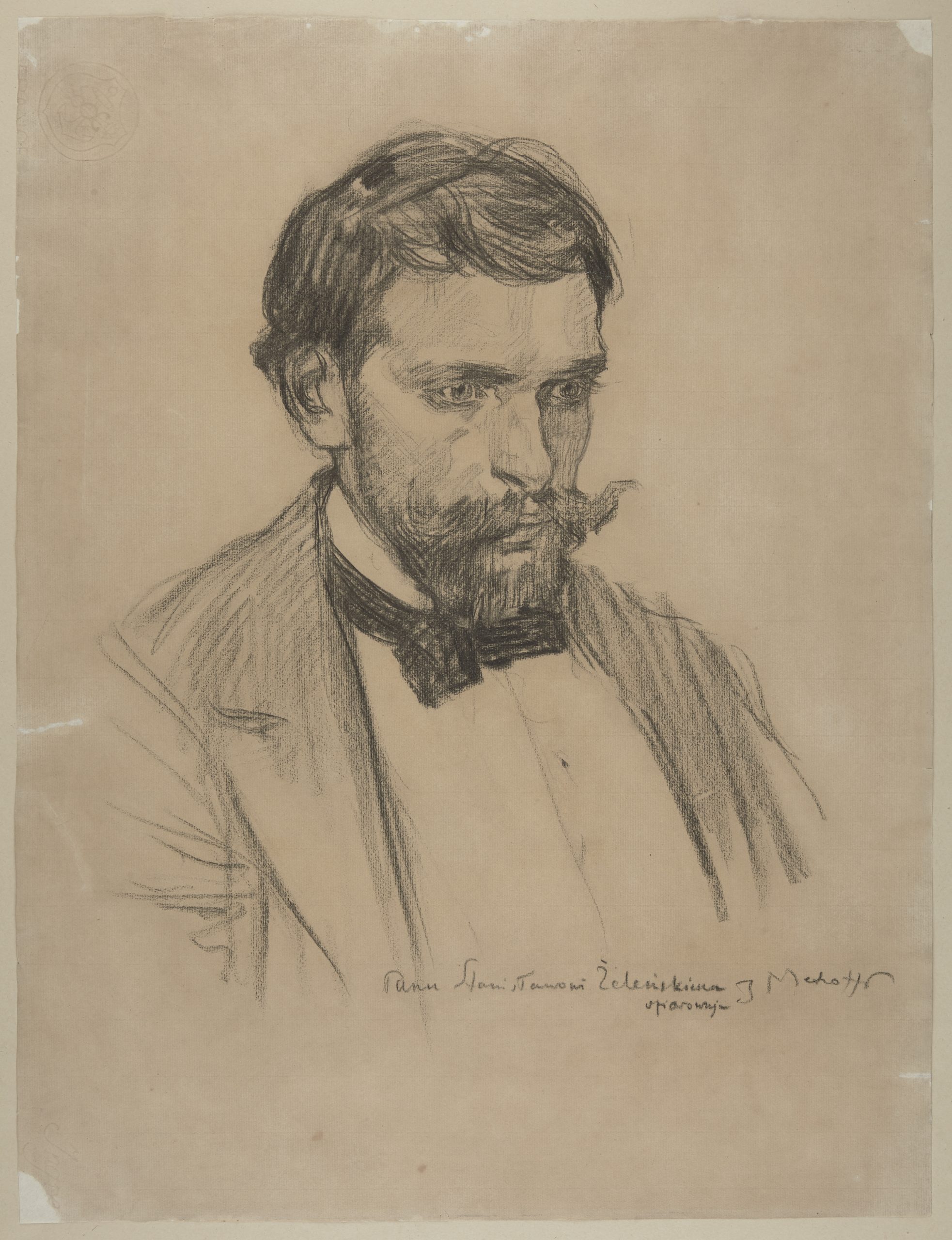
The first presentation (June–December 2026) features works by Wyspiański and Mehoffer created during their studies in the French capital, including portraits they painted of one another and a view of the interior of one of their Parisian studios.
Stanisław Wyspiański and Józef Mehoffer were first pupils at the Training School in the Larisch Palace, then students at St Anne’s Gymnasium in Kraków, and later at the School of Fine Arts in Kraków. They worked together on the polychromy of St Mary’s Basilica in Kraków and, almost simultaneously, departed for Paris to continue their artistic studies. In the French capital they shared the same studio: first at 14 rue de l’Echaudé and later at 14 avenue du Maine. Together they undertook designs for stained-glass windows for St Mary’s Basilica in Kraków (1890–1891), the polychromy of the Rudolfinum in Prague (1891), the curtain for the Municipal Theatre in Kraków (1892), and stained-glass windows for Lviv Cathedral (1892–1894).
Throughout their shared years of study in Paris, Wyspiański and Mehoffer frequently portrayed one another. Mehoffer’s recollections survive in his Diary. Under the date 15 November 1892, he noted: “This morning I painted him [Wyspiański]; he did not pose, but instead painted himself again from the mirror (…)”; and on 5 May 1893: “Today I drew studies for Kazimierz — Wysp[iański] posed, then I imitated Polish kings, adopting movements appropriate to them — as if in portraits (…)”. Wyspiański, in turn, described their collaboration in a letter to Lucjan Rydel dated 8 March 1893: “We constantly draw here, painting each other at every moment (…)”.
Beyond presenting the relationship between the two artists, the exhibition also aims to showcase two works previously unknown to a wider audience, loaned from private collections and from the Museum of Kraków. A pastel depicting the interior of one of Wyspiański’s Paris studios was listed in the 1925 catalogue of the artist’s works as belonging to Dr Władysław Federowicz, a collector of several other works from Wyspiański’s Parisian period. A watercolour by Józef Mehoffer from the collection of the Museum of Kraków shows Wyspiański posing for his friend for one of his historical paintings.
The second presentation (January–May 2027) will feature two pastel portraits of the actress Wanda Siemaszkowa, who played the role of the Bride in the premiere production of Wyspiański’s The Wedding, staged at the Kraków Municipal Theatre on 16 March 1901.kiego Teatru Miejskiego 16 marca 1901 roku.
26.06.26 – 08.07.27
 MNK Wyspiański
pl. Sikorskiego 6, 31-115 Kraków
Discover our suggestions for exploring the museum’s branches. See the most important works in a single day, discover the lives of the greatest artists, or discover unusual works from bygone eras.

Łączyła ich więź przyjaźni, wspólnej pracy i rywalizacji; obaj studiowali razem w Paryżu oraz wynajmowali mieszkanie. Ścieżka poprowadzi przez świat krakowskiego modernizmu, ukazując twórczość dwóch najwybitniejszych artystów Młodej Polski – Józefa Mehoffera i Stanisława Wyspiańskiego.