



23.10.26 – 11.04.27


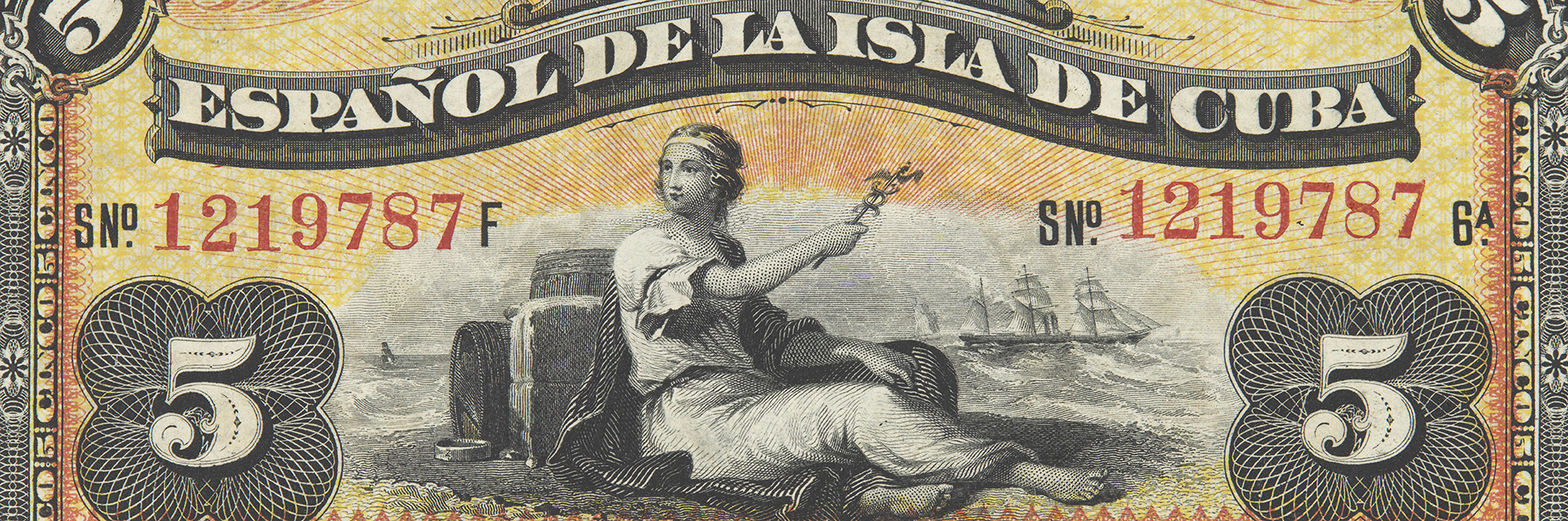
The 19th century was an era of dynamic technological, economic and cultural change, which also had a significant impact on the development of money. The exhibition aims to shed light on the history and widespread adoption of paper money in various countries across Europe, Asia and the Americas, which became the basis for modern currencies.
In many regions, it appeared for the first time during this period. During the French Revolution (1789–1799), the state began issuing paper notes on a massive scale, which were initially intended to resolve the country’s financial problems. However, their excessive supply quickly led to a loss of value and significance as a means of payment. During the Kościuszko Uprising (1794), treasury notes were introduced, among the first of their kind to be issued in Poland. A breakthrough in paper production in the mid-19th century enabled the development of new graphic designs for banknotes, which increasingly reflected the realities of life in that era. This period also saw the rapid growth of the stock exchange, which began to play a key role in the economy. It became a venue where shares and bonds were traded, facilitating the rapid flow of capital and the financing of major industrial projects, including the expansion of the railway infrastructure. At the same time, the monetary systems of individual countries were taking shape. The international gold standard gained particular significance. It was based on linking the value of money to a specific quantity of gold, which was intended to ensure financial stability. Banknotes could also be exchanged for gold, though only in certain countries and under varying conditions. The exhibition also features substitute currency in the form of vouchers and receipts, issued by estates and enterprises in response to a shortage of small change, as well as lottery tickets, which served as a source of income for both the state and individual lucky winners. The items on display come mainly from the collections of the National Museum in Kraków’s Numismatic Cabinet, with many of them being shown to the public for the first time.
Curator: Barbara Zając
23.10.26 – 11.04.27
 MNK Czapscy
ul. Piłsudskiego 12, 31-109 Kraków