


27.03.26 – 29.06.26


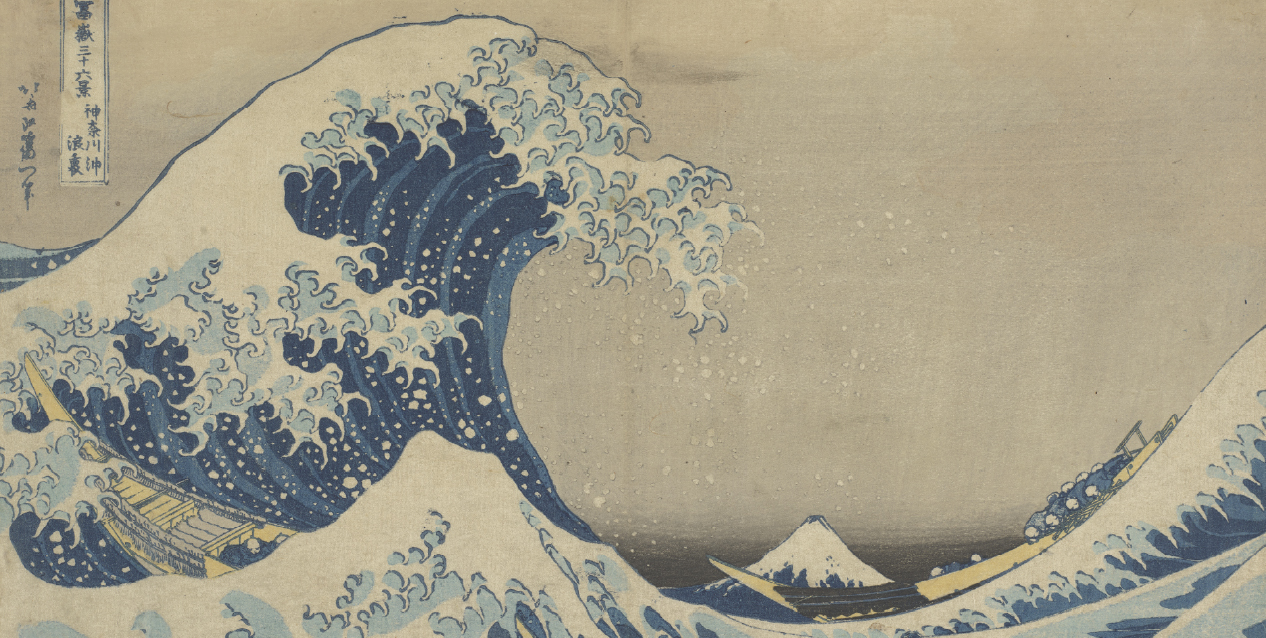
Katsushika Hokusai (1760–1849) is one of the most important artists of Japanese woodblock printing from the Edo period (1603–1868). His works depict a world captured in motion and constant flux, characteristic of the ukiyo-e aesthetic (literally ‘pictures of the floating world’).
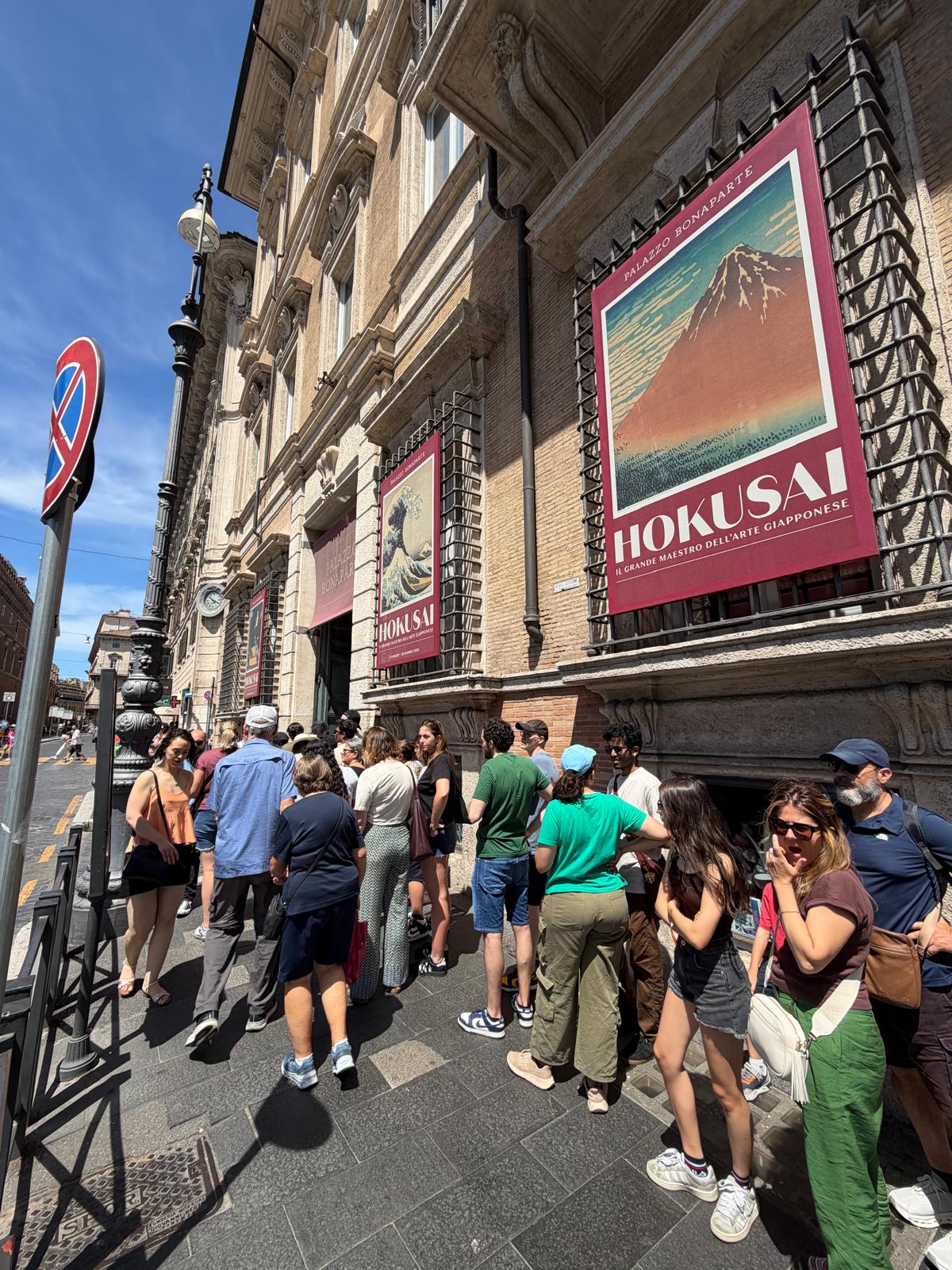
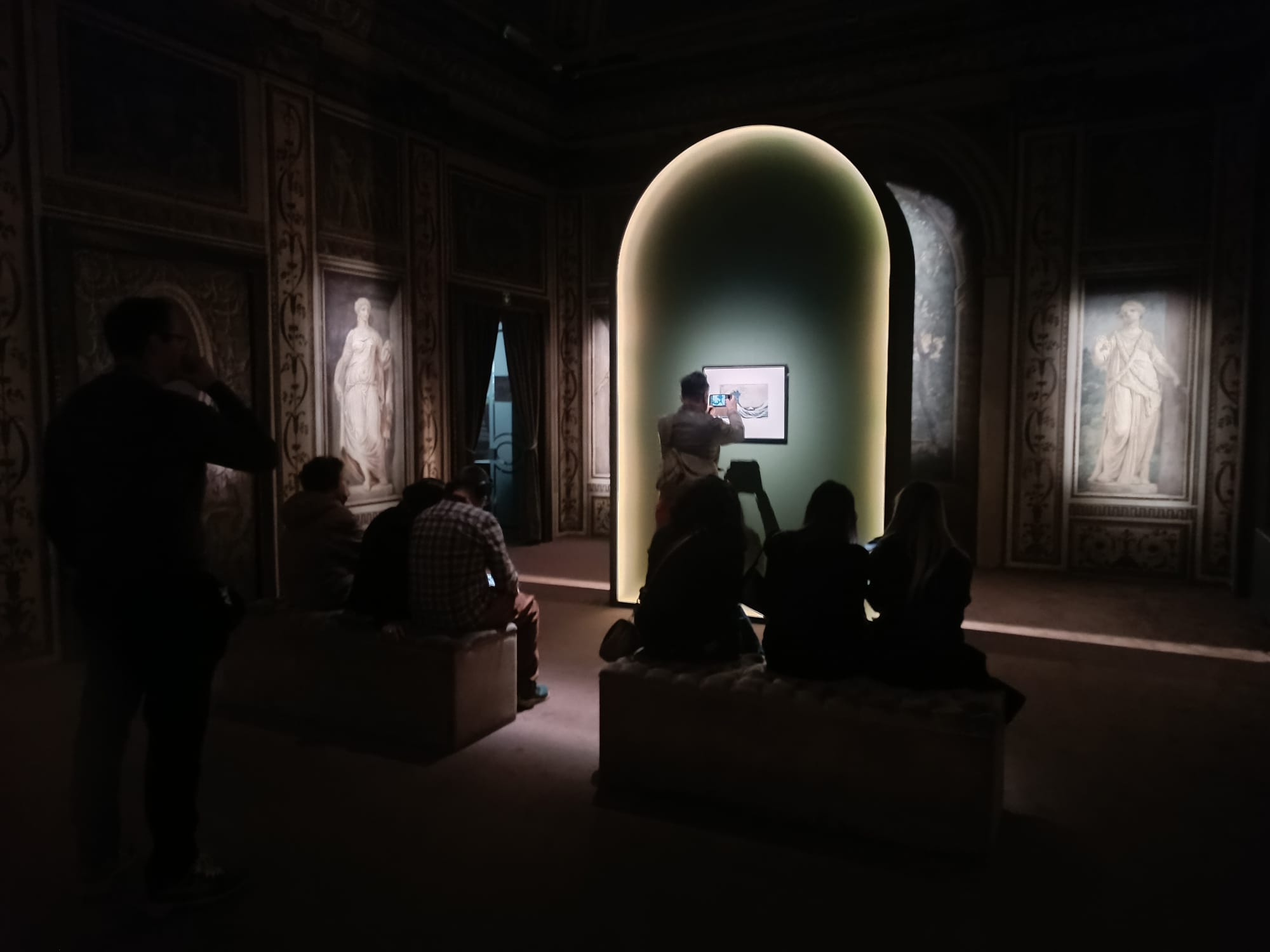
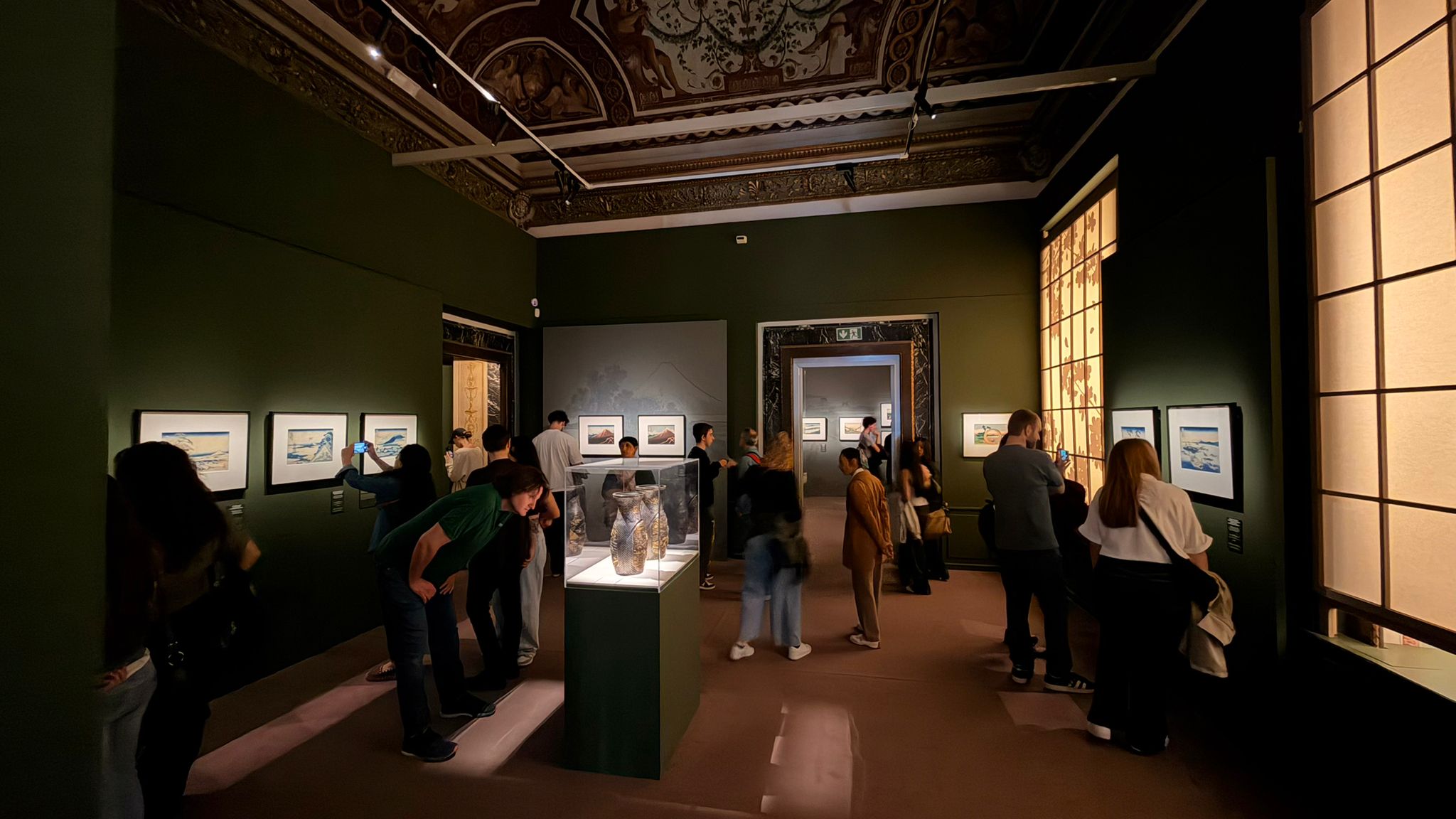
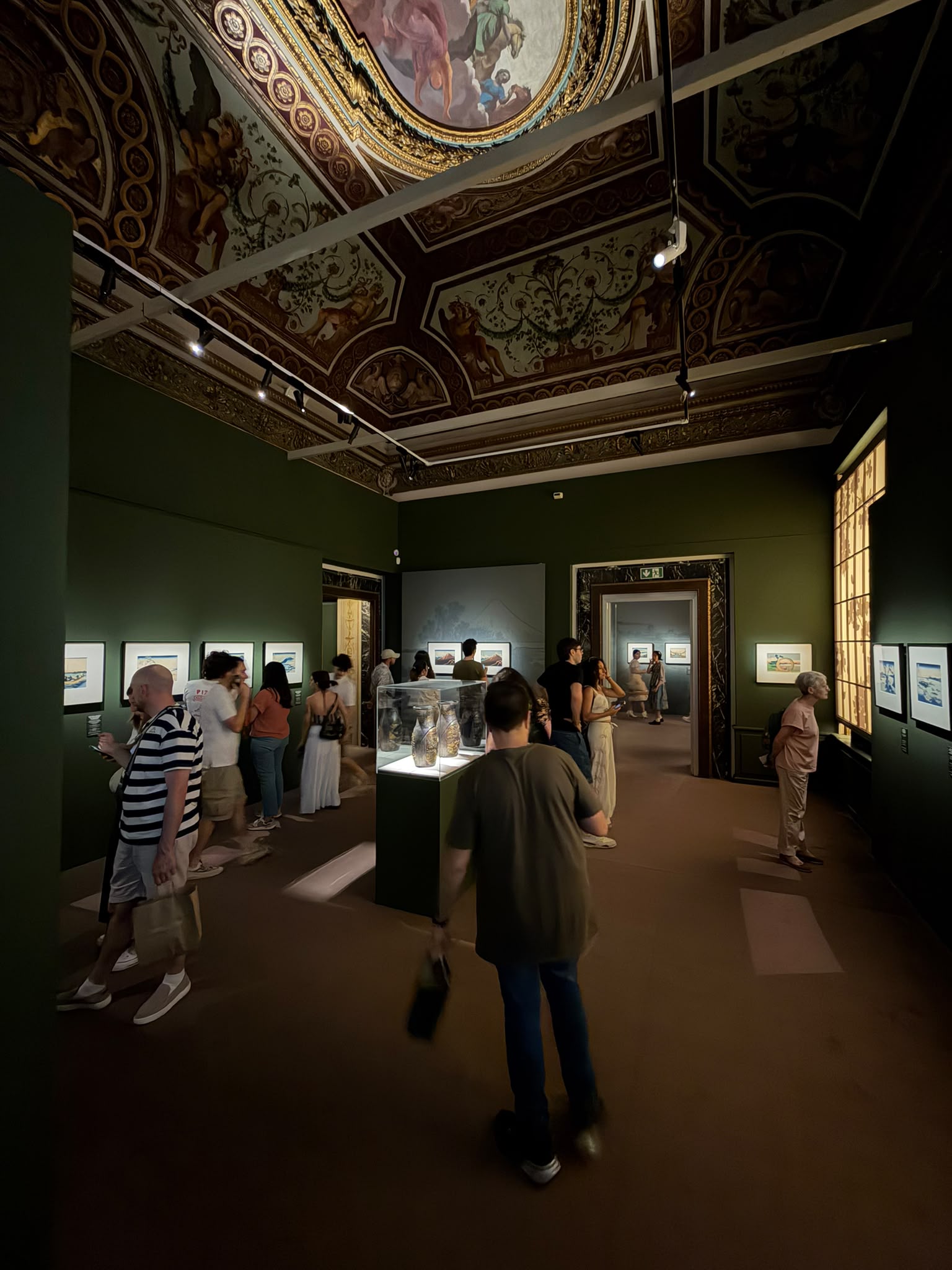
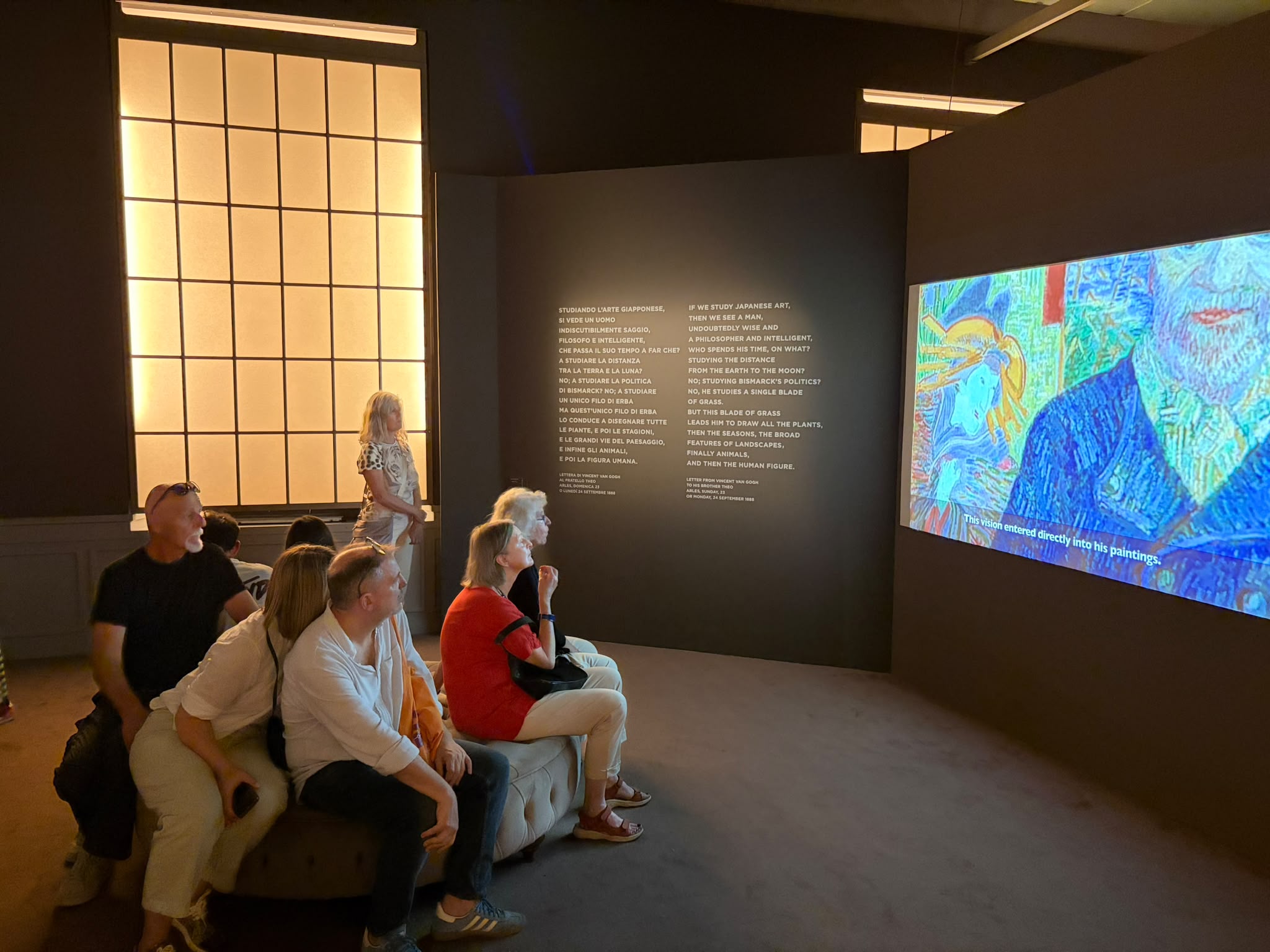
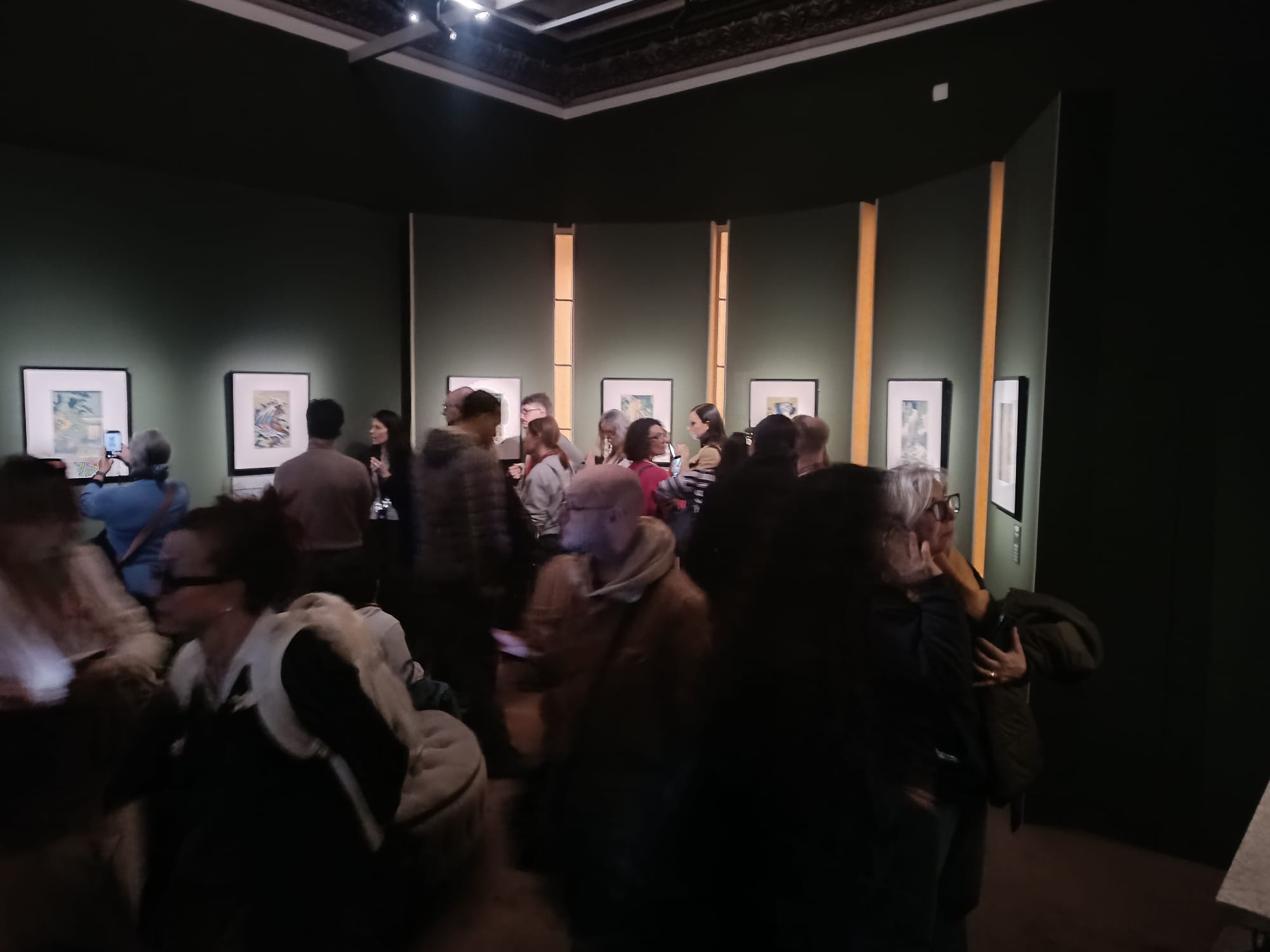
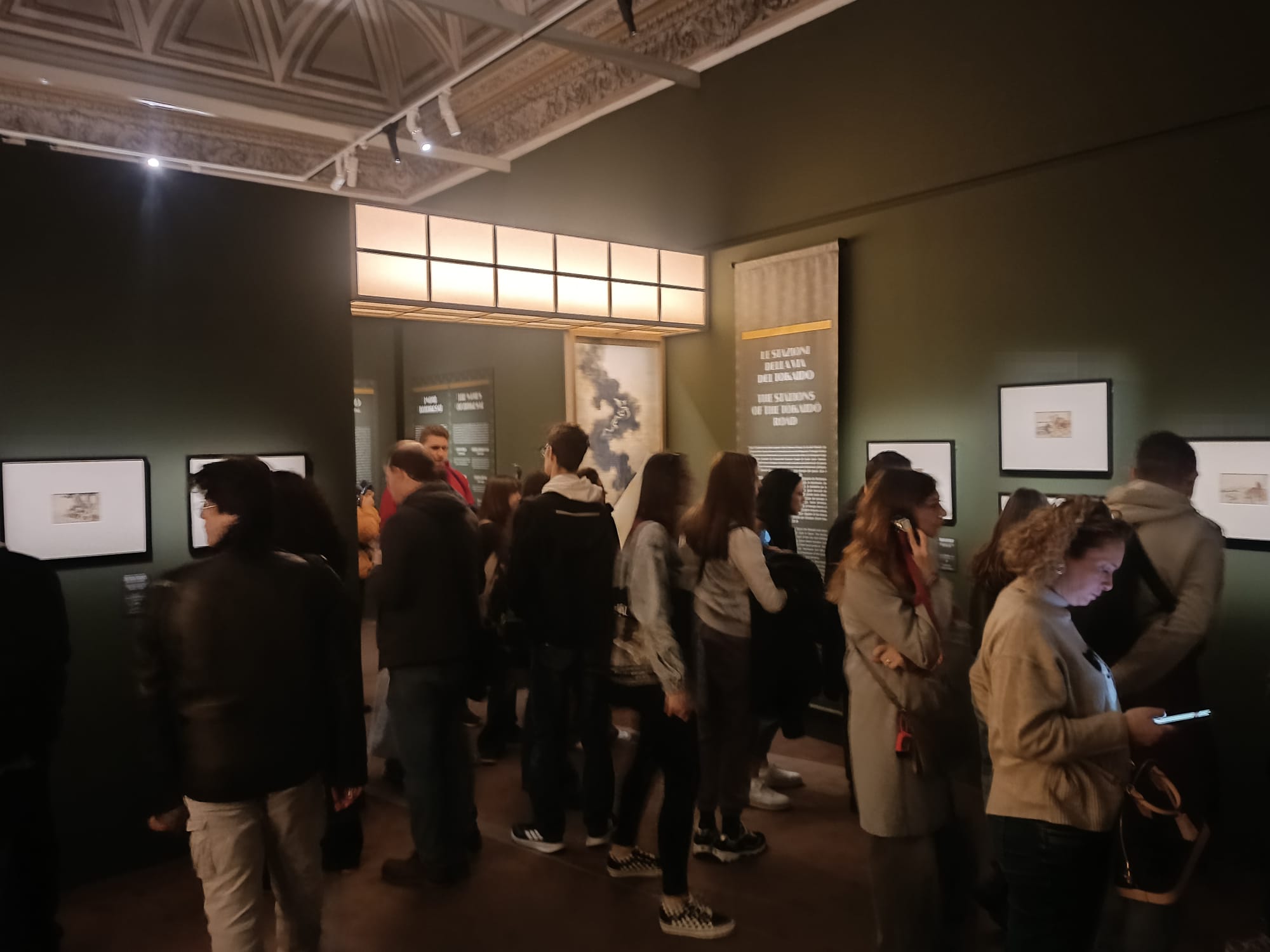
This monographic exhibition dedicated to the work of Katsushika Hokusai, organised by the National Museum in Kraków and presented at the Palazzo Bonaparte in Rome, showcases the artist’s oeuvre within the broader cultural context of Edo-period Japan. The exhibition features works by Hokusai alongside selected examples of Japanese arts and crafts related to everyday life of the time, forming a coherent narrative based entirely on the National Museum in Kraków’s own collections.
Katsushika Hokusai was an exceptionally versatile artist who developed his artistic language throughout his life, seeking new formal solutions. His oeuvre comprises, above all, extensive landscape series, nature paintings, compositions referencing history and literature, commemorative prints, as well as pattern books and sketchbooks. He was one of the first Japanese artists whose work gained widespread recognition outside Japan and exerted a significant influence on 19th-century European art. To this day, he remains an important point of reference for popular culture, thanks in part to the ‘Hokusai Manga’ series, which played a significant role in the emergence and development of the modern Japanese comic. The exhibition features nearly 200 of his works – including both woodblock prints and illustrated albums.
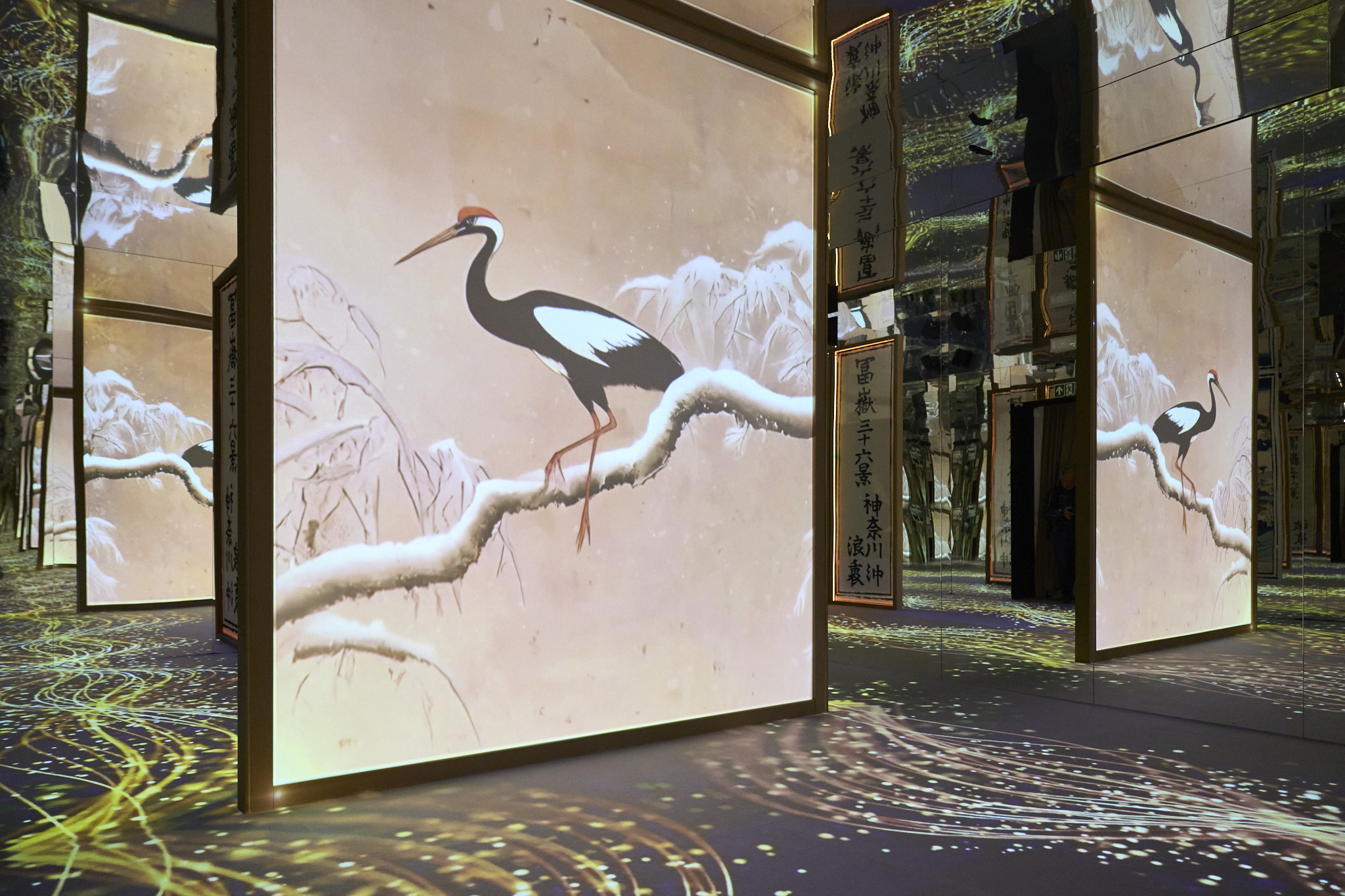
The exhibition in Rome coincides with the 160th anniversary of diplomatic relations between Japan and Italy, placing the Polish collection within this special context. Beata Romanowicz, a Polish curator and head of the Far Eastern Art Department at the National Museum in Kraków, is responsible for the exhibition’s concept. She designed it specifically for the Palazzo Bonaparte, taking into account the character of the interiors and the decorative elements present within them, including a sculpture by Antonio Canova (1757–1822), one of the most outstanding representatives of European Neoclassicism, whose work developed in parallel with that of Hokusai.
The starting point for the exhibition itself are the writings of Feliks ‘Mangghi’ Jasieński – a collector whose donation in 1920 played a key role in the development of the Japanese collections at the National Museum in Kraków.
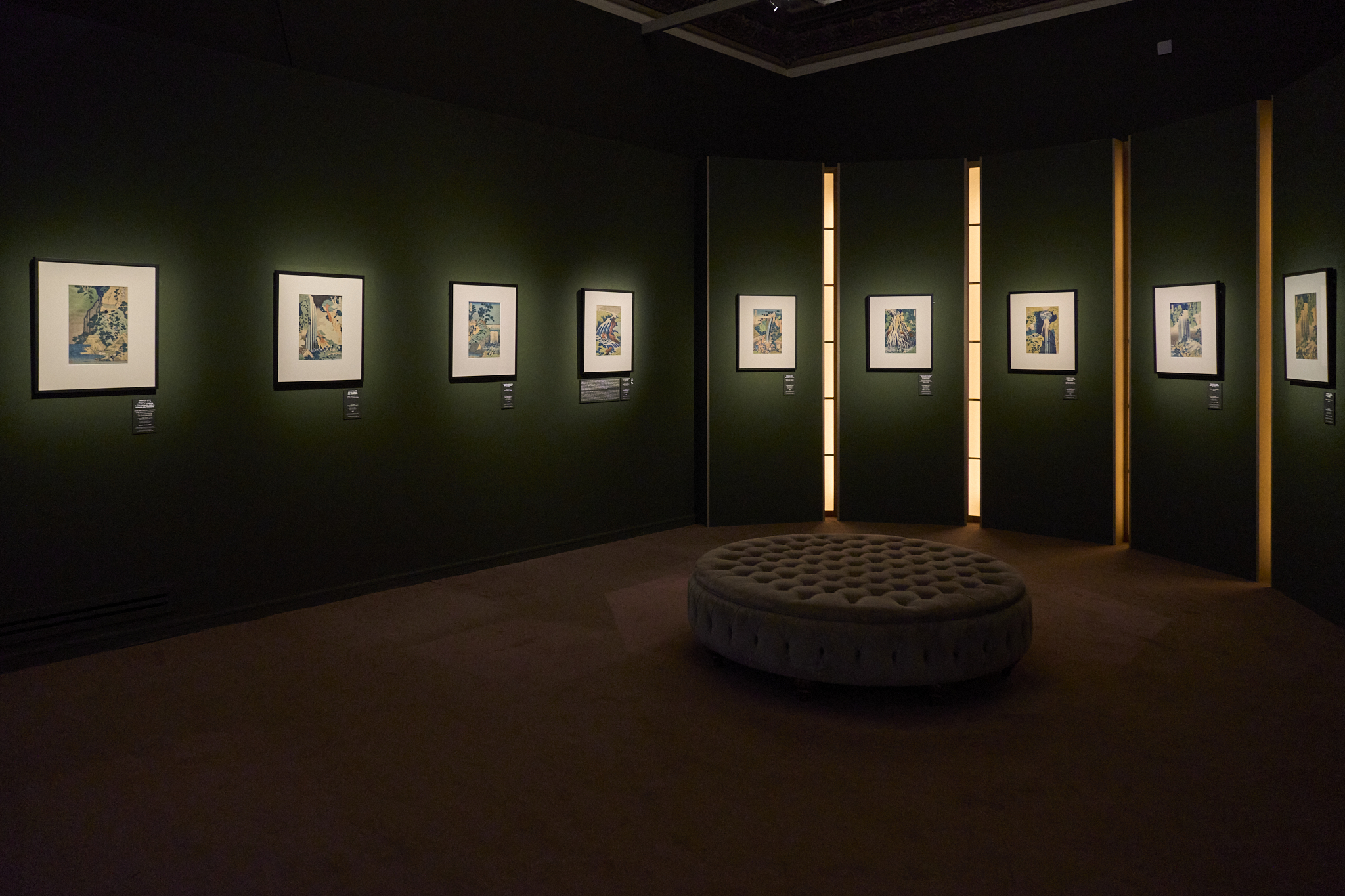
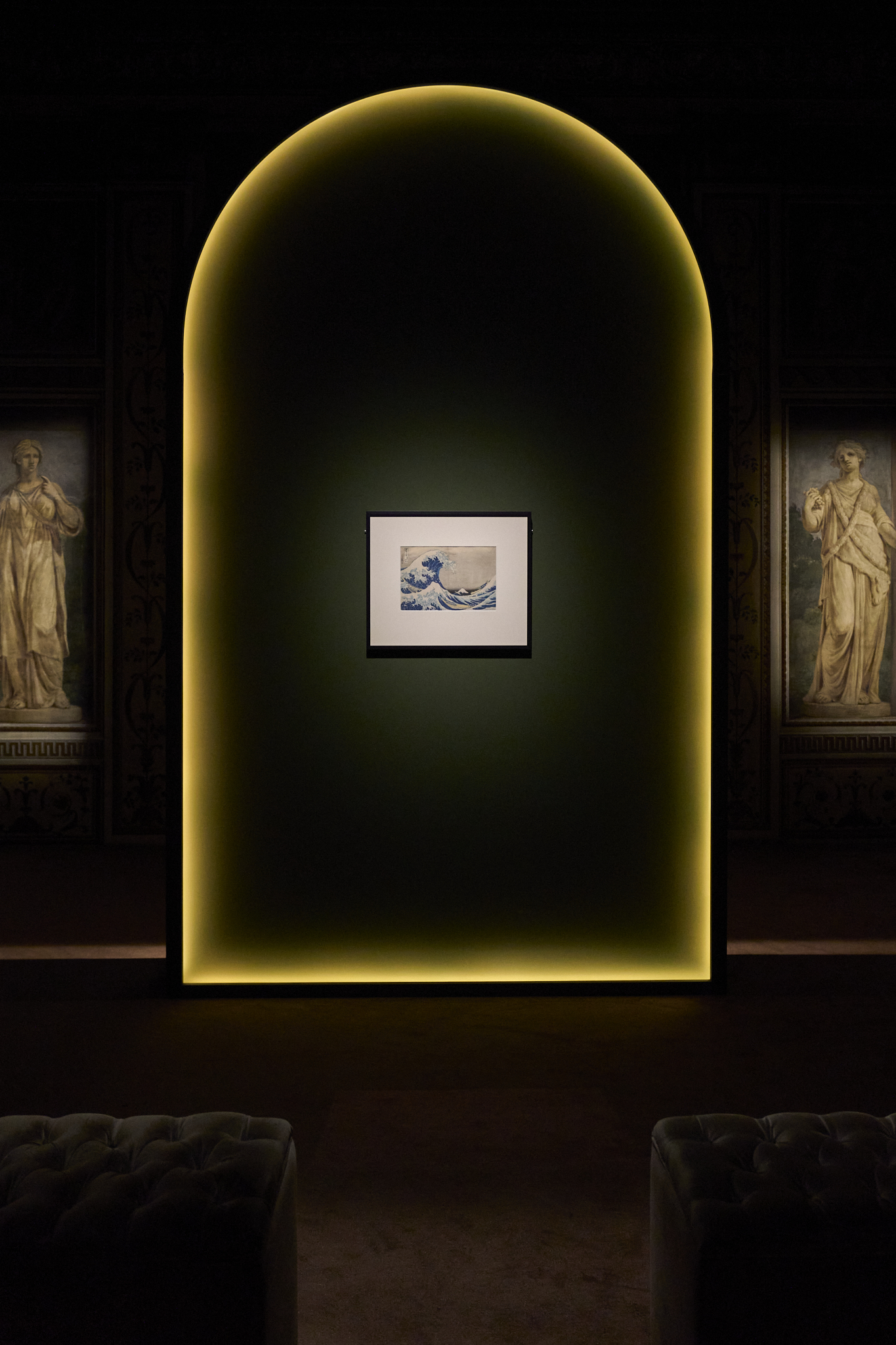
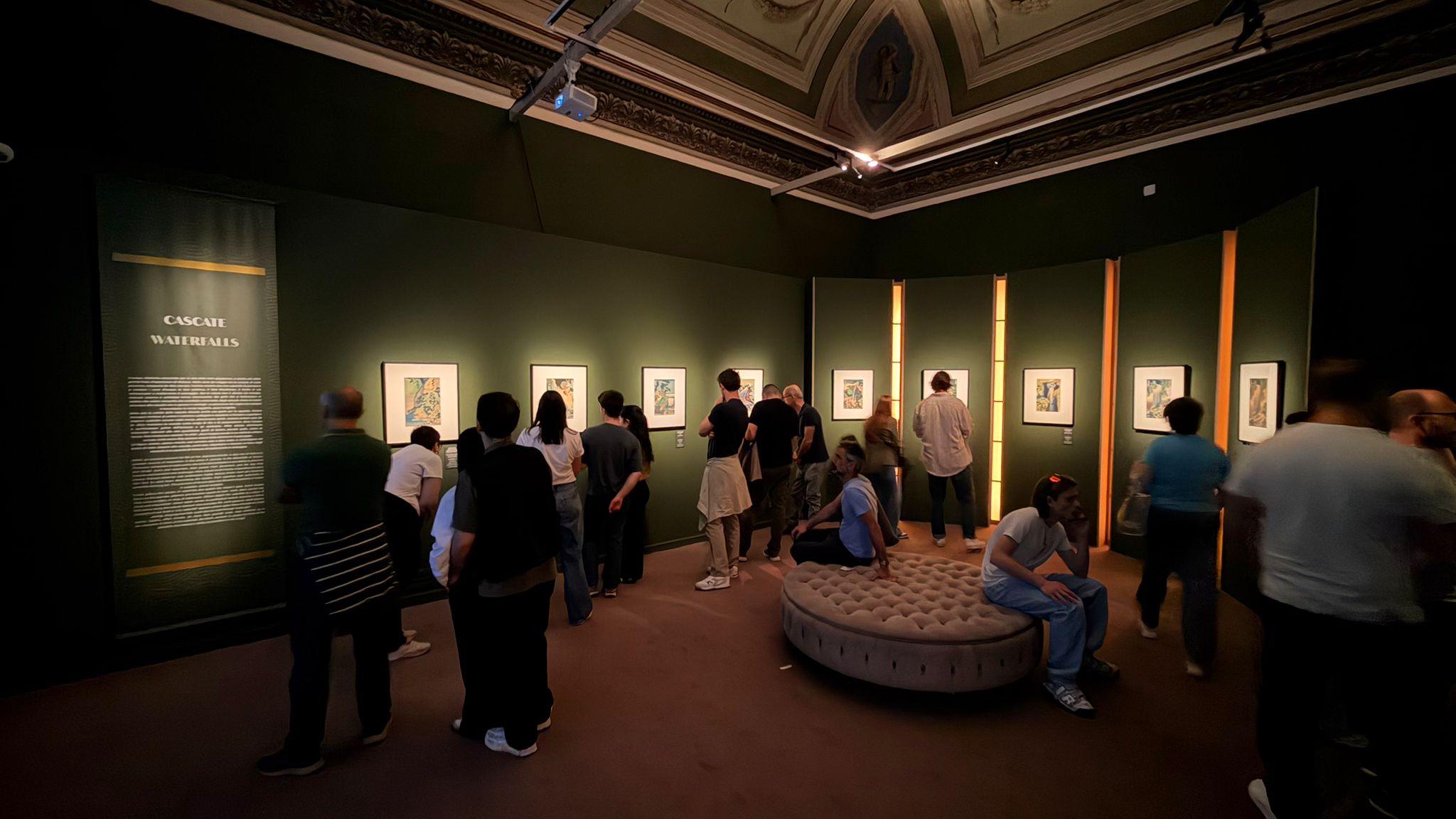
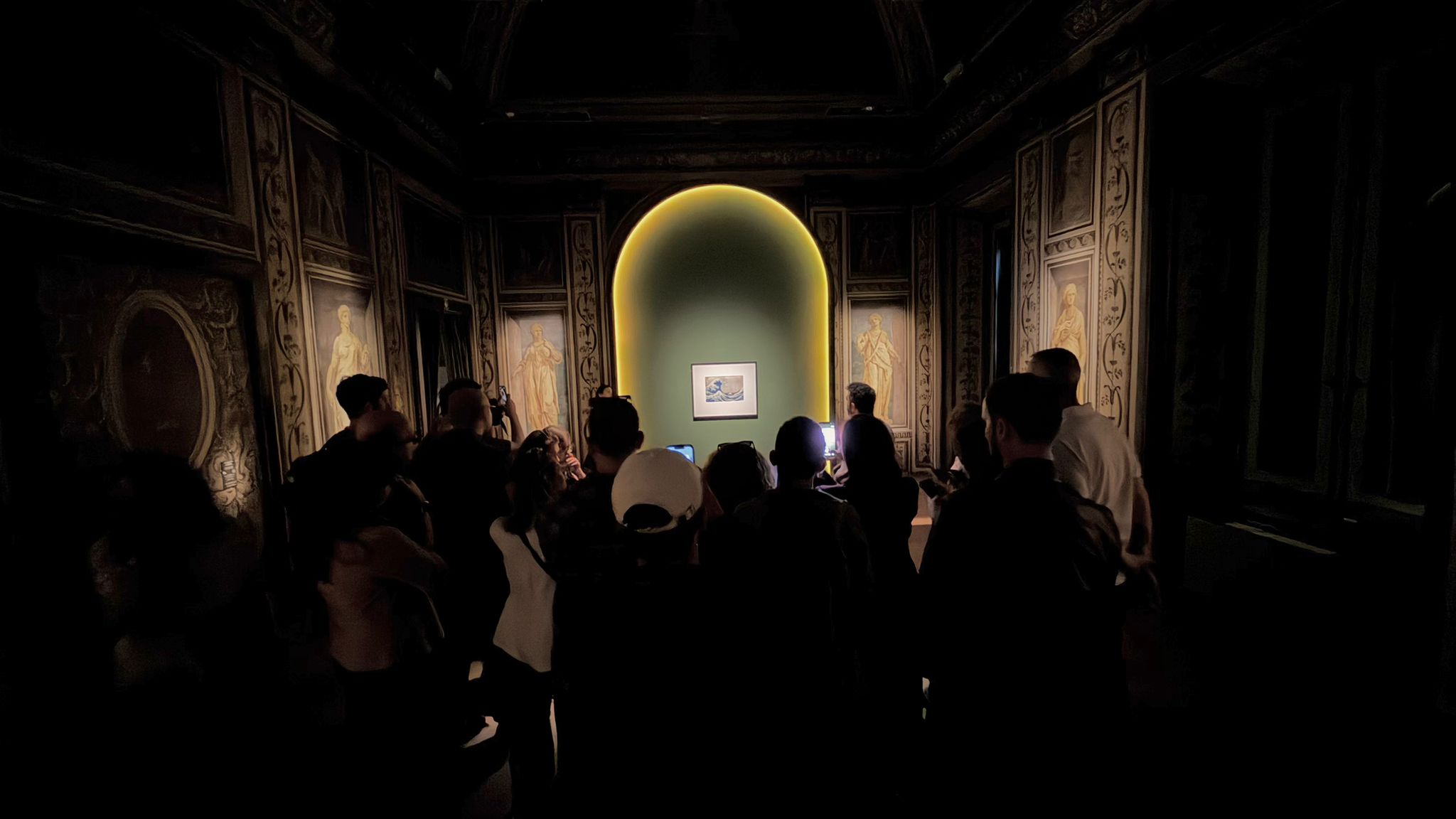
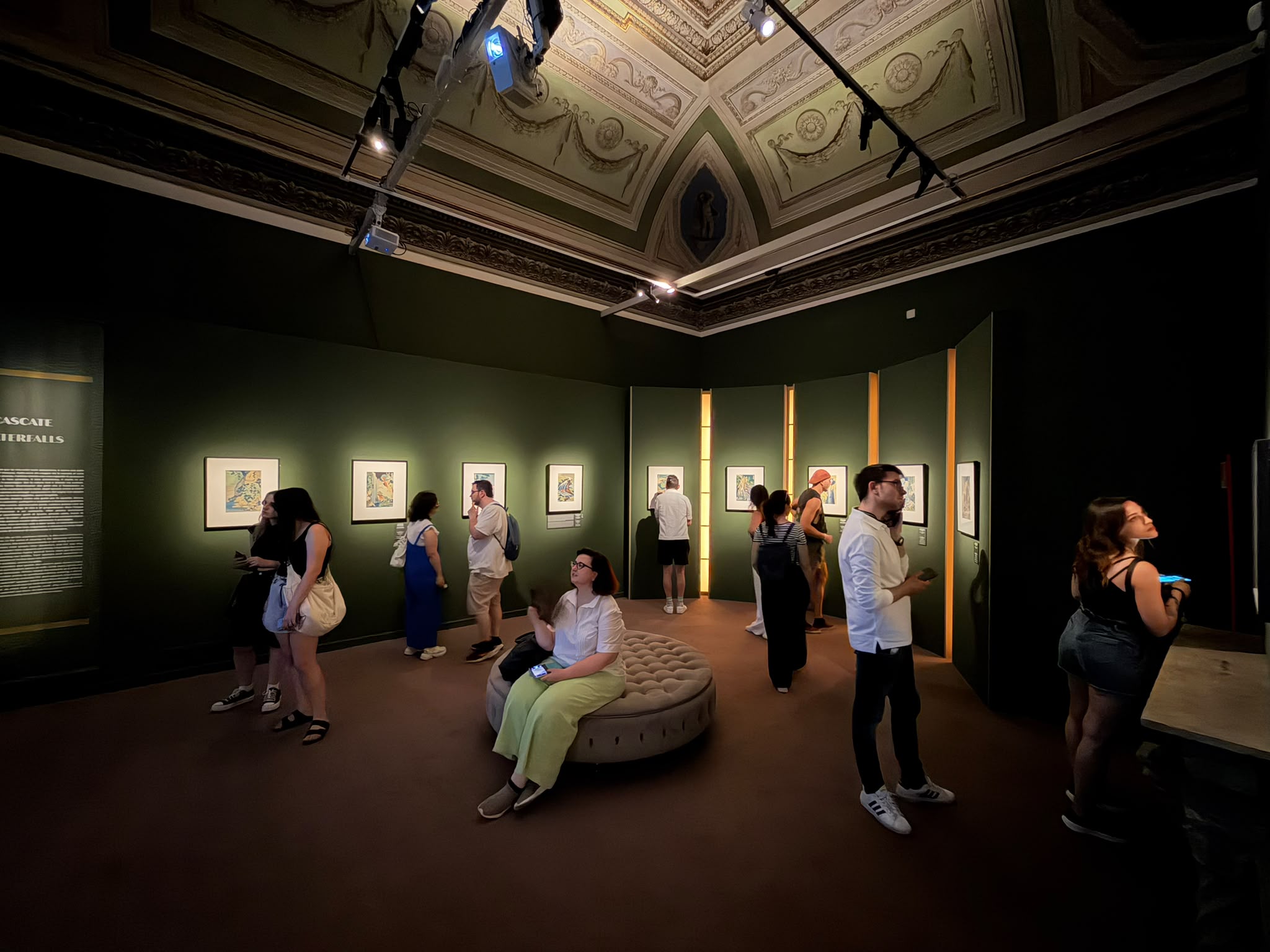
His reflections accompany the subsequent sections of the exhibition, guiding the viewer through the diverse themes of Hokusai’s work – from depictions related to the Tōkaidō, the most important transport route in Edo-period Japan, to the motifs of nature and the elements present in the series ‘Views of Waterfalls in Various Provinces’ and in the series “Thirty-six Views of Mount Fuji”, which includes the artist’s most recognisable compositions, such as “The Great Wave off Kanagawa” and “Fine Weather with a Southerly Wind”.
Subsequent sections of the exhibition showcase other areas of Hokusai’s work – series inspired by literature and poetry, including “One Hundred Poems by One Hundred Poets as Told by a Wet Nurse”. Alongside these are collections of surimono – commemorative prints of high artistic and technical quality, created to order and distinguished by their particular attention to form. A significant part of the exhibition is also devoted to his sketchbooks and pattern books, represented, among others, by the “Hokusai Manga” series. The whole is complemented by fantastical depictions – ghosts and apparitions – revealing the fantastical world present in the artist’s work.
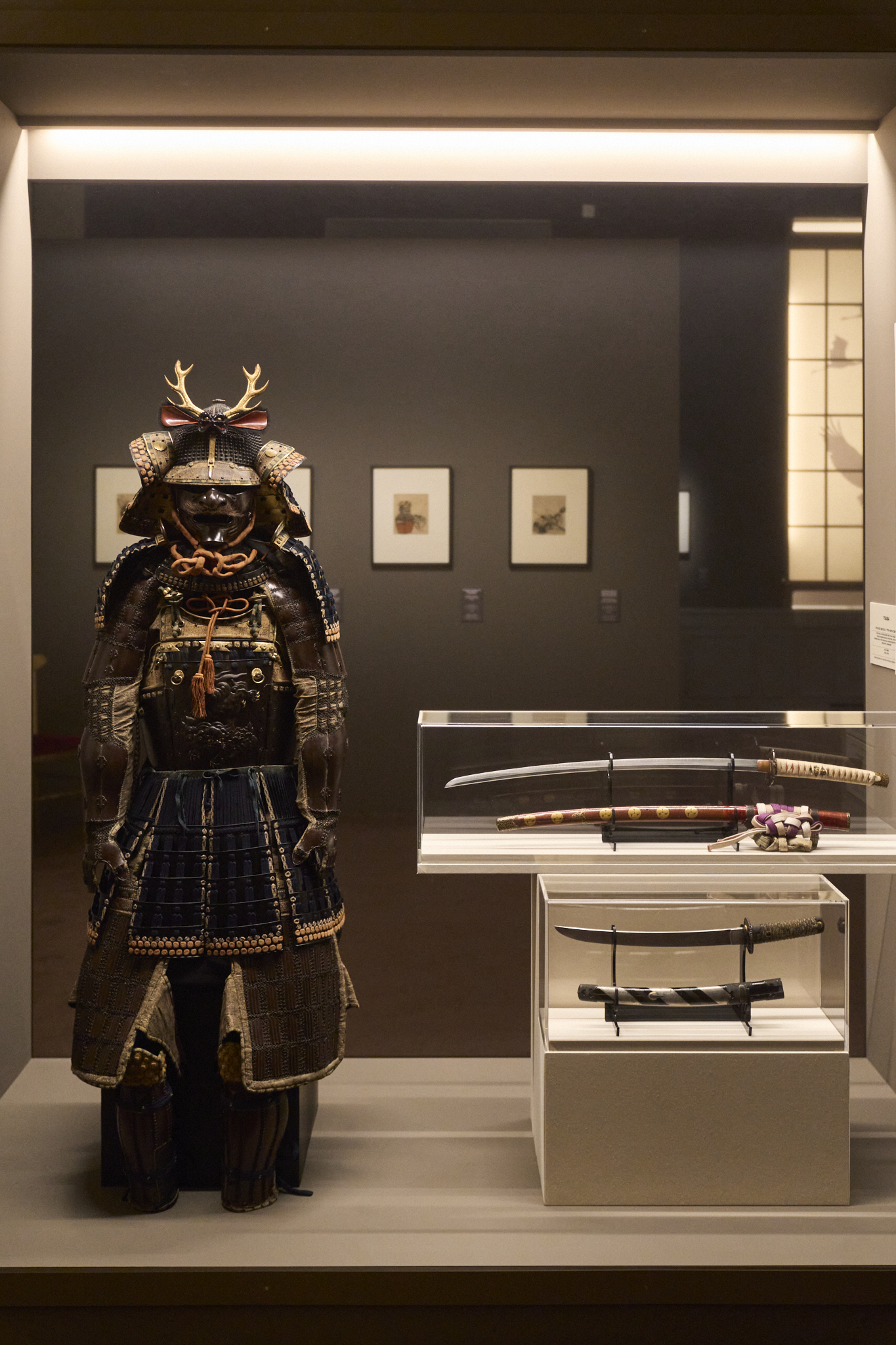
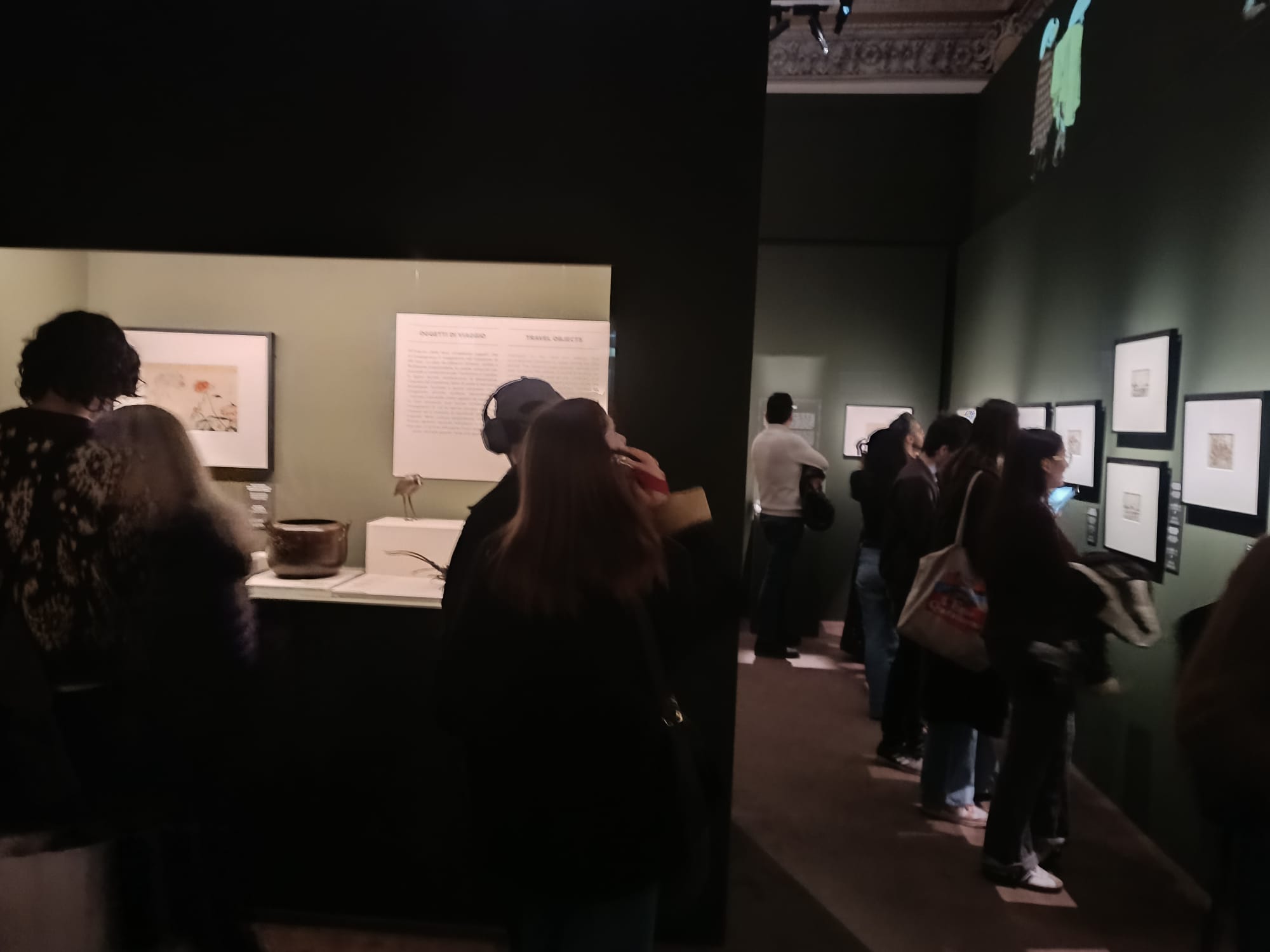
This narrative is further enriched by the examples of Japanese artistic craftsmanship on display – some 150 objects that allow Hokusai’s work to be situated within the context of the material culture of the Edo period. The exhibition features lacquerware, including inrō boxes, as well as cups and combs. These are accompanied by items of armour and sword fittings, showcasing the artistry of Japanese metallurgy and craftsmanship. A separate section is devoted to textiles, including kimonos of varying degrees of formality, obi sashes, haori jackets and furoshiki wraps. The collection is complemented by ceramic objects and bronze castings, evoking the natural world.
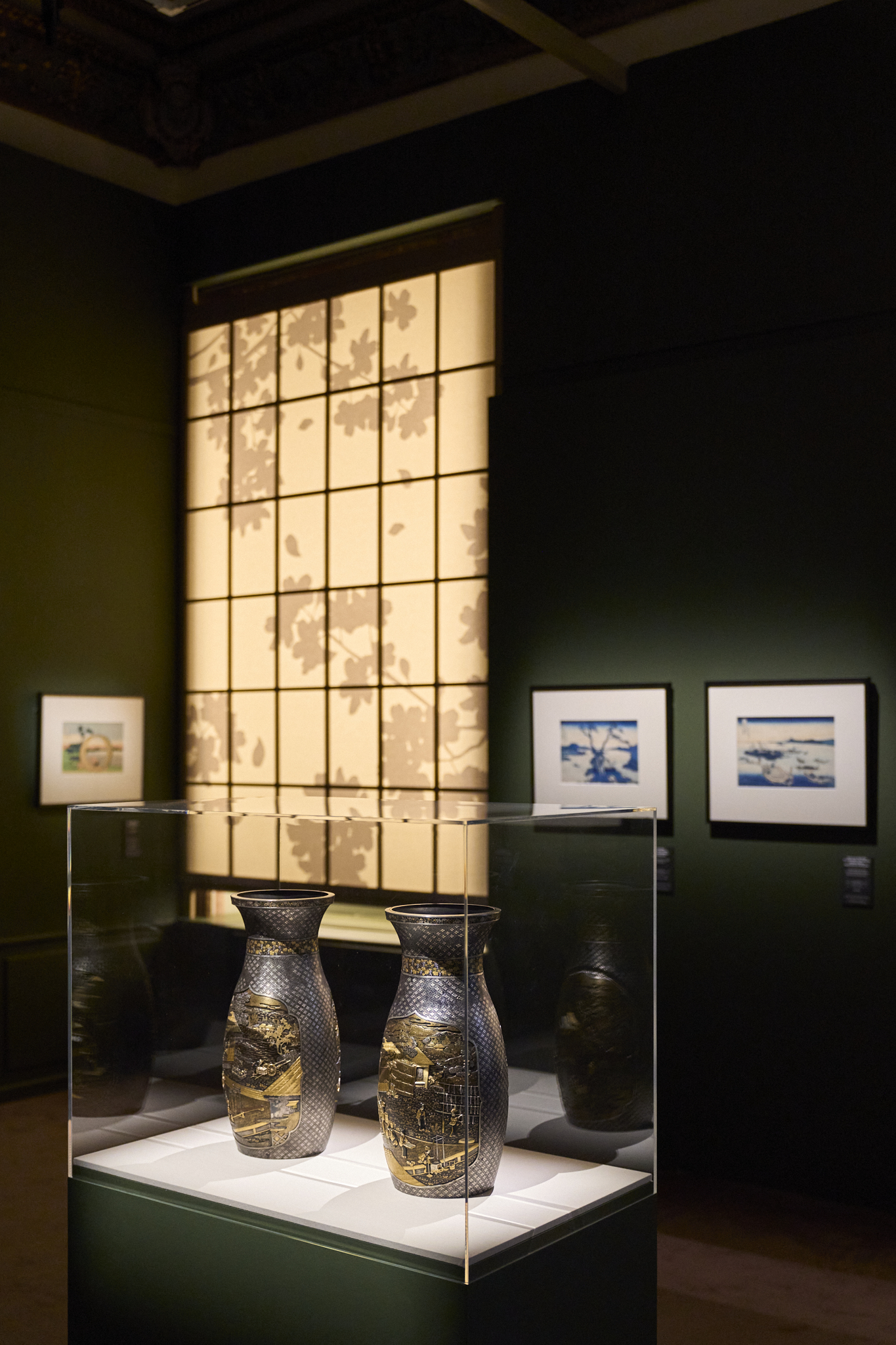
The combination of woodblock prints and craft objects allows Hokusai’s work to be viewed in a broader perspective, whilst also providing an introduction to the history of Japanese art collecting at the National Museum in Kraków. The exhibition features carefully selected items from various stages of the collection’s development – from the earliest donations, including two vases decorated with scenes of silk production, donated in 1892 by Wiktor Osławski, a patriot and the museum’s first donor of Far Eastern artefacts, to the most recent acquisitions, represented, among others, by a donation of woodblock prints to the museum by Dr Jens Wiebell in 2018.
The exhibition is accompanied by a catalogue in Italian by Beata Romanowicz, containing texts and notes on the woodcuts and selected examples of decorative arts featured in the exhibition. The Hokusai exhibition has also been covered by prestigious international media, including the Italian newspapers ‘Corriere della Sera’ and ‘La Repubblica’.
Curator: Beata Romanowicz