





 MNK Szołayscy
pl. Szczepański 9, 31-011 Kraków
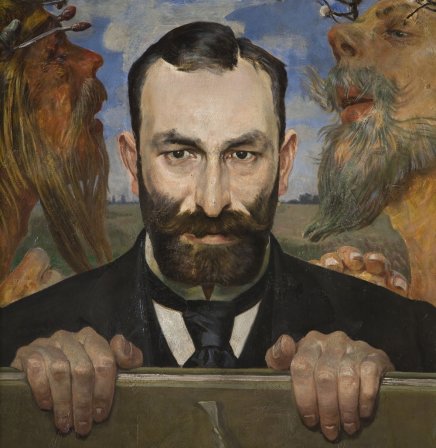
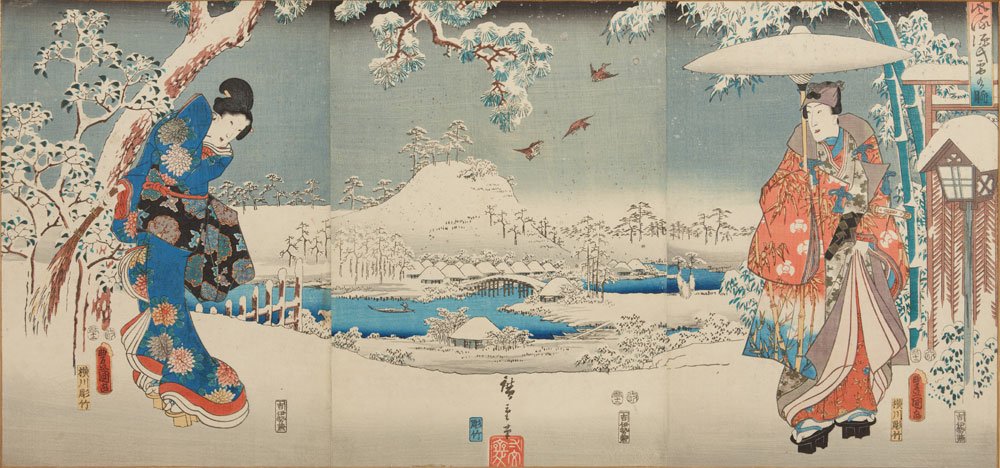
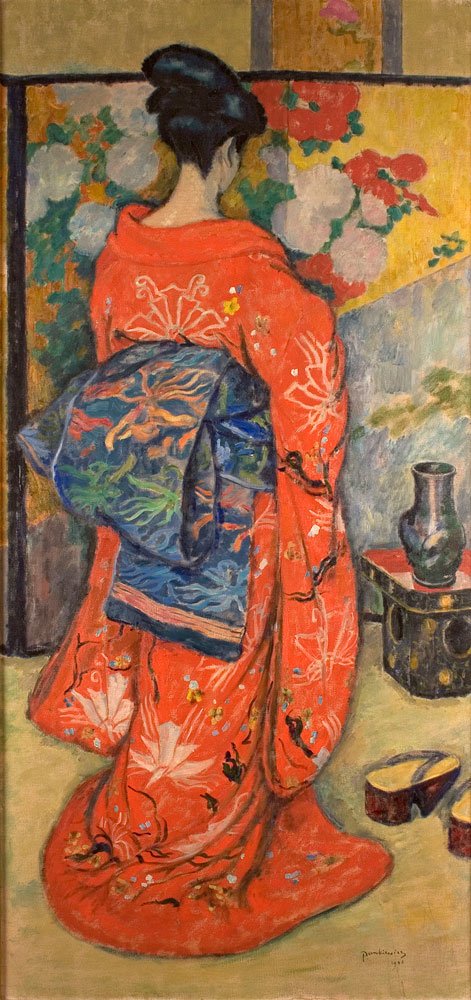
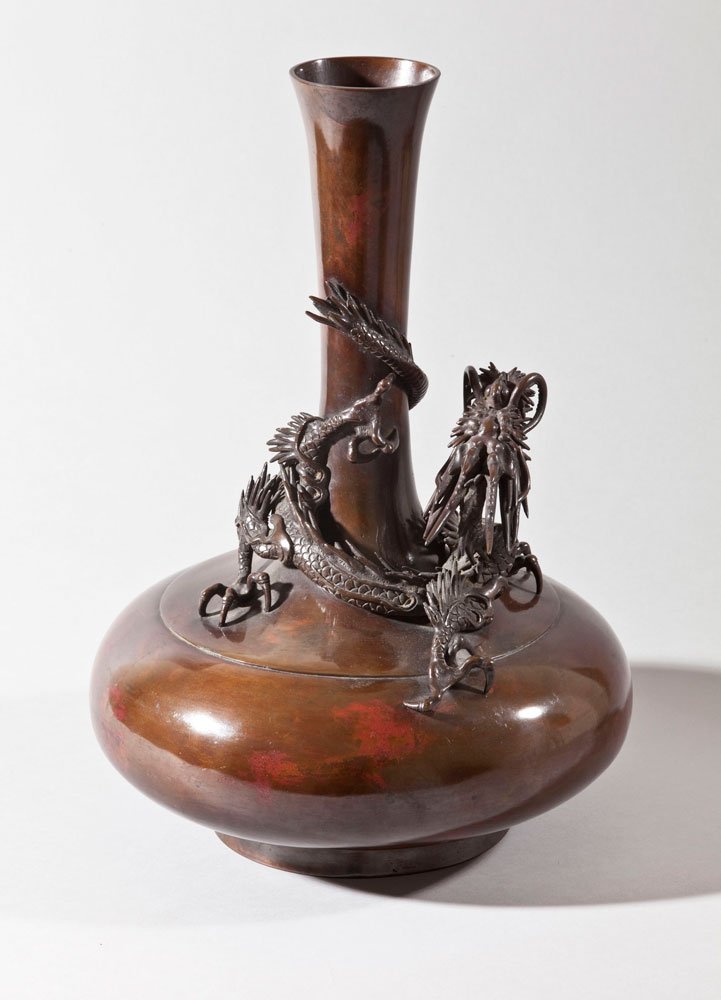
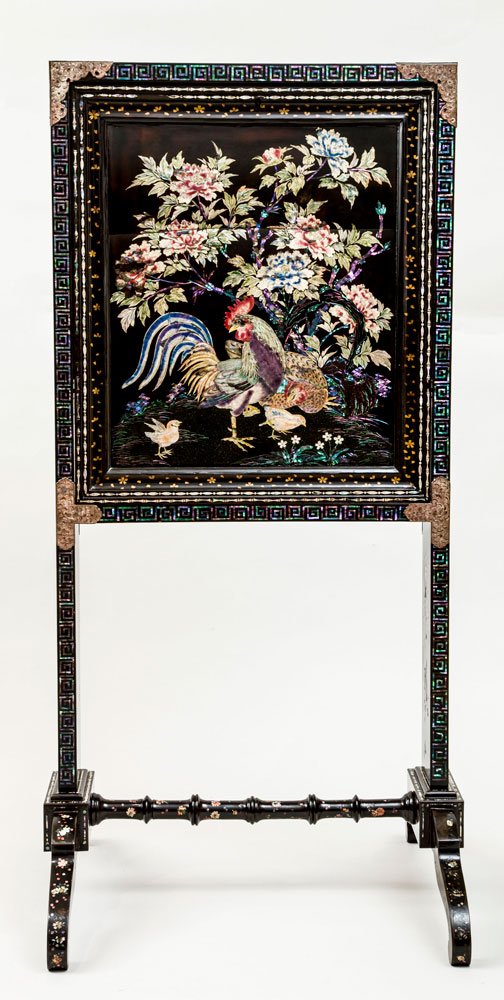
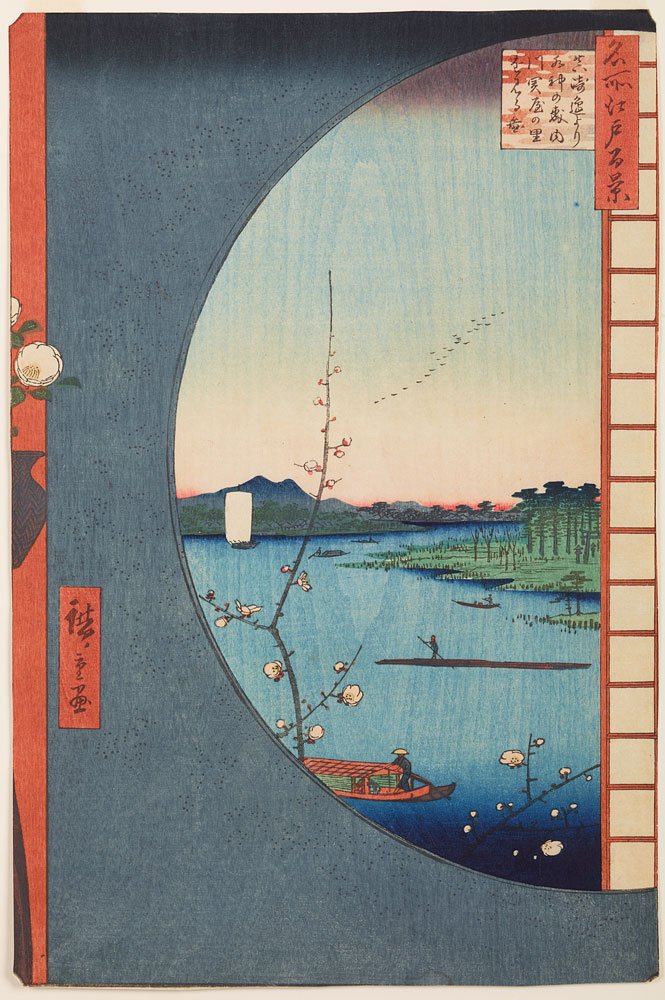
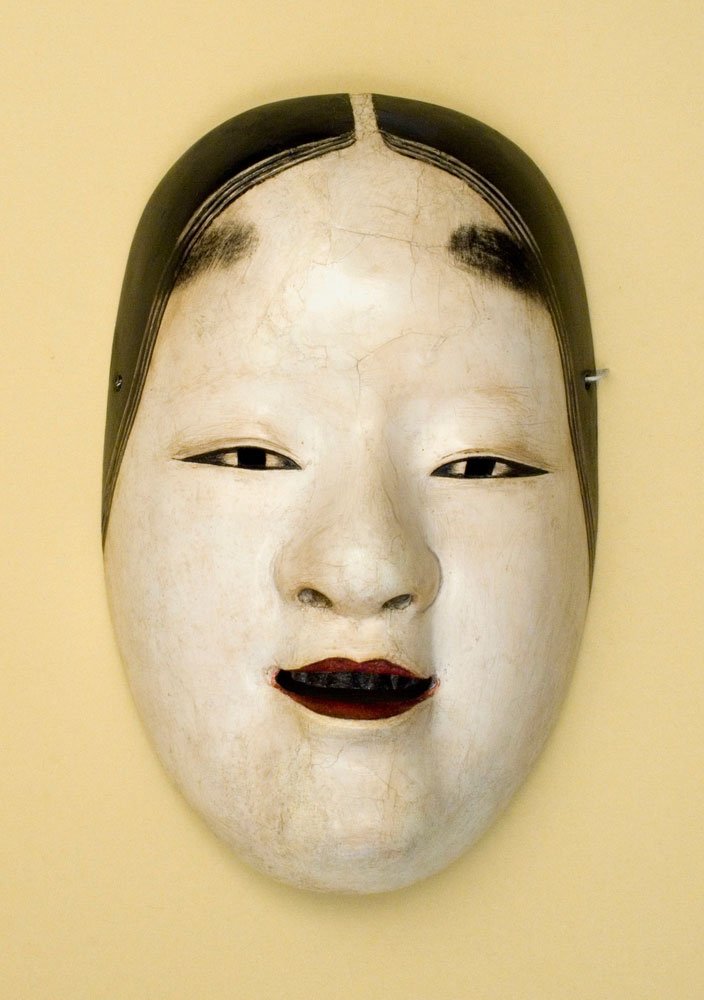
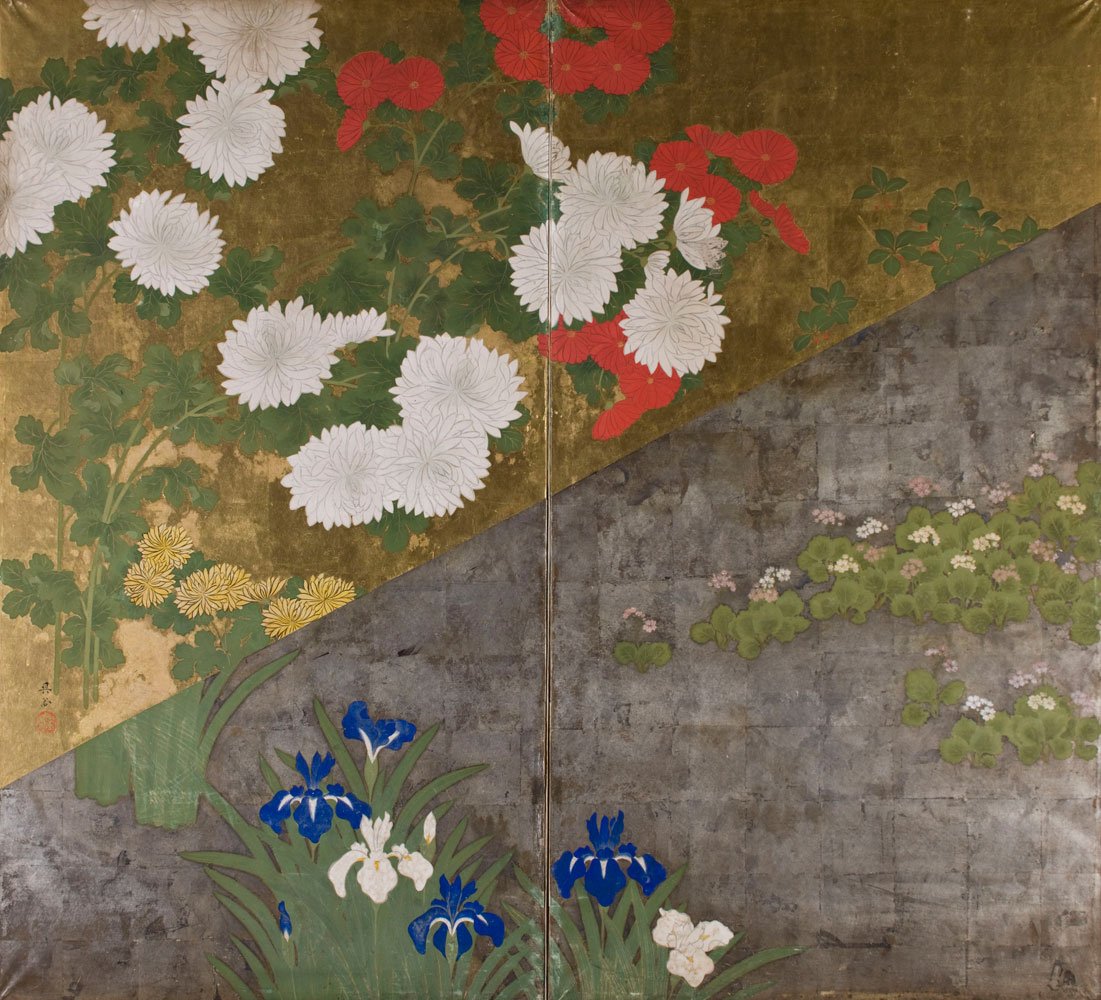
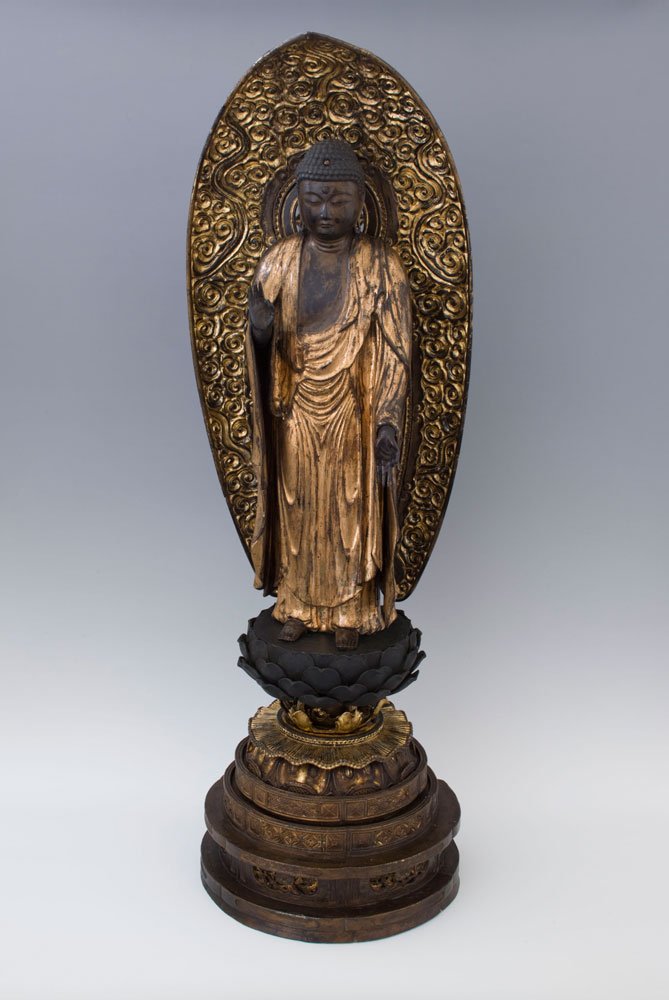
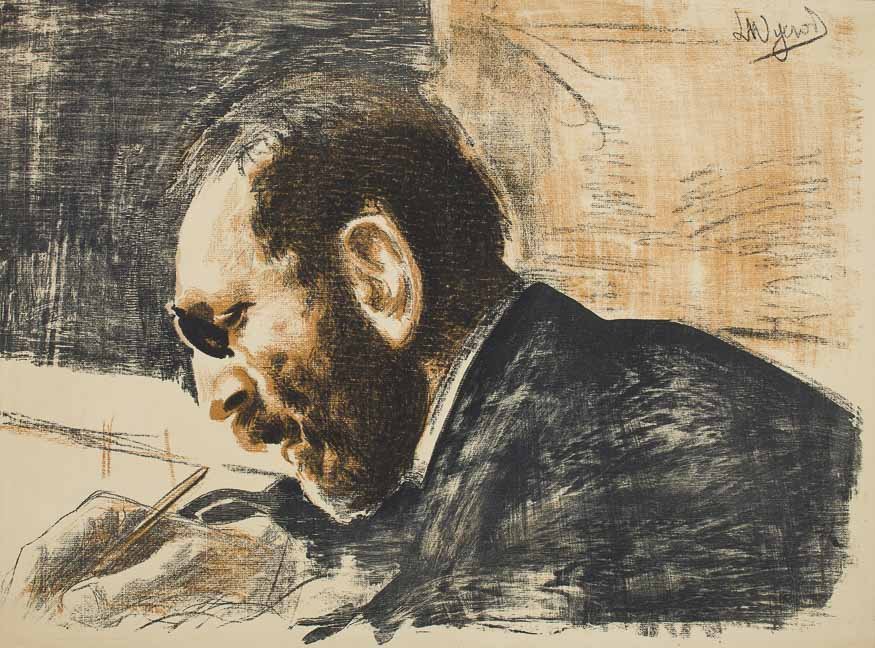
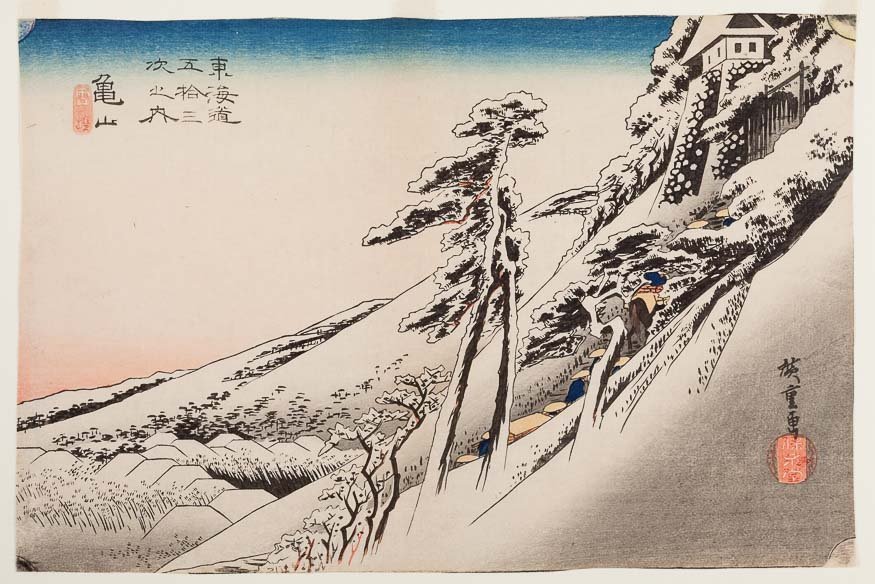
An important place in Jasieński’s collection belongs to art from the Far East, including Japanese and Chinese painting, Buddhist sculpture, textiles, small objects made of bone, wood, lacquer, bronze and enamel, Japanese and Chinese ceramics, as well as Japanese militaria and other exhibits. However, special attention should be paid to the incredibly impressive collection of Japanese colour woodcuts, currently consisting of over 4600 items. This part of the collection suffered considerable damage during the Second World War, when the Nazis looted nearly 500 prints. Nevertheless, the collection still remains one of the most valuable in Europe, and its status is based on the names of such outstanding masters of Japanese woodcuts of the Floating World genre as Harunobu, Toyokuni, Utamaro, Hiroshige, Kuniyoshi, and others. Other valuable works include those by Katsushiki Hokusai, whose art inspired Jasieński to adopt one of his pseudonyms – Manggha. Thanks to the involvement of the collector, who was enraptured by Japanese culture, this particularly valuable collection of Japanese objects became the source of various inspirations for the artists of his generation – the creators of Polish Modernism – who inscribed Polish art in the pan-European trend of changes taking place in the art of the turn of the century.
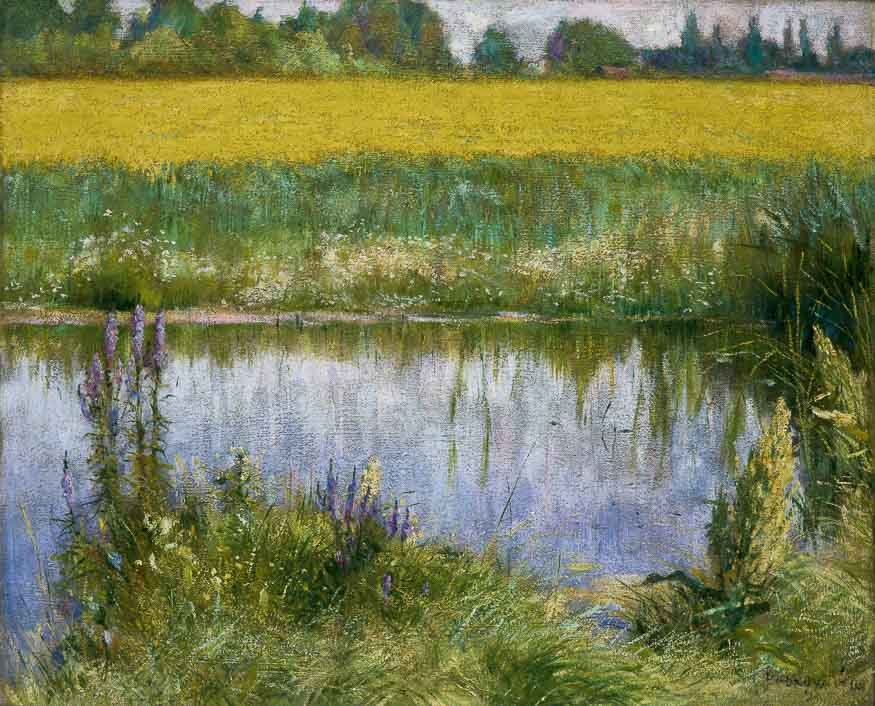
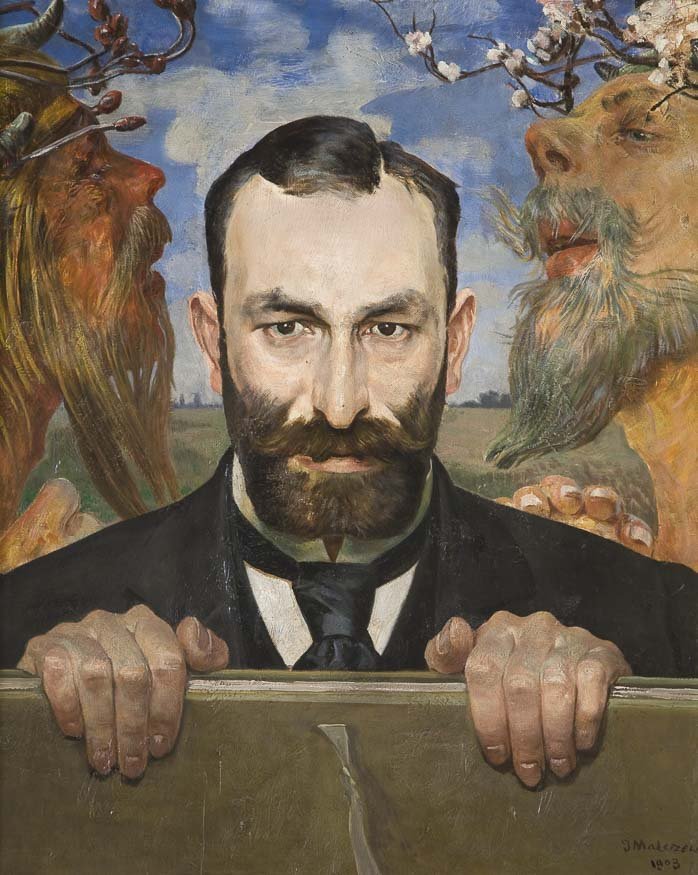
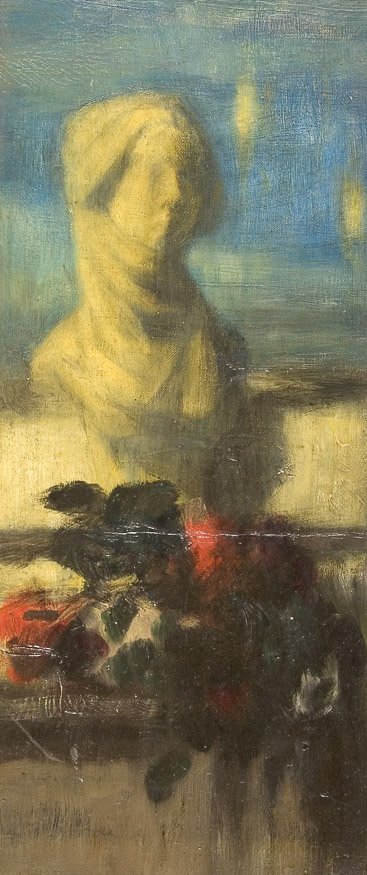
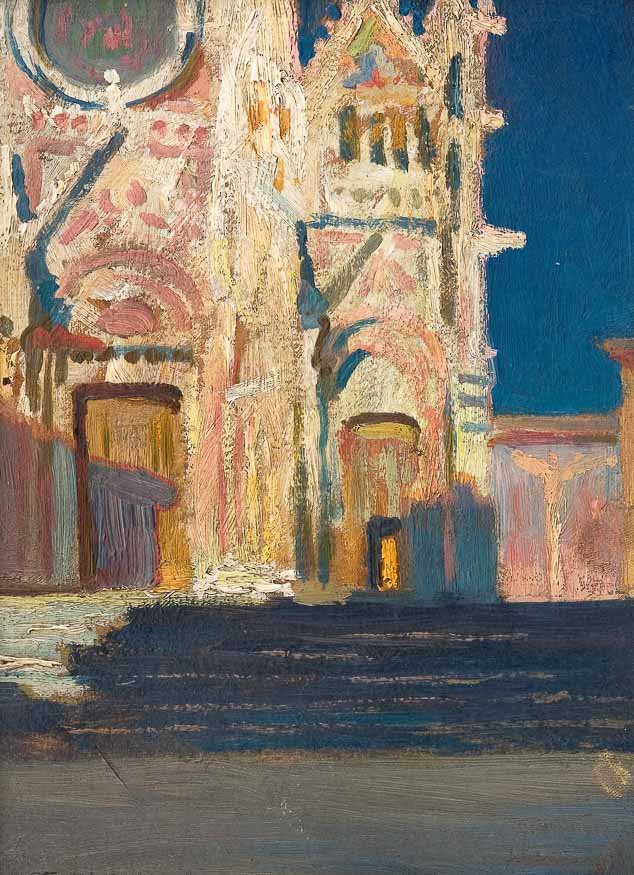
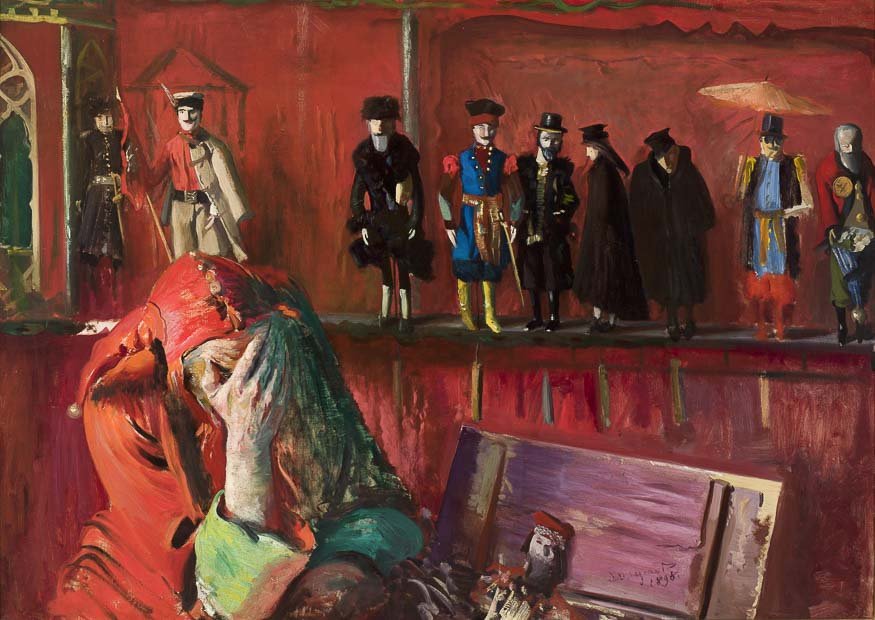
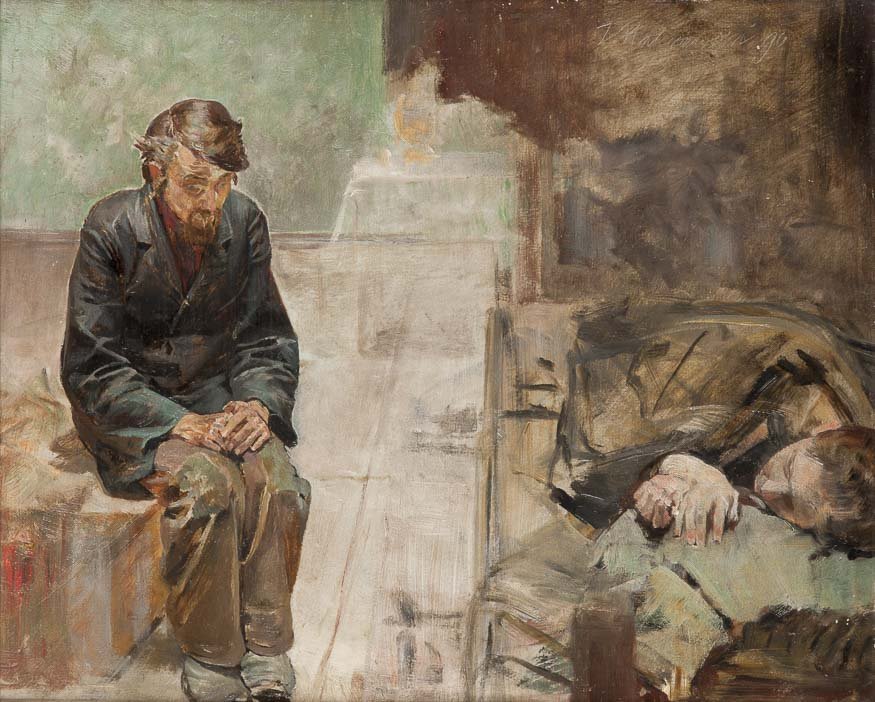
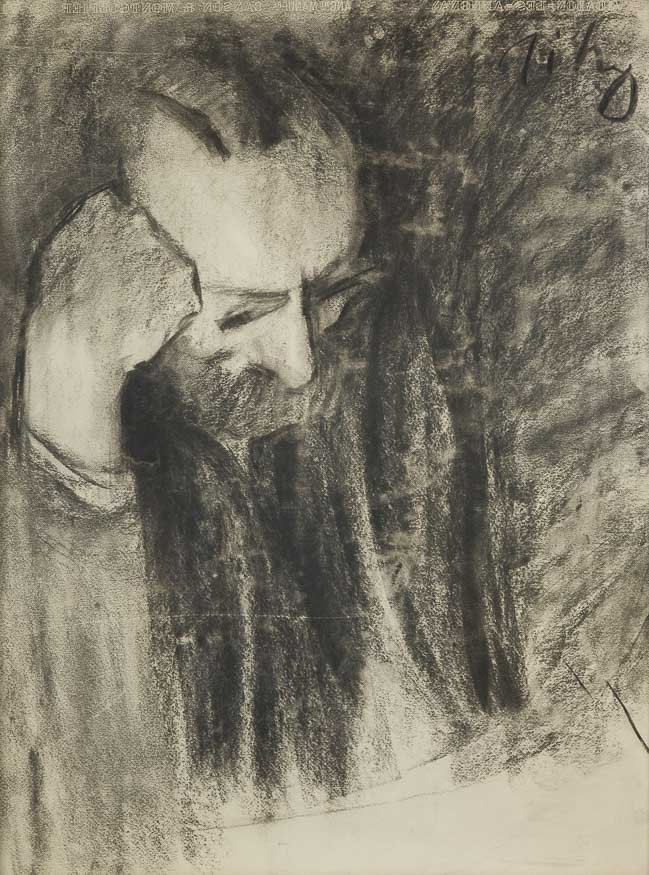
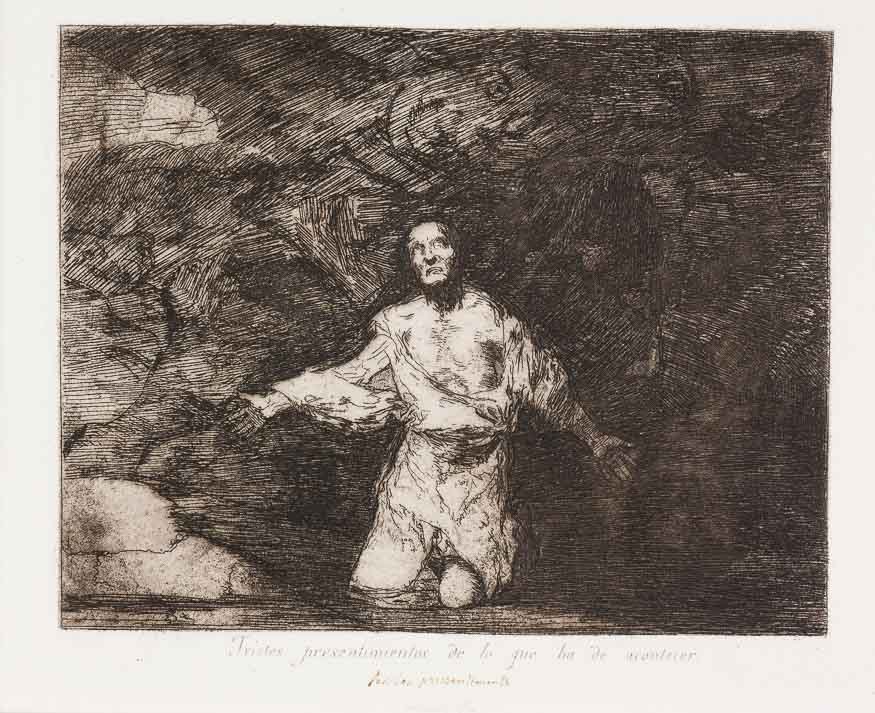
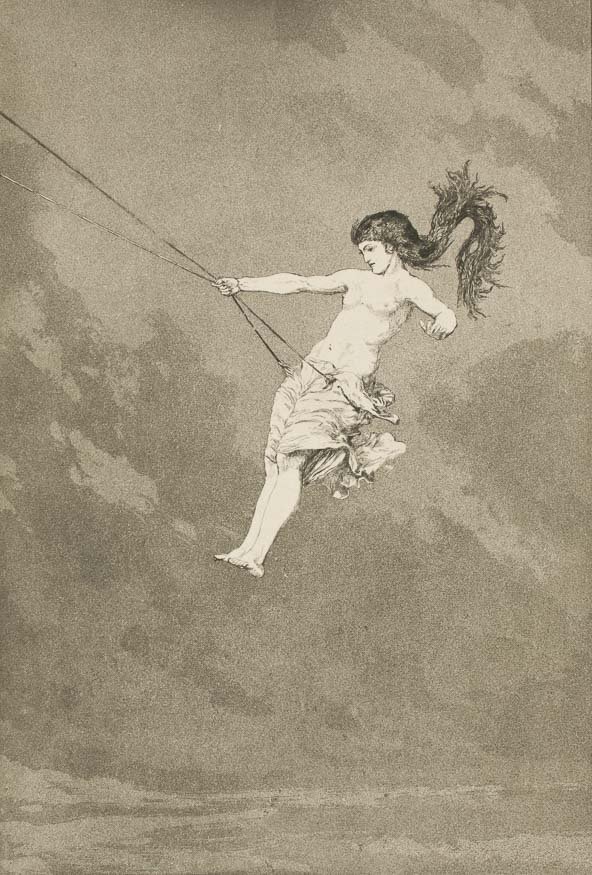
Numerous valuable exhibits from Jasieński’s collection are displayed in permanent galleries of the National Museum: in the Sukiennice’s Gallery of 19th-Century Polish Art, in the Gallery of 20th and 21st-Century Polish Art, Gallery of Decorative Arts and Gallery ‘Arms and Uniforms in Poland’ in the Main Building, as well as in the Józef Mehoffer House and formerly even in the Gallery of Western European Painting of the Princes Czartoryski Museum.
 MNK Szołayscy
pl. Szczepański 9, 31-011 Kraków