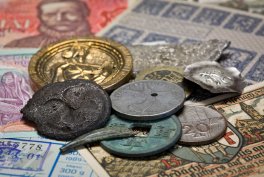
Evolution (Latin evolutio – unfolding, unrolling) refers to a slow, irreversible and directional process of development leading to greater diversity, complexity and perfection. This phenomenon can be observed not only in the world of live creatures. Collections (Latin colligere – gather into a whole), in particular museum collections, undergo a similar process. It is because unlike private collection they are characterised by the irreversibility and unidirectionality of the movement of objects making them up.
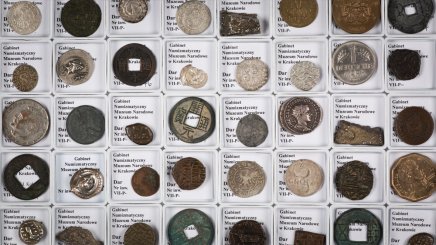
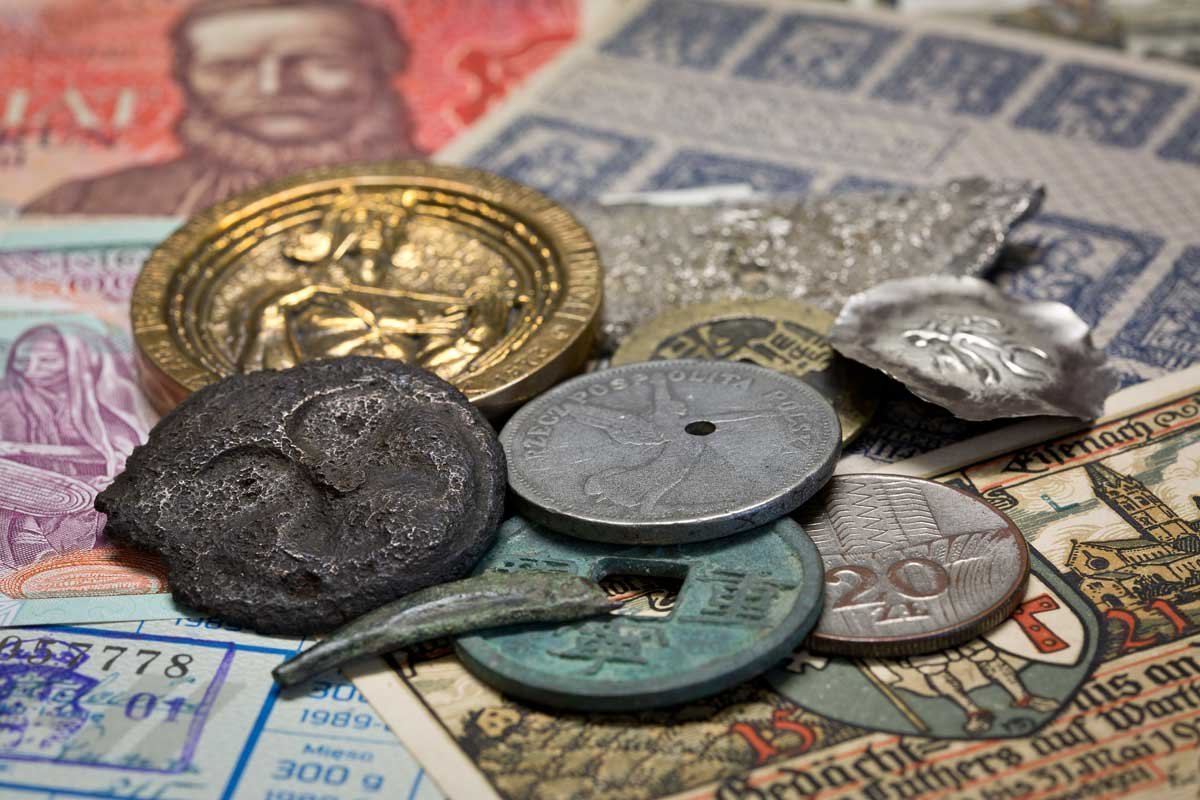
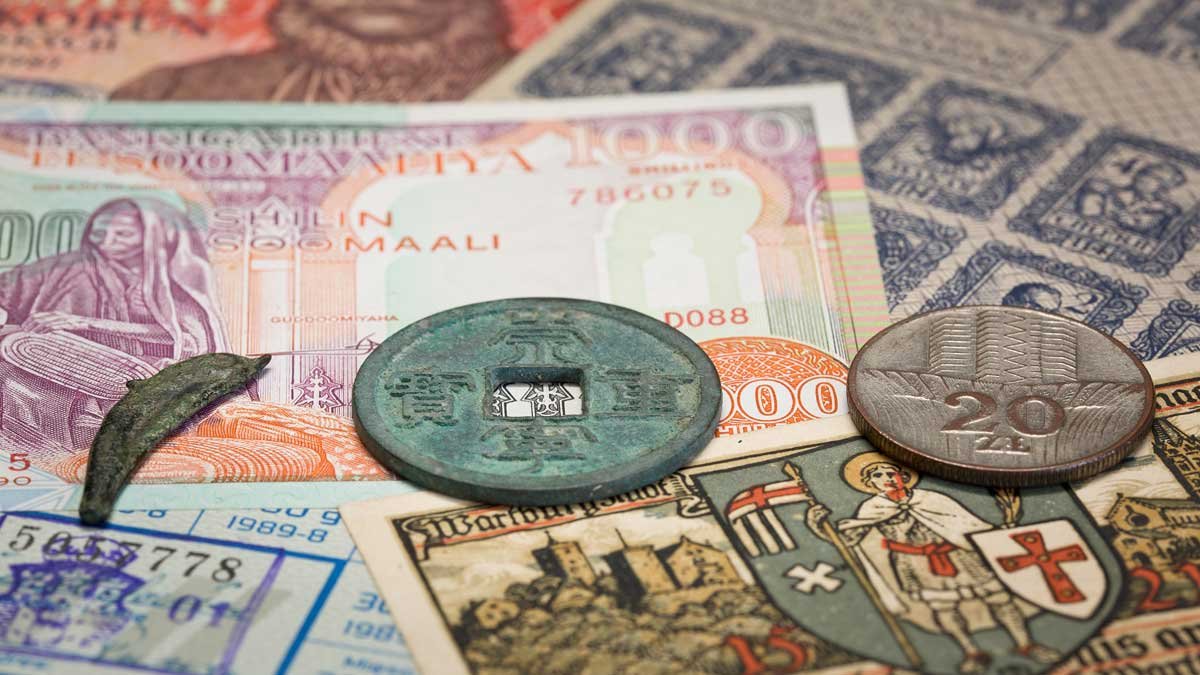
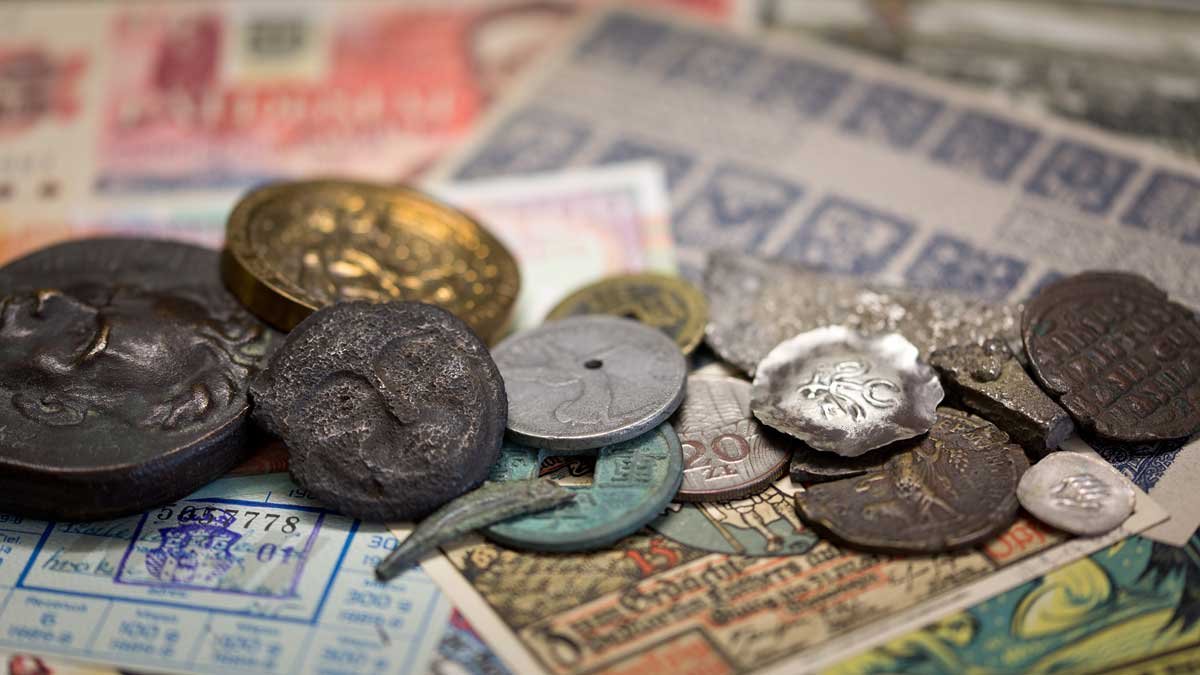
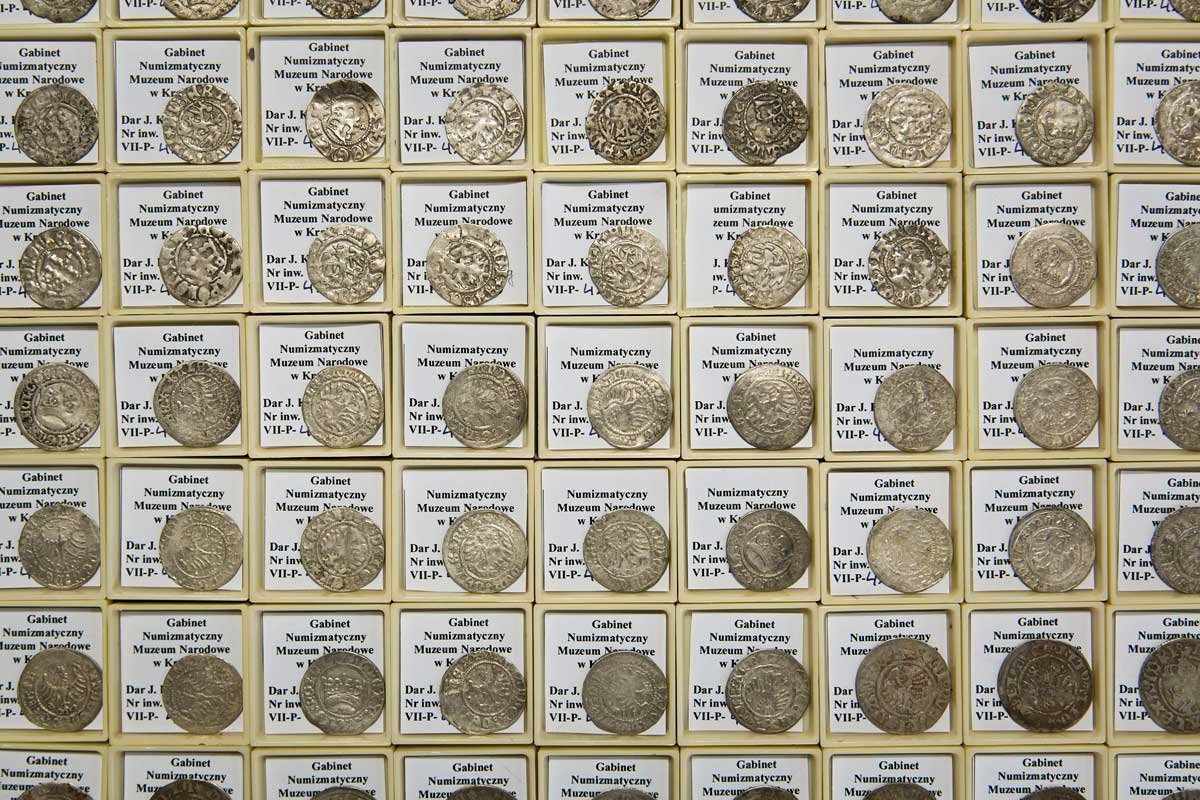
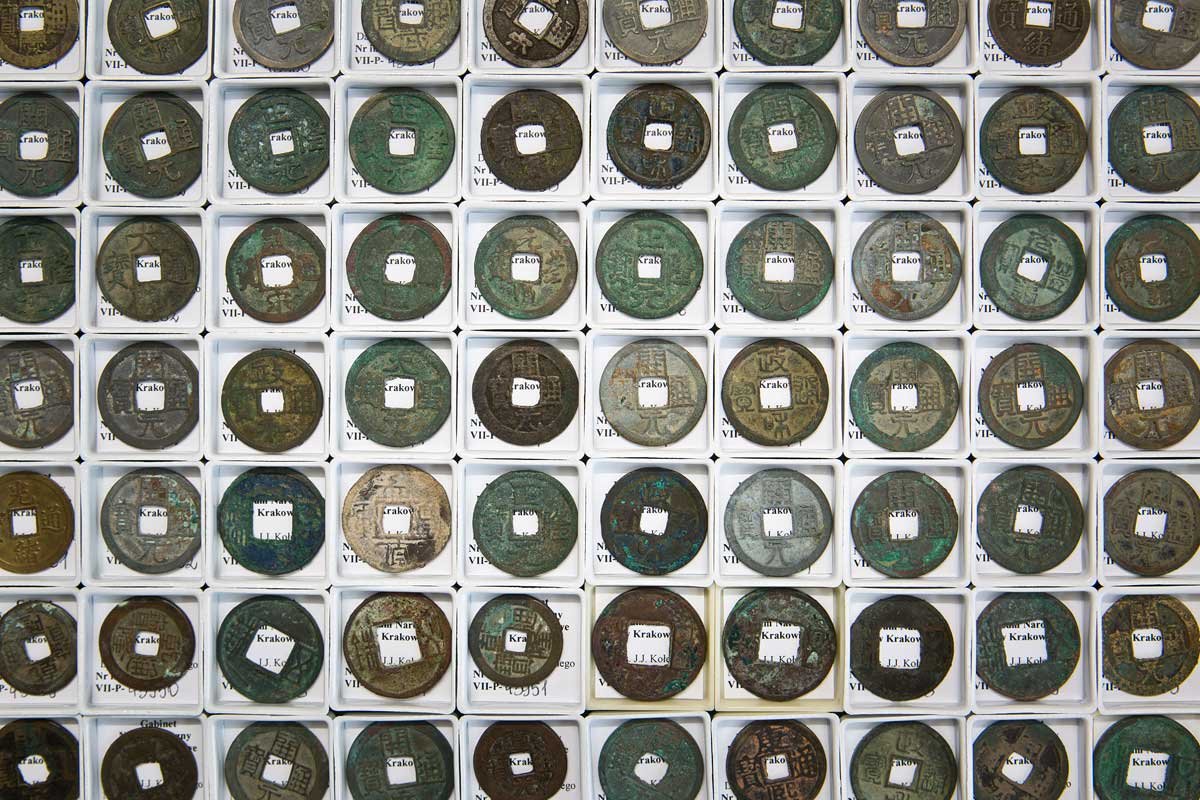
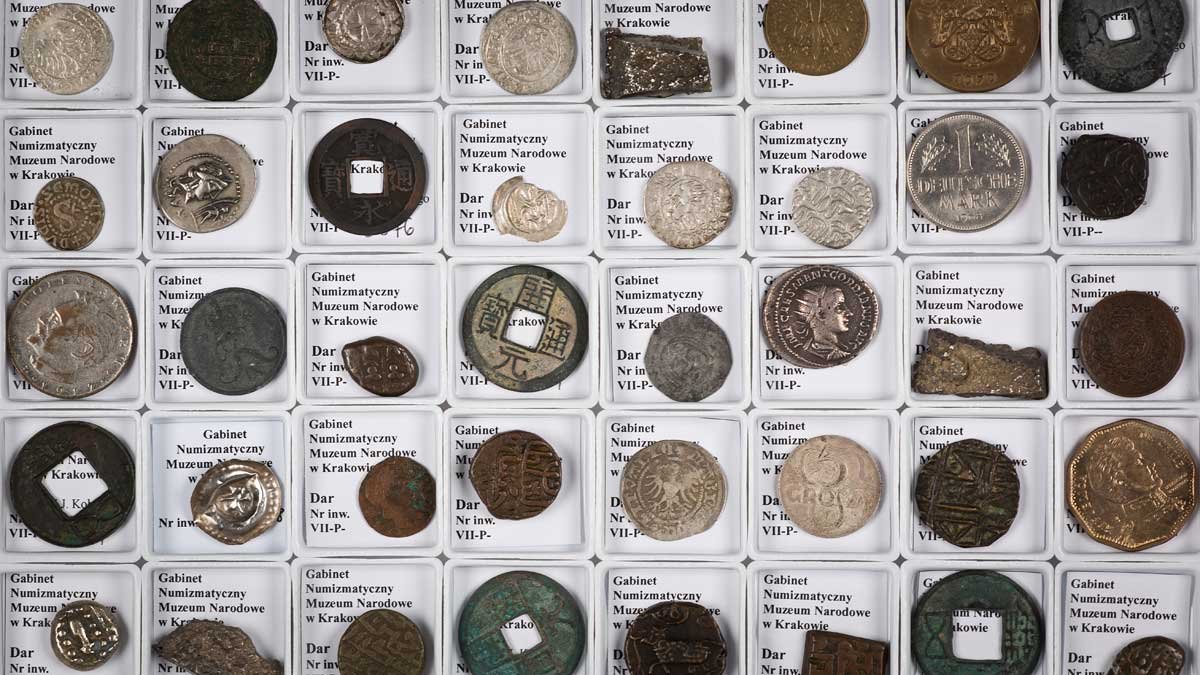
An excellent example of the above is the collection of the Numismatic Cabinet at the National Museum in Krakow, which is the only Polish assembly of this kind which not only survived, without considerable damage, all the turmoils of the 20th century but has also been constantly and dynamically developing. This growth, resulting in the evolution of the collection, is possible above all thanks to the continuous extraordinary generosity of donors. In the last 15 years almost 30,000 objects were added to the collection of the Numismatic Cabinet, which now contains over 112,000 items.
The present character, size and significance of the exhibition is the result of donations of both large sophisticated and specialised collections, numbering even thousands of items, and small groups of objects, sometimes even single pieces. The former not infrequently influenced the way the Numismatic Cabinet’s collection was developing. This was the case of the collection of Polish coinage and medals amassed by Emeryk Hutten-Czapski (1828–1896), containing some 11,000 items, presented to the National Museum in Krakow by the Czapski Family in 1903, and the collection of nearly 5,000 medieval coins belonging to Zygmunt Zakrzewski (1867–1951), donated by Jadwiga and Andrzej Kleczkowski in 1960. As a result of these generous gifts the collection of Polish coins and medals of the National Museum in Krakow is now the best worldwide. The donation made in 1946 by Karol Hallama (1871–1948), consisting of over 2,500 coins determined today’s quality of the collection of antique coins. No less important are smaller gifts, sometimes of single objects, as they sometimes fill gaps in large collections.
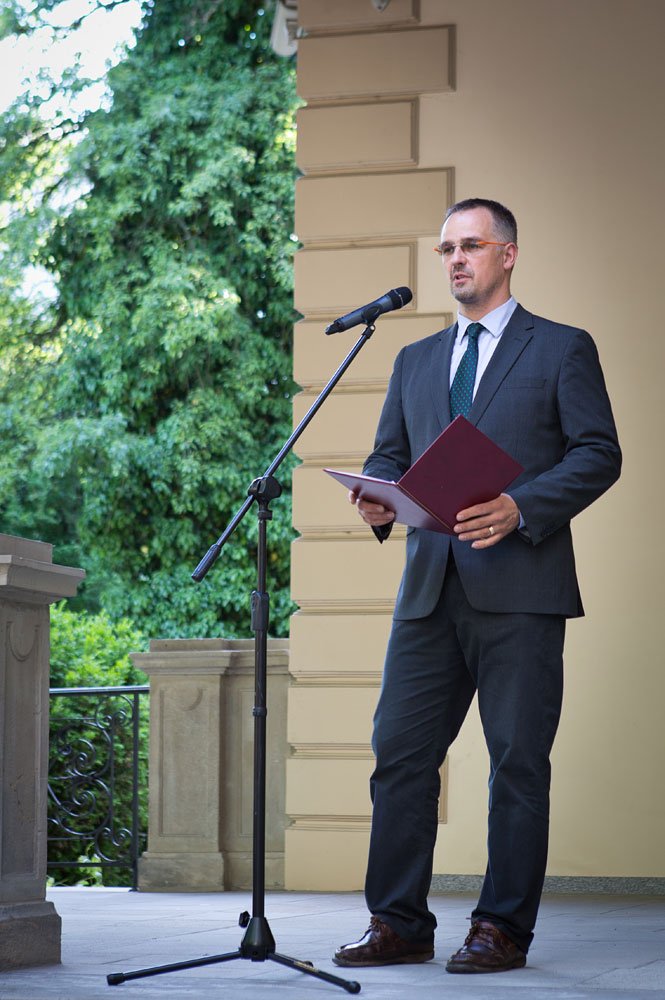
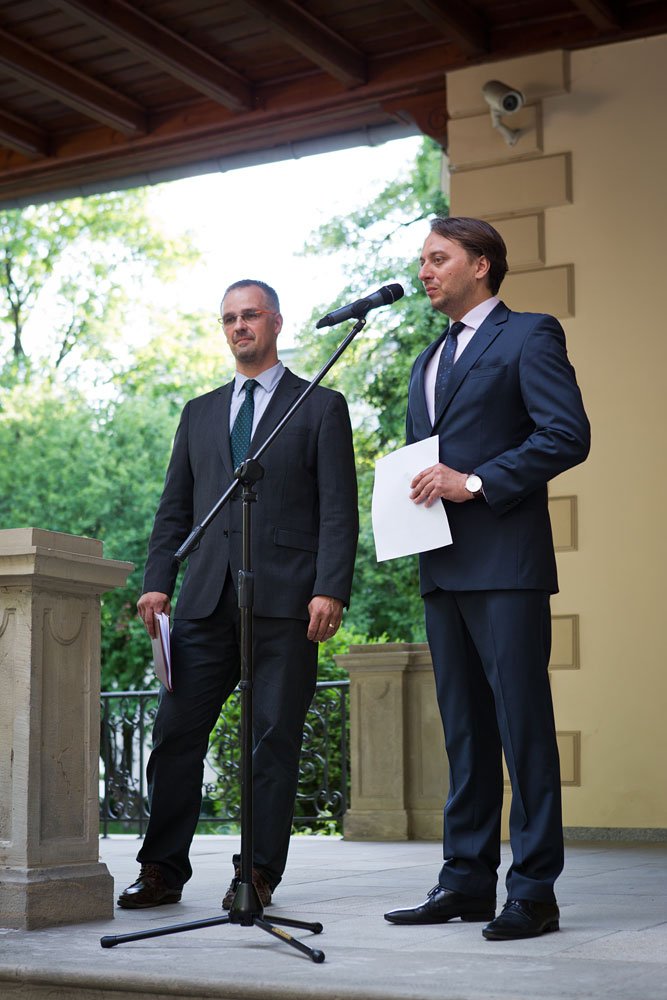
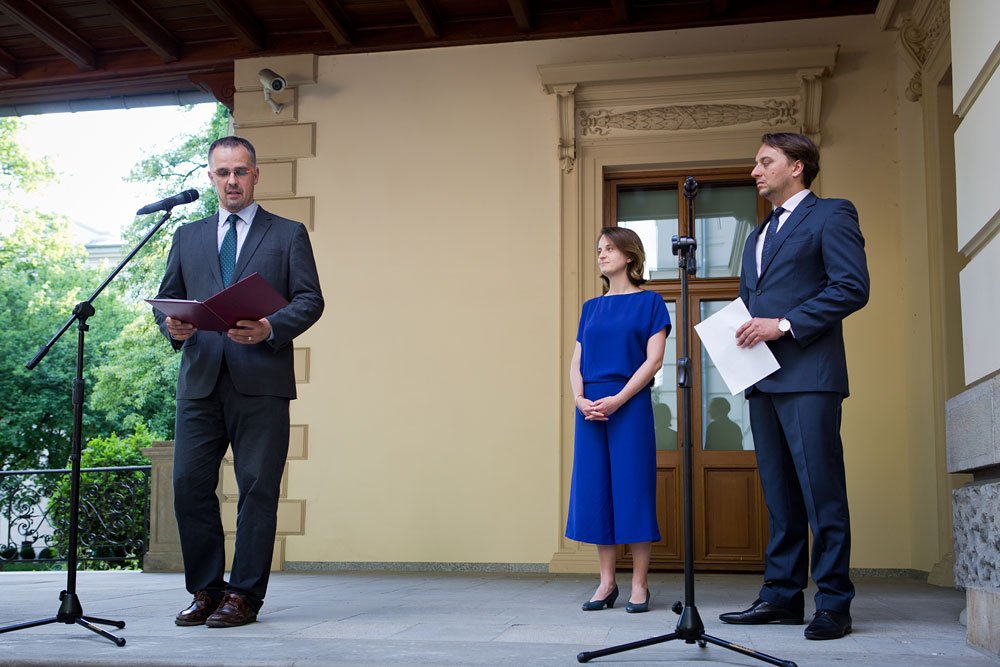
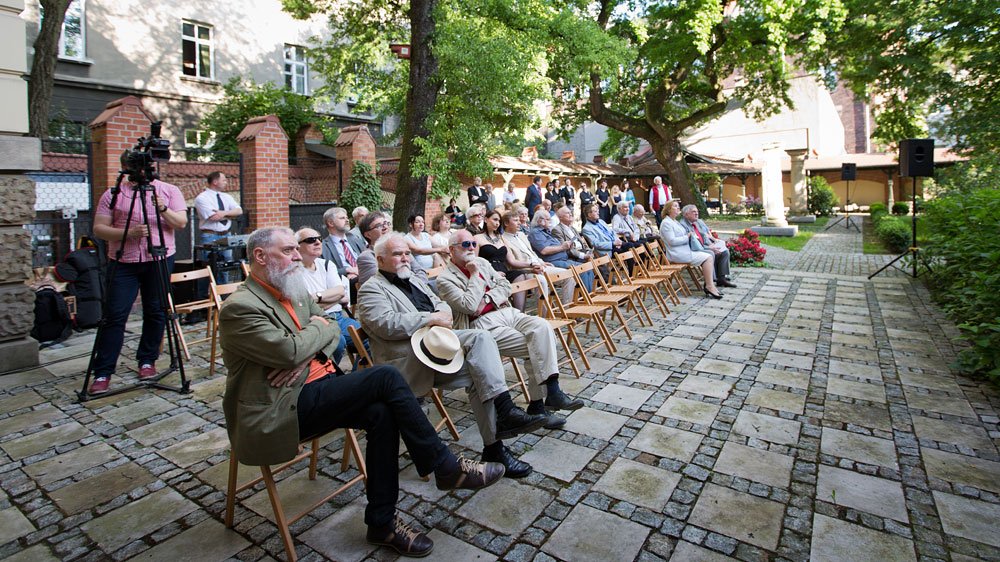
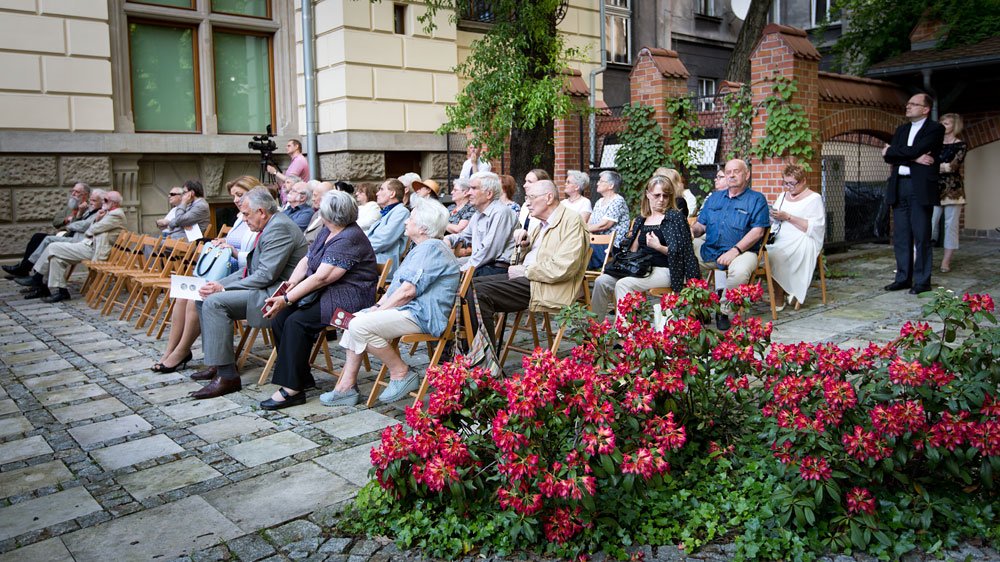
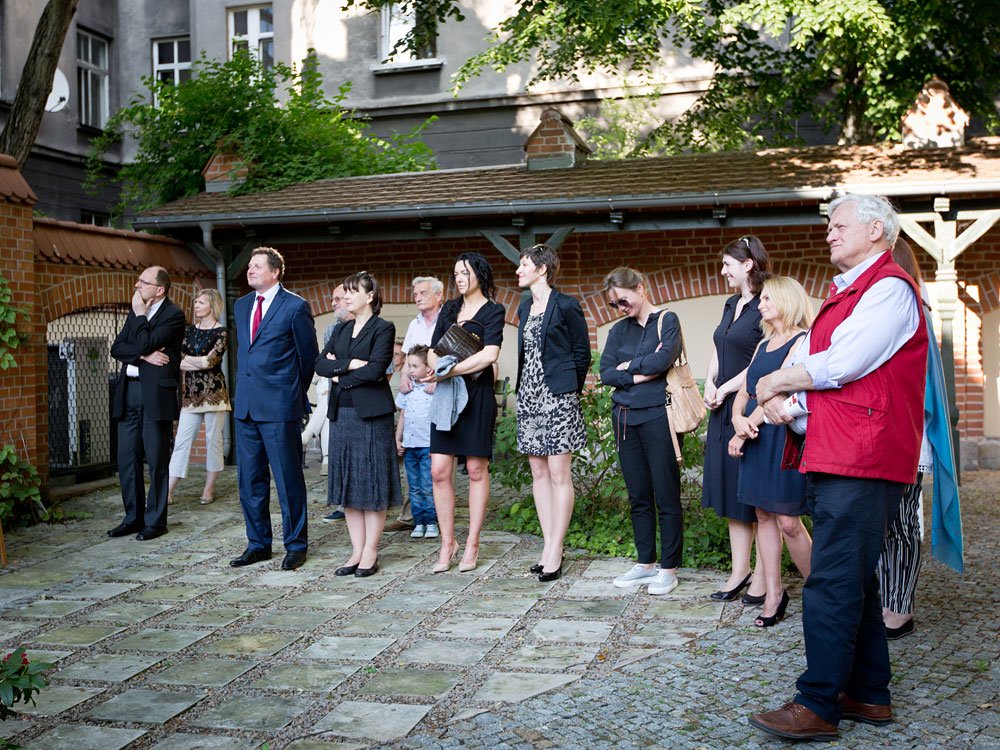
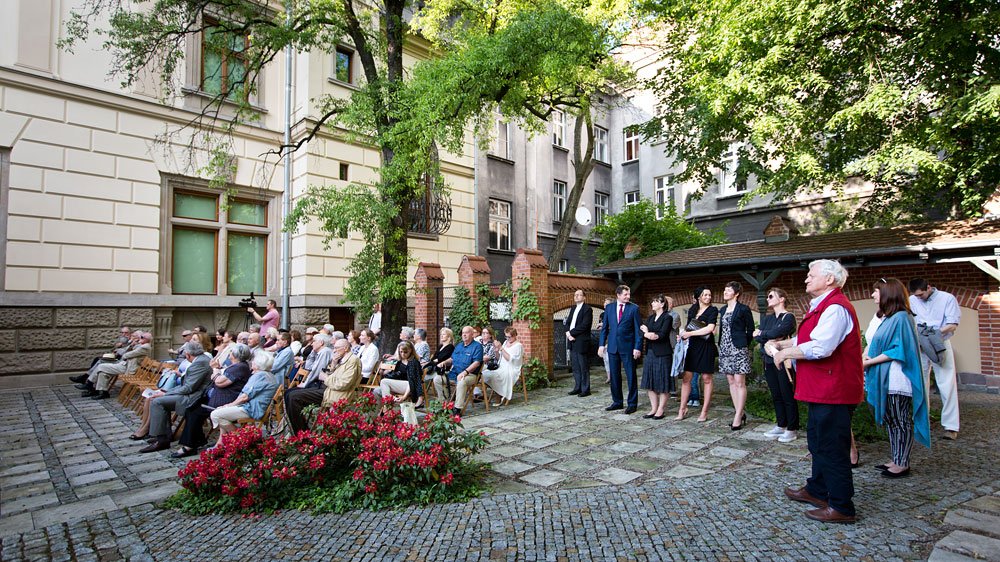
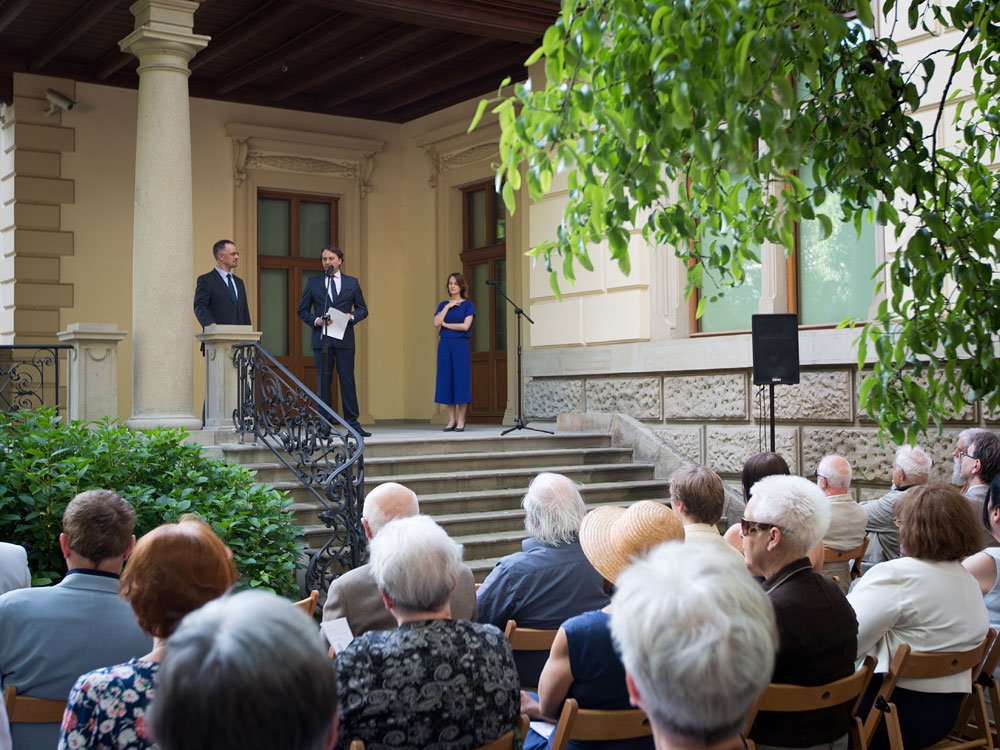
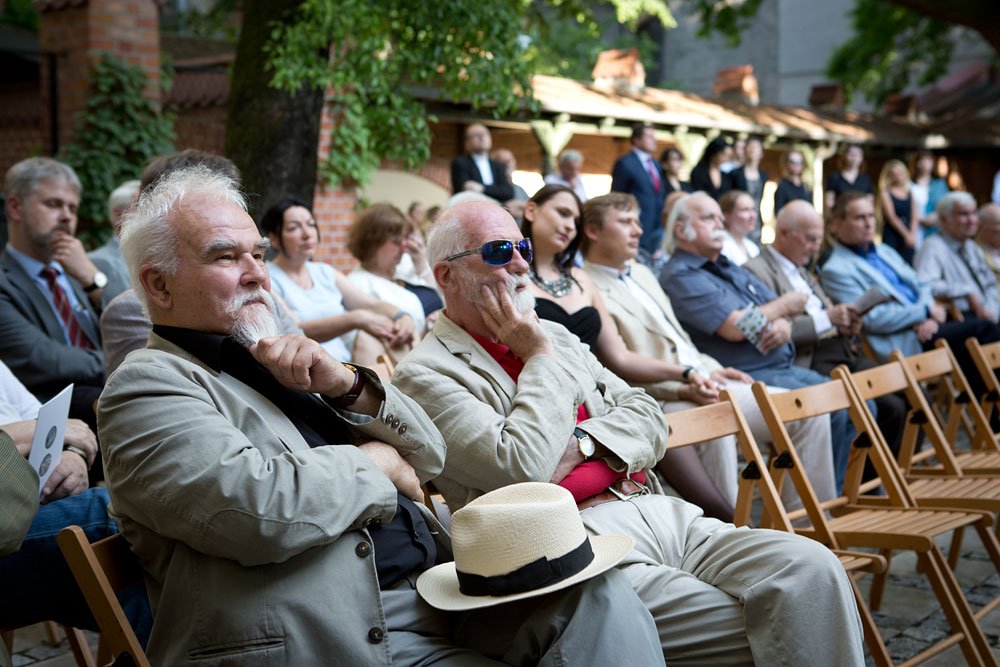
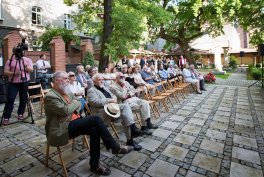
Paweł Orkisz – Zastępca Dyrektora ds. zarządzaniaMateusz Woźniak – kurator wystaw prezentowanych w Muzeum im. Emeryka Hutten-CzapskiegoUroczyste otwarcie odbyło się w ogrodzie Muzeum Czapskich
Czapscy
ul. Piłsudskiego 12, 31-109 Kraków
The information provided in this form will be used solely to deliver updates and personalize the newsletter.
Follow us on social media!
Welcome to a world full of inspiration! Follow our social media and see what we've prepared especially for you!






 Czapscy